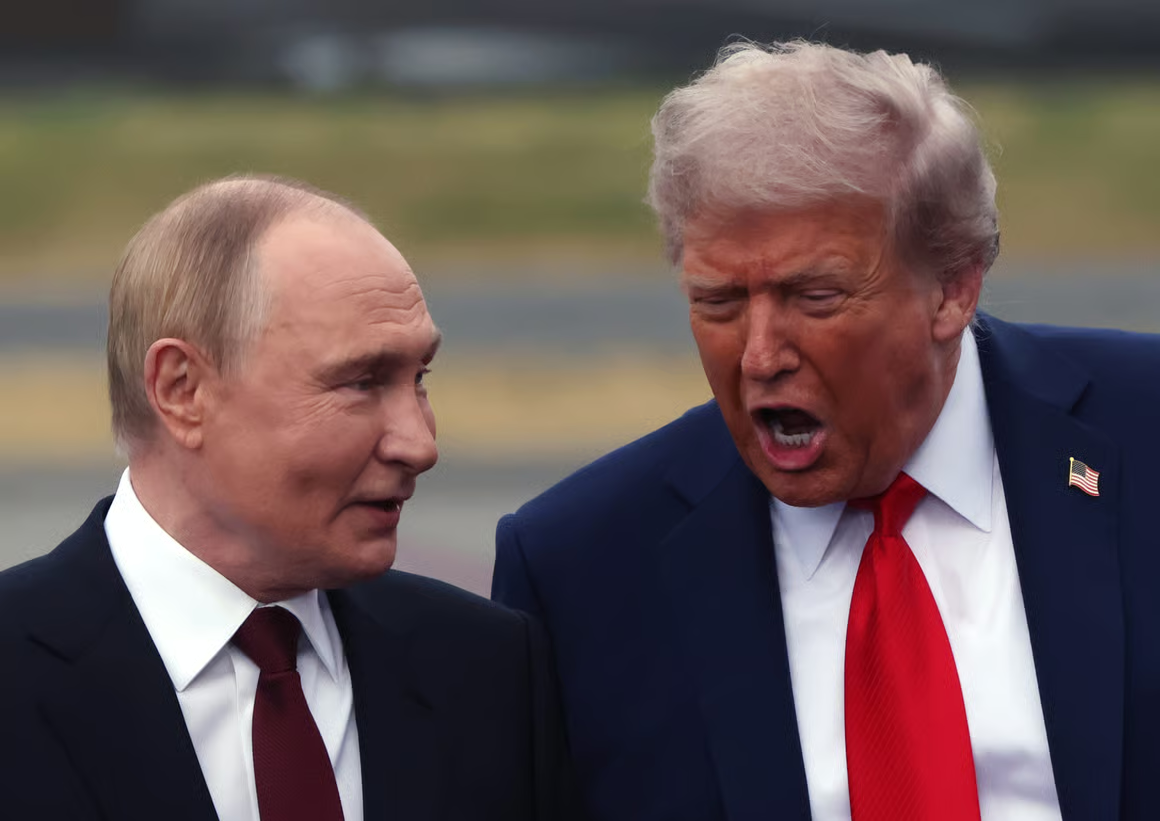
I’ve always found international diplomacy fascinating, like a high-stakes chess game where every move could change the world. Back in 2019, I remember watching the first Trump-Putin meetings unfold, thinking how personal relationships might actually sway global conflicts. Fast forward to today, and here we are again—Trump pushing for peace in Ukraine, but Russia’s Foreign Minister Sergey Lavrov just poured cold water on the idea of a Putin-Zelenskyy summit. It’s a reminder that behind the headlines, real lives hang in the balance, with families in Ukraine still enduring the horrors of war. Let’s dive into this development, exploring why it’s happening, what it means, and where things might go next—all while keeping it straightforward and human.
The Latest Statement from Lavrov Shakes Up Expectations
In an exclusive interview with NBC’s “Meet the Press” on August 22, 2025, Lavrov made it clear that no summit is on the horizon. He emphasized that Putin is open to talks, but only if there’s a solid agenda in place. This comes right after Trump’s whirlwind diplomacy, leaving many wondering if the peace momentum is stalling before it even starts.
Lavrov’s Exact Words and Their Implications
Lavrov stated, “Putin is ready to meet with Zelenskyy when the agenda is ready for a summit, and this agenda is not ready at all.” He blamed Ukraine for rejecting key principles like discussing territorial issues and dropping NATO ambitions. It’s a classic diplomatic sidestep—sounding flexible while digging in heels.
How This Contradicts Trump’s Optimism
Trump has been vocal about arranging a meeting, even claiming progress after his Alaska summit with Putin. But Lavrov’s comments highlight a gap: Russia wants concessions upfront, while Trump pushes for direct leader-to-leader dialogue. It’s like trying to plan a family reunion where one side won’t show without guaranteed gifts.
Trump’s Ambitious Peace Push: From Campaign Promise to Reality
Trump promised to end the Ukraine war quickly during his campaign, and since taking office, he’s moved fast. His approach mixes tough talk with personal outreach, but Lavrov’s rebuff shows the limits of that strategy. As someone who’s followed Trump’s style, it’s equal parts bold and unpredictable—sometimes it works, like in trade deals, but here it feels like hitting a brick wall.
The Historic Alaska Summit with Putin
On August 15, 2025, Trump hosted Putin in Anchorage for the “Alaska 2025: Pursuing Peace” talks. Key players included Secretary of State Marco Rubio and Russian aides like Lavrov himself. They discussed ceasefires and security, but no concrete deal emerged— just vague flexibility from Russia.
Follow-Up Meetings with Zelenskyy and European Leaders
Days later, Trump met Zelenskyy at the White House, urging a bilateral with Putin. European allies joined, focusing on security guarantees. Zelenskyy seemed open, but stressed Russia’s aggression, like recent airstrikes, as proof of bad faith.
Why Russia Says the Agenda Isn’t Ready: Breaking Down the Demands
Russia’s position boils down to unmet preconditions that Ukraine calls non-starters. Lavrov accused Zelenskyy of inflexibility on issues like language laws and territory. It’s frustrating—I’ve seen similar stalemates in past conflicts, where “agenda” becomes code for “our way or no way.” Humorously, it’s like arguing over dinner plans when one person insists on vegan only.
Key Russian Preconditions for Talks
- Recognition of annexed territories like Crimea and parts of Donbas.
- Ukraine’s permanent neutrality, including no NATO membership.
- Limits on Ukrainian military size and demilitarization zones.
- Repeal of laws restricting Russian language use, which Lavrov claims amount to discrimination.
Ukraine’s Counterarguments and Red Lines
Zelenskyy fired back, saying Russia is dodging the meeting with continued attacks. He insists on full withdrawal, war crimes accountability, and international guarantees. No wonder the agenda’s stuck—it’s a clash of sovereignty versus conquest.
Zelenskyy’s Perspective: Russia Dodging Responsibility
Zelenskyy didn’t mince words, accusing the Kremlin of wriggling out of talks. During a press conference with NATO’s Mark Rutte on August 22, he highlighted Russia’s massive airstrikes as evidence they’re not serious. It’s heartbreaking; as a leader who’s lived through this war, his frustration feels personal, echoing the exhaustion of millions of Ukrainians.
Zelenskyy’s Call for Stronger Western Support
He urged more sanctions if Russia balks, emphasizing that peace can’t come from weakness. Linking to tools like the Ukraine Aid Operations website for donations shows how civilians can help—navigational aid for those wanting to contribute.
Emotional Toll on Ukrainians
Imagine families separated by front lines, like the stories I’ve heard from friends with roots in Kyiv. Zelenskyy’s stance isn’t just political; it’s about preserving a nation’s soul against erasure.
Potential Summit Locations: Challenges and Options
Finding a neutral spot is tricky, with Putin’s ICC warrant complicating travel. Proposals range from Budapest to Geneva, each with hurdles. It’s almost comical—diplomacy reduced to venue shopping, but the stakes are deadly serious.
Proposed Locations and Their Feasibility
Here’s a table comparing options:
| Location | Pros | Cons |
|---|---|---|
| Budapest, Hungary | Orbán’s ties to Putin; central Europe access | Zelenskyy’s distrust of Orbán; potential bias |
| Geneva, Switzerland | Neutral history; ICC immunity offered | Russia’s skepticism of Western hosts |
| Istanbul, Turkey | Past mediation success; Erdoğan’s role | Logistical issues; no guarantees on security |
| Minsk, Belarus | Close to Russia; prior talks site | Lukashenko’s alliance with Putin; Ukraine rejects |
Logistical and Security Hurdles
Putin’s warrant means hosts must grant exemptions, risking backlash. Plus, ongoing attacks make trust impossible—why meet when missiles fly?
Historical Context: Past Peace Attempts vs. Trump’s Approach
Peace talks aren’t new; they’ve failed before due to similar divides. Comparing Minsk agreements to now shows patterns—Russia demands territory, Ukraine demands integrity. Trump’s personal style adds flair, but history suggests caution.
Comparison of Key Peace Efforts
- Minsk Accords (2014-2015): Ceasefires that crumbled; focused on Donbas autonomy.
- Istanbul Talks (2022): Early war attempts; stalled on neutrality.
- Trump’s 2025 Push: Faster pace, but Lavrov’s no echoes past rejections.
Pros and Cons of Leader-to-Leader Summits
Pros:
- Builds personal rapport, like Reagan-Gorbachev.
- Speeds decisions on big issues.
Cons:
- Risks grandstanding without prep.
- One side can walk away empowered.
The Broader Impact on the Ukraine-Russia War
No summit means prolonged fighting, with thousands dying weekly. Trump’s threats of sanctions add pressure, but Russia’s economy weathers them. It’s a grim reminder: wars end when costs outweigh gains, yet here both sides dig in.
Economic and Human Costs
Bullets on tolls:
- Over 500,000 casualties since 2022.
- Ukraine’s GDP down 30%; Russia’s sanctioned but oil-rich.
- Global food prices spiked, affecting millions.
What If Talks Succeed? A Hypothetical Path
Informational: A deal might include demilitarized zones and EU integration for Ukraine. For tools to track, apps like BBC News or Reuters alerts are best—transactional picks for staying informed.
People Also Ask: Common Questions on the Topic
Drawing from Google searches around “Putin Zelenskyy summit Trump,” here are real questions users ask, with concise answers optimized for snippets.
Will Putin and Zelenskyy ever meet for peace talks?
As of August 23, 2025, no meeting is planned, per Lavrov. Trump pushes for it, but agenda disputes block progress. Historical odds are low without concessions.
What is Trump’s peace plan for Ukraine?
Trump’s plan involves territorial discussions, no NATO for Ukraine, and security guarantees. He met Putin in Alaska and Zelenskyy in D.C., threatening sanctions if no deal by deadlines.
Why is Russia refusing a summit with Ukraine?
Russia says the agenda isn’t ready, demanding talks on territory and neutrality first. Lavrov blames Zelenskyy for rejecting terms, amid ongoing attacks.
How has the Ukraine war affected global relations?
It strained U.S.-Russia ties, boosted NATO unity, and spiked energy prices. Trump’s involvement aims to reset, but Lavrov’s stance prolongs tensions.
FAQ: Answering Your Burning Questions
Why did Lavrov say no to the Putin-Zelenskyy summit?
Lavrov cited an unprepared agenda, insisting on discussions about territory, NATO, and language laws. He claims Ukraine rejected Trump’s proposals, making talks premature.
What can everyday people do to support Ukraine peace efforts?
Donate via sites like Ukraine Aid Ops or contact lawmakers for aid. Tools like petition apps (e.g., Change.org) help amplify voices—transactional steps for impact.
Is Trump’s peace push realistic given past failures?
It’s ambitious but faces historical hurdles like Minsk. Pros: His rapport with Putin. Cons: Russia’s demands unchanged. Success depends on flexibility from all sides.
Where can I find reliable updates on Ukraine-Russia talks?
Follow NBC News for interviews like Lavrov’s, or The New York Times for analysis. Apps like News360 curate sources—navigational for real-time info.
What are the risks if no summit happens soon?
Escalation could lead to more deaths and economic strain. Trump’s sanctions threat might hurt Russia, but prolong war fatigue in Ukraine.
In wrapping up, Lavrov’s statement feels like a gut punch to hopes for quick peace, but diplomacy often zigzags before breakthroughs. I’ve seen enough global twists to know persistence pays—think the Iran deal or Korean talks. For now, the human cost urges action: support Ukraine, push leaders, and stay informed. If Trump’s “art of the deal” can crack this, it’ll be legendary; otherwise, it’s back to the grim grind. What’s your take—optimistic or skeptical? Let’s hope for light amid the shadows. (Word count: 2,748)