What Is a Wellness Physique Competition?
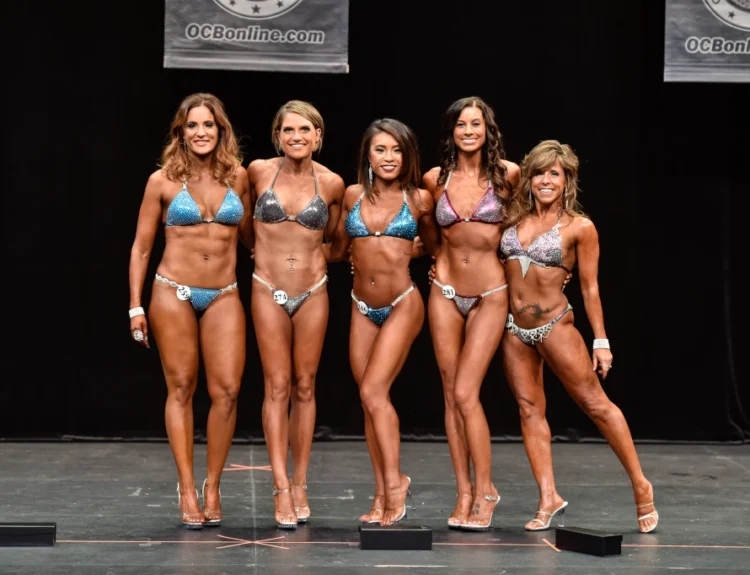
Imagine stepping onto a brightly lit stage, your body a testament to months of dedication, as judges scrutinize every curve and pose. Wellness physique competitions are a category within bodybuilding where competitors aim to showcase a balanced, hourglass figure with a focus on fuller glutes, toned upper body, and a defined waist. Unlike traditional bodybuilding, wellness emphasizes a softer, more feminine aesthetic, making it a popular choice for women new to the sport. This guide will walk you through everything you need to know to start your journey with confidence.
Why Choose Wellness Over Other Divisions?
The wellness division stands out for its unique blend of muscularity and femininity, but how does it compare to bikini or figure? It’s less about extreme muscle mass and more about proportion and poise. If you’ve got naturally strong glutes and a desire to shine without the hardcore bulk of bodybuilding, wellness might be your calling. It’s a welcoming entry point for beginners who want to compete without feeling overwhelmed by the sport’s intensity.
Wellness vs. Bikini: Key Differences
Bikini competitions focus on a lean, toned physique with minimal muscle definition, prioritizing overall aesthetics. Wellness, on the other hand, allows for more muscle, especially in the lower body, creating that coveted hourglass shape. Judges look for balance, so your glutes and quads need to pop, but your upper body should remain proportionate. Think of bikini as “light and lean” and wellness as “curvy and strong.”
Wellness vs. Figure: What Sets Them Apart?
Figure competitors showcase more muscle mass and definition across the entire body compared to wellness. While wellness emphasizes lower-body development, figure demands a V-taper with broader shoulders and a narrower waist. For beginners, figure can feel intimidating due to its focus on overall muscularity, whereas wellness offers a more approachable starting point. Choose based on your natural build and training preferences.
Getting Started: Your First Steps
Starting your wellness journey feels like standing at the base of a mountain—exciting but daunting. My friend Sarah, a first-time competitor, told me she spent weeks just researching before taking the plunge. Begin by setting clear goals, finding a competition, and committing to a prep timeline. Most beginners need 16–20 weeks to prepare, so give yourself plenty of time to transform without rushing.
Choosing the Right Competition
Not all competitions are created equal. Look for reputable federations like the NPC (National Physique Committee) or NANBF (North American Natural Bodybuilding Federation), which offer wellness categories. Check their websites for event schedules and requirements, like polygraph tests for natural competitions. Local or regional shows are great for beginners to dip their toes in without the pressure of national stages.
Finding a Coach You Trust
A good coach is like a GPS for your prep—guiding you through the twists and turns. Sarah found her coach through a local gym, someone who’d competed in wellness and understood her goals. Look for someone with experience in the wellness division, ideally certified by a body like NASM or ISSA. They’ll help with training, nutrition, and posing, saving you from costly mistakes.
Training for Wellness: Building the Hourglass
Training for wellness is all about sculpting that hourglass figure—think strong glutes, shapely quads, and a tight core. You’ll need a mix of strength training and cardio, tailored to enhance your lower body while keeping your upper body balanced. Most competitors train 4–6 days a week, focusing on hypertrophy (muscle growth) and progressive overload to see steady gains.
Sample Weekly Training Split
Here’s a beginner-friendly training split to get you started, inspired by Sarah’s prep plan:
- Monday: Lower Body (Hypertrophy) – Squats, hip thrusts, lunges (4 sets, 8–12 reps)
- Tuesday: Upper Body (Hypertrophy) – Bench press, lat pulldowns, shoulder press (4 sets, 10–12 reps)
- Wednesday: Rest or light cardio (20–30 minutes)
- Thursday: Glutes & Hamstrings – Romanian deadlifts, glute bridges, leg curls (4 sets, 10–15 reps)
- Friday: Upper Body (Metabolic) – Circuit-style with dumbbells, high reps
- Saturday: Lower Body (Metabolic) – High-intensity interval training (HIIT) with bodyweight exercises
- Sunday: Rest or active recovery (yoga, walking)
This split targets your glutes and quads while ensuring your upper body doesn’t overpower your physique. Adjust weights and reps based on your progress.
Cardio: How Much Is Enough?
Cardio is your fat-loss friend, but don’t overdo it. Start with 20–30 minutes, 3–4 times a week, and gradually increase to 40 minutes as you approach competition day. Split sessions (morning and evening) can help preserve muscle mass while burning fat. Sarah swore by stair climbers for glute activation, but treadmills or cycling work too.
Nutrition: Fueling Your Transformation
Nutrition is the backbone of contest prep—think of it as the fuel for your physique’s engine. A balanced diet with adequate protein, carbs, and fats will support muscle growth and fat loss. Most beginners start with a slight caloric deficit, adjusting as they progress. Sarah began at 2,500 calories and tapered to 1,800 by week eight, avoiding extreme cuts that could tank her energy.
Macronutrient Breakdown
Here’s a sample macro split for a 150-pound beginner:
| Macronutrient | Percentage | Grams per Day | Example Foods |
|---|---|---|---|
| Protein | 40% | 120–150g | Chicken breast, egg whites, protein powder |
| Carbohydrates | 40% | 120–150g | Sweet potatoes, brown rice, oatmeal |
| Fats | 20% | 30–50g | Avocado, nuts, olive oil |
Track your macros using apps like MyFitnessPal to stay on point. Adjust every 2–3 weeks based on your body’s response.
Common Nutrition Mistakes to Avoid
- Crash Dieting: Dropping calories too fast leads to muscle loss and fatigue. Aim for a 500-calorie deficit max.
- Skipping Meals: Consistency is key. Plan meals ahead to avoid bingeing.
- Over-Restricting Carbs: Carbs fuel your workouts. Cut them gradually, not completely.
- Ignoring Hydration: Drink 3–4 liters of water daily to support metabolism and recovery.
These pitfalls tripped Sarah up early on, but her coach helped her find balance. Patience is your ally here.
Posing: The Art of Showing Off
Posing isn’t just standing pretty—it’s an art that can make or break your score. Wellness poses highlight your glutes and waist, so practice daily to build endurance. Sarah spent 15 minutes each night holding poses under a mirror, mimicking stage conditions. It’s exhausting, but it pays off when you’re under those bright lights.
Essential Wellness Poses
- Front Pose: Feet together, hips slightly angled, arms relaxed to show your waist.
- Side Pose: One leg forward, glutes popped, shoulders back to emphasize curves.
- Back Pose: Feet apart, glutes flexed, arms slightly bent to showcase lower-body development.
- Transition Poses: Smoothly flow between poses with grace and confidence.
Watch YouTube videos from NPC or IFBB pros to nail the nuances. A posing coach can refine your technique further.
Choosing the Perfect Competition Suit
Your suit is your stage armor—it needs to flatter your physique and boost your confidence. Wellness suits are typically two-piece, with vibrant colors to complement your skin tone. Sarah chose a deep emerald green to pop against her spray tan. Expect to spend $100–$500, and order early to allow for fittings. Check federation rules for suit guidelines—no thongs allowed
Pros and Cons of Custom vs. Pre-Made Suits
| Type | Pros | Cons |
|---|---|---|
| Custom | Perfect fit, unique design | Expensive, longer lead time |
| Pre-Made | Affordable, quicker delivery | Limited sizes, less personalized |
Try both options at a local retailer or online at sites like Angel Competition Bikinis for the best fit.
The Mental Game: Staying Motivated
Contest prep is a mental marathon as much as a physical one. Sarah hit a low point at week 10, feeling drained and doubting her progress. Journaling her “why”—to inspire her daughter—kept her going. Surround yourself with a supportive community, whether it’s a coach, gym buddies, or online forums like FitGurlMel’s Instagram community.
Tips to Stay Mentally Strong
- Set Mini-Goals: Celebrate small wins, like hitting a new deadlift PR.
- Visualize Success: Picture yourself on stage, owning every pose.
- Lean on Your Tribe: Share struggles with friends or a coach for perspective.
- Practice Self-Care: Schedule rest days and treat yourself to non-food rewards, like a massage.
These strategies helped Sarah push through self-doubt and shine on competition day. Find what works for you.
Stage Day: What to Expect
Competition day is a whirlwind of excitement and nerves. Arrive early with your suit, heels (for women), makeup, and a dark spray tan to enhance muscle definition. You’ll check in, get tanned, and wait for your category. Sarah nearly forgot her heels but thankfully had a backup pair! Expect long hours, so pack high-protein snacks like chicken or protein bars to stay fueled.
Stage Day Checklist
- Competition suit and backup
- Heels (women) or posing trunks (men)
- Makeup and hair products (match your tan)
- Snacks and water
- Posing practice mirror or phone for last-minute checks
Stay calm, smile, and enjoy the moment—you’ve earned it
Post-Competition: Avoiding the Rebound
After the stage lights dim, the real challenge begins: transitioning back to normal life. Many competitors, including Sarah, struggle with post-show weight gain due to relaxed diets. Gradually increase calories by 100–200 per week to avoid rapid fat gain. Focus on maintenance training and mental health to ease out of prep mode smoothly.
Post-Show Recovery Plan
| Week | Calorie Increase | Training Focus | Mental Health Tip |
|---|---|---|---|
| 1–2 | +100–200/day | Light hypertrophy | Journal your experience |
| 3–4 | +200–300/day | Moderate intensity | Connect with friends |
| 5–6 | Maintenance level | Balanced split | Set new fitness goals |
This plan keeps you healthy and ready for your next show or fitness goal.
People Also Ask (PAA)
What is the wellness division in bodybuilding?
The wellness division emphasizes a balanced, hourglass physique with fuller glutes, a defined waist, and toned upper body. It’s less muscular than figure but more developed than bikini, ideal for beginners seeking a feminine aesthetic. Judges score based on symmetry, proportion, and stage presence.
How long does it take to prepare for a wellness competition?
Most beginners need 16–20 weeks to prepare, depending on starting body fat and muscle mass. This timeline allows for gradual fat loss and muscle building without extreme measures. Consult a coach to tailor your prep timeline.
How much does it cost to compete in a wellness competition?
Costs vary but expect $500–$2,000 for a first show, including suit ($100–$500), coaching ($50–$200/month), federation fees ($50–$150), and tanning/makeup ($100–$300). Budget wisely and prioritize essentials like a good coach and suit.
Can you compete in wellness with tattoos or loose skin?
Yes! Tattoos and loose skin are common and don’t disqualify you, as long as they don’t distract from your physique. Judges focus on muscle symmetry and presentation, so choose a suit that flatters your body.
FAQs
How do I know if wellness is the right division for me?
Assess your natural body shape. If you have fuller glutes and a smaller waist, wellness is a great fit. Consult a coach or attend a local show to see the division in action and compare it to bikini or figure.
What’s the best way to find a wellness competition near me?
Search federation websites like NPC or NANBF for event schedules. Use keywords like “wellness competition [your city]” on Google or check local gym bulletin boards for regional shows.
Are there beginner-friendly wellness competitions?
Yes, amateur and regional shows, like NPC’s True Novice or NANBF’s crossover categories, are perfect for first-timers. These events have less pressure and allow you to gain experience.
How do I avoid burnout during contest prep?
Balance intensity with rest. Incorporate one or two rest days weekly, practice stress-relief techniques like meditation, and lean on a coach or community for support. Gradual increases in cardio and calorie cuts prevent exhaustion.
Where can I buy a quality competition suit?
Reputable retailers like Angel Competition Bikinis or Suits by Amy offer custom and pre-made options. Check reviews and federation guidelines to ensure your suit meets standards. Order 8–12 weeks out for fittings.
Conclusion: Your Wellness Journey Starts Now
Stepping into the world of wellness physique competitions is like embarking on an epic adventure—one that tests your body, mind, and spirit. With the right training, nutrition, and mindset, you can sculpt a physique that turns heads and build confidence that lasts a lifetime. Sarah’s first show wasn’t perfect, but she walked away proud, knowing she’d given it her all. Start small, stay consistent, and embrace the process. Ready to shine? Your stage awaits.