The Amazon Rainforest, often called the “lungs of the Earth,” is a sprawling green wonderland that pulses with life. Spanning over 5.5 million square kilometers across nine South American countries, it’s home to an estimated 10% of the world’s known species. From stealthy predators to vibrant birds, the Amazon’s animals are as diverse as they are awe-inspiring. In this article, we’ll take you deep into the jungle to meet 21 incredible creatures, share their stories, and explore why they matter. Whether you’re planning a trip, studying biodiversity, or just curious, this guide will bring the Amazon’s wildlife to life.
Why the Amazon’s Wildlife Is So Unique
The Amazon’s unique climate—warm, humid, and lush—creates a perfect stage for evolution’s wildest experiments. Its dense forests, winding rivers, and flooded plains foster adaptations found nowhere else. But this biodiversity is under threat from deforestation and climate change, making every creature’s story a call to action.
A Biodiversity Hotspot Like No Other
Covering roughly 40% of South America, the Amazon hosts over 3 million species, with new ones discovered yearly. From tiny frogs to massive cats, each animal plays a role in this delicate ecosystem. Their survival depends on our choices, from sustainable travel to supporting conservation efforts.
Mammals of the Amazon: Power and Grace
The Amazon’s mammals range from elusive predators to playful river dwellers. Their adaptations to jungle life are nothing short of remarkable, blending strength, stealth, and smarts.
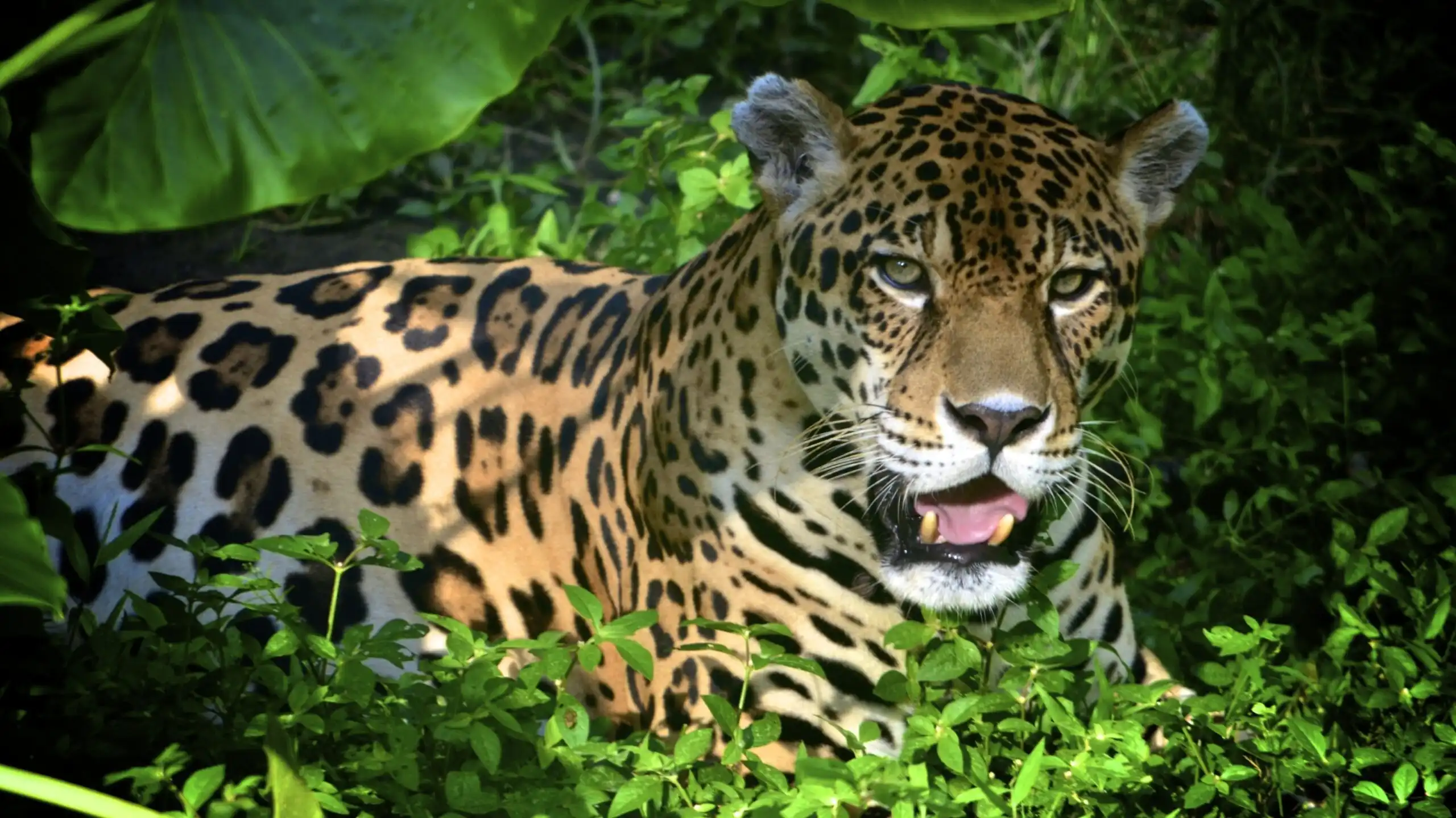
Jaguar: The Rainforest’s Apex Predator
The jaguar, the largest cat in the Americas, stalks the Amazon with unmatched power. Its spotted coat blends into the dappled forest shadows, and its skull-crushing bite can take down caimans and turtles. Revered in Indigenous cultures, jaguars face habitat loss, making conservation critical.
Amazon River Dolphin: The Pink Enigma
Known as the pink river dolphin, this freshwater marvel navigates murky waters with echolocation. Its vibrant hue deepens with age, and its flexible neck helps it weave through flooded forests. Sadly, pollution and fishing gear threaten its survival.
Capybara: The World’s Largest Rodent
Capybaras, resembling oversized guinea pigs, thrive along Amazon riverbanks. These social animals live in groups, using webbed feet to swim gracefully. As prey for jaguars and caimans, they’re vital to the food web.
Howler Monkey: The Voice of the Jungle
Howler monkeys’ roars echo up to three miles, thanks to specialized vocal cords. Living in canopy troops, they munch on leaves and fruits, aiding seed dispersal. Their calls are a morning wake-up for any jungle traveler.
Pygmy Marmoset: The Tiny Tree-Dweller
The world’s smallest monkey, the pygmy marmoset, weighs just 100 grams. It scurries along tree trunks, sipping sap and nibbling insects. Its size makes it a target for predators, so it relies on agility and group living.
Giant Anteater: The Insect Vacuum
With a tongue stretching two feet, the giant anteater devours 30,000 insects daily. Its long snout and claws tear open termite mounds with ease. Despite its size, it’s shy, slipping through the underbrush unnoticed.
Spectacled Bear: The Gentle Giant
The Amazon’s only bear, the spectacled bear, sports distinctive eye markings. It climbs trees for fruits and honey, thriving in diverse habitats. Its elusive nature makes sightings a rare treat for eco-tourists.
Birds of the Amazon: A Symphony of Color
The Amazon’s birdlife is a dazzling display of feathers and song. From mighty raptors to flamboyant parrots, these creatures rule the skies and canopy.
Harpy Eagle: The Sky’s Fiercest Hunter
With a wingspan up to seven feet, the harpy eagle snatches monkeys and sloths with grizzly-bear-sized talons. It nests high in the canopy, a symbol of raw power. Habitat loss makes it a conservation priority.
Scarlet Macaw: The Rainforest Rainbow
Scarlet macaws paint the sky with red, blue, and yellow feathers. Their strong beaks crack nuts, and their flocks disperse seeds, shaping the forest. Their long lives—up to 75 years—make them enduring icons.
Hoatzin: The Stinkbird Oddity
Nicknamed the “stinkbird” for its cow-like digestion, the hoatzin ferments leaves in its gut. Its chicks sport wing claws, a prehistoric trait. Spotting one feels like stepping back in time.
Amazonian Umbrella Bird: The Canopy Crooner
With a crest like a gothic crown, the umbrella bird’s booming calls resonate through the forest. Males inflate a throat wattle to serenade mates. Its rarity adds mystery to every encounter.
Reptiles and Amphibians: Masters of Adaptation
The Amazon’s reptiles and amphibians thrive in its humid, leafy depths. Their survival strategies are as varied as the forest itself.
Green Anaconda: The Heavyweight Serpent
The green anaconda, the world’s heaviest snake, can reach 30 feet and 500 pounds. It ambushes prey in swamps, constricting with bone-crushing force. Its aquatic prowess makes it a silent hunter.
Poison Dart Frog: Tiny but Toxic
Brightly colored poison dart frogs signal danger with their hues. Their skin toxins, once used on Indigenous blow darts, vary by species. They’re a reminder that beauty can be deadly.
Glass Frog: The See-Through Wonder
Glass frogs reveal their beating hearts through transparent skin. Perched on leaves above streams, they blend into their surroundings. Their fragility makes them bioindicators of forest health.
Black Caiman: The River’s Apex Reptile
Growing up to 20 feet, black caimans dominate Amazon waterways. Their armored bodies and powerful jaws take down fish and mammals. Their glowing eyes at night are an eerie sight.
Fish and Aquatic Life: Rulers of the Rivers
The Amazon’s rivers teem with bizarre and beautiful aquatic creatures, each adapted to its dynamic, murky world.
Arapaima: The Giant Air-Breather
One of the largest freshwater fish, the arapaima can exceed two meters. It gulps air to survive low-oxygen waters, and its tough scales fend off piranhas. Overfishing threatens its ancient lineage.
Electric Eel: Nature’s Taser
Electric eels deliver shocks up to 600 volts to stun prey. Not true eels, they’re related to catfish and breathe air. Their electric feats are a marvel of evolution.
Red-Bellied Piranha: The Notorious Nibbler
Piranhas, with razor-sharp teeth, hunt in groups but rarely attack humans. They clean up carcasses, maintaining river health. Their fearsome reputation is more myth than reality.
Insects and Arachnids: The Tiny Titans
Insects and arachnids are the Amazon’s unsung heroes, driving pollination, decomposition, and nutrient cycling.
Blue Morpho Butterfly: The Shimmering Jewel
Blue morpho butterflies dazzle with iridescent wings spanning up to eight inches. They sip fruit juices with a straw-like proboscis. Their beauty draws eco-tourists from around the globe.
Leafcutter Ant: The Forest Farmer
Leafcutter ants cultivate fungal gardens, carrying leaf bits to feed their crops. Their colonies, housing millions, are nature’s agriculture pioneers. They’re vital to soil health.
Eriovixia Gryffindori: The Sorting Hat Spider
This spider, shaped like Harry Potter’s sorting hat, weaves orb-like webs. Discovered recently, it highlights the Amazon’s endless surprises. Its quirky look sparks curiosity among researchers.
Comparing Amazon Animals: Predators vs. Prey
| Animal | Role | Key Adaptation | Threats |
|---|---|---|---|
| Jaguar | Predator | Skull-crushing bite | Habitat loss, poaching |
| Capybara | Prey | Webbed feet for swimming | Predation, habitat degradation |
| Harpy Eagle | Predator | Massive talons | Deforestation |
| Pygmy Marmoset | Prey | Agility, small size | Predators, pet trade |
Pros of Predators: Control prey populations, maintain ecosystem balance.
Cons of Predators: Require large territories, vulnerable to habitat loss.
Pros of Prey: Support food webs, aid seed dispersal.
Cons of Prey: High predation risk, sensitive to environmental changes.
Why These Animals Matter
Every creature, from the jaguar to the leafcutter ant, is a thread in the Amazon’s intricate tapestry. Predators like jaguars and harpy eagles regulate populations, while prey like capybaras and monkeys sustain biodiversity through seed dispersal. Insects and amphibians, though small, drive nutrient cycles and signal ecosystem health. Losing even one species could unravel this delicate web, impacting global climate and resources.
The Human Connection: A Personal Reflection
Years ago, I joined an eco-tour in Peru’s Amazon. Our guide, a local with eyes sharper than a harpy eagle’s, pointed out a capybara family lounging by the river. Their calm, almost comical waddle contrasted with the jungle’s wild pulse. Later, a scarlet macaw’s screech startled me, its colors flashing like a firework. These moments showed me the Amazon isn’t just a place—it’s a living story, one we’re all part of. Protecting it feels personal now, like saving a friend’s home.
Conservation Challenges and How You Can Help
Deforestation, mining, and climate change threaten the Amazon’s animals. Since 1970, over 20% of the rainforest has been lost, pushing species like the pink river dolphin closer to extinction. But there’s hope. Supporting sustainable tourism, donating to groups like the World Wildlife Fund, or choosing eco-friendly products can make a difference.
Where to Get Involved
- World Wildlife Fund: Offers programs to protect Amazon species. Visit wwf.org.
- Rainforest Foundation: Supports Indigenous-led conservation. Check rainforestfoundation.org.
- Eco-Tourism Operators: Choose certified tours like those from Responsible Travel for wildlife-friendly experiences.
Best Tools for Learning More
- iNaturalist App: Identify Amazon species and contribute to citizen science.
- National Geographic: Offers documentaries and articles on rainforest wildlife.
- Amazon Conservation Association: Provides resources and updates on conservation efforts.
People Also Ask (PAA)
What is the most unique animal in the Amazon Rainforest?
The pink river dolphin stands out for its vibrant color and freshwater adaptations. Its flexible neck and echolocation make it a master of murky rivers, while local myths add a layer of mystique.
Which Amazon animals are endangered?
Species like the jaguar, Amazon river dolphin, and giant river otter face threats from habitat loss and human activity. Conservation efforts are crucial to their survival.
Where can I see Amazon animals in the wild?
Guided eco-tours in Brazil, Peru, or Ecuador offer safe wildlife viewing. Look for operators certified by organizations like the Rainforest Alliance for sustainable experiences.
How do Amazon animals adapt to their environment?
From jaguars’ stealth to glass frogs’ transparency, adaptations like camouflage, specialized diets, and unique locomotion help these creatures thrive in the rainforest’s challenges.
FAQ Section
Q: What’s the largest animal in the Amazon?
A: The green anaconda holds the title, growing up to 30 feet and over 500 pounds. It’s a master of aquatic ambush in the Amazon’s swamps.
Q: Are piranhas as dangerous as they seem?
A: Piranhas have a fierce reputation, but attacks on humans are rare. They mainly feed on smaller fish and carcasses, playing a cleanup role in rivers.
Q: How can I help protect Amazon wildlife?
A: Support conservation groups, choose sustainable products, and advocate for policies that reduce deforestation. Even small actions, like reducing palm oil use, help.
Q: What’s the best time to visit the Amazon for wildlife?
A: The dry season (June to November) offers easier access and better wildlife sightings, as animals gather near water sources.
Q: Why is the Amazon called the “lungs of the Earth”?
A: The rainforest produces about 20% of the world’s oxygen through photosynthesis and stores vast amounts of carbon, regulating global climate.
Conclusion: A Call to Protect the Amazon’s Wonders
The Amazon Rainforest’s animals—from the jaguar’s silent prowl to the blue morpho’s shimmering wings—are a testament to nature’s creativity. Each species, whether predator or prey, weaves a vital thread in this ecosystem. As deforestation and climate change loom, their survival hangs in the balance. By learning about these 21 incredible creatures, supporting conservation, and choosing sustainable practices, you can help ensure the Amazon remains a vibrant home for wildlife. Let’s keep this jungle’s heartbeat strong for generations to come.