The Allure of the W Trek
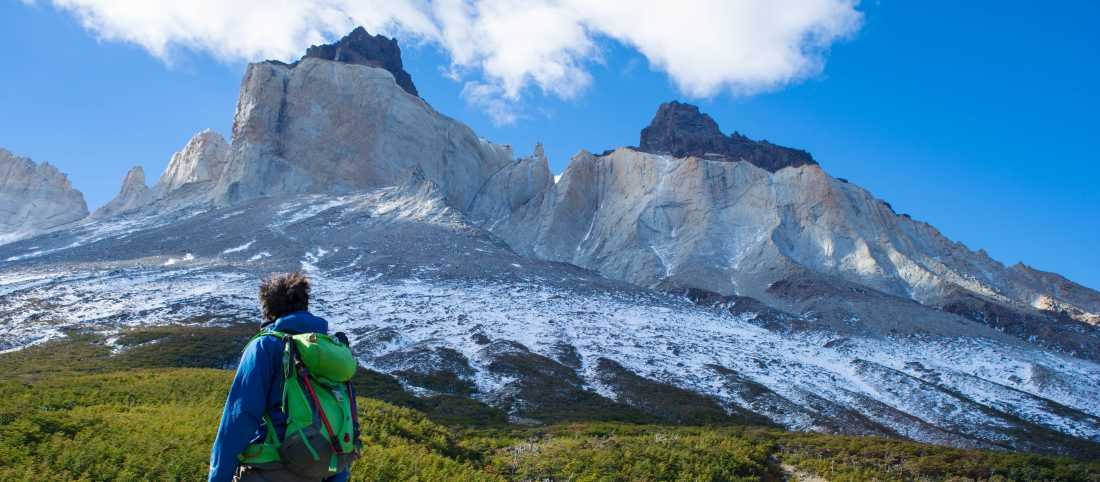
Imagine standing at the base of towering granite peaks, their jagged edges piercing a sky so blue it feels unreal. Below, turquoise lakes shimmer, and in the distance, glaciers groan under their ancient weight. This is the W Trek in Patagonia’s Torres del Paine National Park, a 50-mile adventure that weaves through some of the planet’s most breathtaking landscapes. But here’s the catch: this bucket-list hike isn’t something you can just wing. Booking early isn’t just a suggestion—it’s a necessity. Let’s dive into why securing your spot months in advance is the key to making this dream a reality.
What Is the W Trek?
The W Trek is a multi-day hike in Chile’s Torres del Paine National Park, named for its W-shaped route. Spanning roughly 80 kilometers (50 miles), it typically takes 4–5 days to complete, showcasing iconic landmarks like the granite towers of Las Torres, the French Valley’s glacier-draped peaks, and the icy expanse of Grey Glacier. It’s a moderately challenging trek, perfect for adventurers with some hiking experience, offering a mix of rugged trails, cozy refugios, and jaw-dropping vistas. Its popularity has skyrocketed, drawing thousands of hikers each year to Patagonia’s wild heart.
Why Is It So Popular?
The W Trek’s fame comes from its accessibility and diversity. Unlike the longer O Circuit, it’s manageable for most fit hikers, blending moderate trails with world-class scenery. You’ll trek past turquoise lakes, glacier-carved valleys, and peaks that look like they belong in a fantasy novel. Social media hasn’t helped—photos of the Torres del Paine towers at sunrise flood Instagram, fueling demand. Add in the park’s UNESCO Biosphere Reserve status, and it’s no wonder spots fill up fast.
The Limited Booking Window: A Race Against Time
Campsites and Refugios Sell Out Early
Torres del Paine’s campsites and refugios (mountain lodges) are the backbone of the W Trek, offering shelter and meals along the route. But here’s the kicker: these accommodations have limited capacity, and they’re managed by two main operators—Las Torres Patagonia and Vertice Patagonia—plus CONAF’s free Italiano campsite. Booking opens in May or June for the upcoming season (September to April), and popular spots like Chileno and Francés can sell out within days, especially for peak months like January and February.
Peak Season Pressure
December to February is Patagonia’s summer, with long daylight hours and milder weather (highs of 20°C/68°F, lows around 10°C/50°F). It’s also the busiest time, with up to 1,000 hikers hitting the trail to Mirador Las Torres in a single day. Refugios and campsites during this period often require booking 6–12 months in advance. Even shoulder seasons (October–November, March–April) see high demand as hikers chase fewer crowds and vibrant spring or fall colors. Waiting too long risks missing out entirely.
The Logistical Puzzle
Booking isn’t as simple as clicking one button. You’ll need to coordinate reservations across multiple websites (Las Torres, Vertice, and sometimes CONAF), aligning dates to create a workable itinerary. This can feel like solving a jigsaw puzzle with missing pieces. For example, securing a spot at Paine Grande but not Chileno could force you to rethink your entire route. Early booking gives you flexibility to lock in your preferred campsites and hiking direction (east to west or vice versa).
Why Early Booking Saves You Money
Avoiding Premium Tour Costs
If campsites are booked out, you might turn to guided tours, which can cost $1,300–$3,300 per person compared to $200–$500 for a self-guided trek. Tour companies often snap up refugio beds and campsites early, releasing unbooked spots just weeks before, but you’ll pay a premium for their convenience. Booking directly with operators like Las Torres or Vertice cuts costs significantly, letting you control your budget for gear rentals, meals, or transport.
Locking in Lower Rates
Accommodation prices in Torres del Paine can fluctuate, especially as demand peaks. By booking early, you secure lower rates before price hikes or currency fluctuations (Chilean peso rates can vary for foreigners). For instance, camping with your own gear costs around $20–$40 per night, while refugios range from $43–$100 per person. Early birds also avoid last-minute surcharges, like solo occupancy fees ($25/night at some sites).
Budget-Friendly Comparison Table
| Option | Cost (Per Person) | Pros | Cons |
|---|---|---|---|
| Self-Guided (Camping) | $20–$40/night | Cheapest, flexible, immersive | Requires gear, more planning |
| Self-Guided (Refugio) | $43–$100/night | Comfortable, less gear to carry | More expensive, limited availability |
| Guided Tour | $1,300–$3,300 | Hassle-free, meals included | Very costly, less independence |
The Weather Factor: Timing Is Everything
Patagonia’s Unpredictable Climate
Patagonia’s weather is notorious—think sunshine, rain, snow, and 95 mph winds all in one day. Summer (December–February) offers the best conditions, with longer days and warmer temperatures, but it’s also the windiest. Shoulder seasons (October–November, March–April) bring milder winds but a higher chance of rain. Booking early lets you target your ideal weather window, whether it’s summer’s vibrancy or fall’s colorful foliage.
Winter Trekking Challenges
From May to August, Torres del Paine transforms into a winter wonderland with fewer visitors but limited facilities. Most refugios and campsites close, and some trails may require a guide due to snow. If you’re dreaming of a quieter trek, early booking ensures you snag one of the few open spots, like at Refugio Grey, and avoid last-minute scrambling when options are scarce.
Logistics Made Simple with Early Planning
Securing Transportation
Getting to Torres del Paine from Puerto Natales (the gateway town) involves buses and a catamaran across Lake Pehoé. Buses from Puerto Natales’s Terminal Rodoviario to Laguna Amarga or Pudeto run frequently but fill up fast in peak season. The catamaran ($30 one-way) to Paine Grande often requires pre-booking to guarantee a spot. Early planning ensures you align transport with your trek dates, avoiding stressful last-minute arrangements.
Park Entrance and Permits
Entry to Torres del Paine costs $49 for adults (over 3 days), and you must pre-purchase tickets online and download a QR code—no cell service at the entrance! Early booking means you can secure your ticket and avoid delays or entry issues. While no specific permit is needed for the W Trek, accommodation reservations act as a de facto limit, so locking those in early is critical.
A Personal Tale: Learning the Hard Way
When I planned my first W Trek in 2019, I was naive. I thought, “It’s Patagonia—there’ll be space!” Wrong. By August, for a January trip, Chileno and Francés were fully booked. I ended up piecing together a less-than-ideal itinerary, staying at Los Cuernos instead of Francés, which added an extra hour of hiking each day. My group was exhausted, and I regretted not booking in June when spots opened. The lesson? Early booking isn’t just about getting a spot—it’s about crafting the trek you want.
The Ripple Effect of Late Booking
Compromised Itineraries
Late booking often means settling for suboptimal routes. For example, missing a night at Chileno could force you to hike 14 km to Mirador Las Torres and back in one day—a grueling task for even seasoned hikers. Early booking lets you spread the trek over 5 days, with shorter daily distances (15–20 km), making it more enjoyable, especially for beginners.
Missing Key Highlights
The W Trek’s magic lies in its three main highlights: the Torres del Paine viewpoint, French Valley, and Grey Glacier. A rushed or poorly planned itinerary might mean skipping the suspension bridges near Glacier Grey or missing the sunrise at Mirador Las Torres. Booking early ensures you can stay at strategic campsites like Chileno (closest to the towers) or Grey (near the glacier), maximizing your experience.
How to Book the W Trek: A Step-by-Step Guide
Step 1: Plan Your Itinerary
Decide whether you’ll hike east to west or west to east and choose between 4 or 5 days. A 5-day itinerary offers shorter hiking days and more time to soak in views. Use online resources like TorresHike.com for sample itineraries and maps to plan your route.
Step 2: Book Accommodations
Visit the websites of Las Torres Patagonia (for Central, Chileno, Cuernos, Francés) and Vertice Patagonia (for Grey, Paine Grande). Check CONAF for the free Italiano campsite, but note it requires carrying your own gear. Aim to book 6–12 months in advance, especially for peak season.
Step 3: Arrange Transport and Permits
Book bus tickets from Puerto Natales to Torres del Paine (about $20–$30 round-trip) and the Lake Pehoé catamaran in advance. Purchase your park entry ticket online at Pases Parques Nacionales. Have a digital or printed QR code ready at the entrance.
Step 4: Gear Up
Decide whether to bring your own camping gear or rent tents, sleeping bags, and mats at campsites ($10–$30 per item). Refugios provide bedding, reducing pack weight. Check out packing lists on sites like WorldlyAdventurer.com for guidance.
Pros and Cons of Early Booking
Pros
- Secures Preferred Spots: Get your ideal campsites or refugios, like Chileno for the towers.
- Cost Savings: Avoid expensive guided tours or last-minute price hikes.
- Flexibility: Choose your hiking direction and pace with more accommodation options.
- Peace of Mind: Focus on training and gear prep, not logistics.
Cons
- Less Spontaneity: Committing early locks you into dates, limiting last-minute changes.
- Upfront Costs: You’ll need to pay deposits months in advance.
- Weather Uncertainty: Patagonia’s weather is unpredictable, even with early planning.
People Also Ask (PAA)
Why is the W Trek so expensive?
The W Trek’s cost comes from accommodation (refugios at $43–$100/night), park entry ($49), transport ($20–$50), and gear rentals ($10–$30/item). Guided tours inflate costs further ($1,300–$3,300). Booking early and self-guiding keeps expenses down.
When is the best time to hike the W Trek?
December to February offers warm weather and long days but is crowded. October–November and March–April have fewer hikers and vibrant scenery, though rain is more likely. Winter (May–August) is quieter but colder, with limited facilities.
Do I need a guide for the W Trek?
No, the W Trek is well-marked and suitable for self-guided hiking. However, guides enhance the experience with insights on geology and wildlife and handle logistics. They’re mandatory in winter for safety.
How fit do I need to be for the W Trek?
The trek is moderate, with daily hikes of 15–20 km and some elevation (up to 800m). Regular walkers with basic fitness can manage, but training with a pack for endurance helps. Test gear and boots beforehand.
FAQ Section
How far in advance should I book the W Trek?
Book 6–12 months ahead, especially for December–February. Campsites like Chileno and Francés often sell out within days of opening in May/June. Shoulder seasons (October, March–April) may allow 3–4 months’ notice, but earlier is safer.
Can I book all campsites on one website?
No, you must book through Las Torres Patagonia, Vertice Patagonia, and CONAF separately. BookingPatagonia.travel offers an integrated platform, but availability isn’t guaranteed. Check each provider’s site for the most accurate options.
What happens if I don’t book early?
You risk missing key campsites, forcing a rushed itinerary or reliance on costly guided tours. You may also miss the trek entirely if accommodations are fully booked, especially in peak season.
Is it worth paying for a refugio?
Refugios ($43–$100/night) offer beds, hot showers, and meals, reducing pack weight and increasing comfort. They’re ideal for beginners or those seeking less hassle but book out faster than campsites.
Can I hike the W Trek in winter?
Yes, but from May to August, most facilities close, and some trails require a guide. Weather is colder, with shorter days, but the park is quieter. Book early to secure limited open spots.
Tips for a Stress-Free Booking Process
- Start Early: Check Las Torres and Vertice websites in May/June when bookings open.
- Be Flexible: Have backup dates or campsites (e.g., Los Cuernos instead of Francés).
- Use a Planner: Tools like TorresHike.com simplify itinerary planning.
- Double-Check Transport: Pre-book buses and the catamaran to avoid delays.
- Pack Smart: Rent gear at campsites to lighten your load, but reserve rentals early.
Final Thoughts: Don’t Wait to Chase Patagonia’s Magic
Booking the W Trek early isn’t just about snagging a campsite—it’s about crafting an adventure that lives up to the hype. Picture yourself sipping coffee at Refugio Chileno as the first rays of sunrise light up the Torres del Paine towers, or standing awestruck as Grey Glacier’s icy blue face looms before you. These moments are worth the effort, but they require planning. Start now, lock in your spots, and get ready to step into Patagonia’s wild embrace. Your future self will thank you.
For more details on booking, visit TorresHike.com or check availability at Las Torres Patagonia and Vertice Patagonia. Happy trekking!