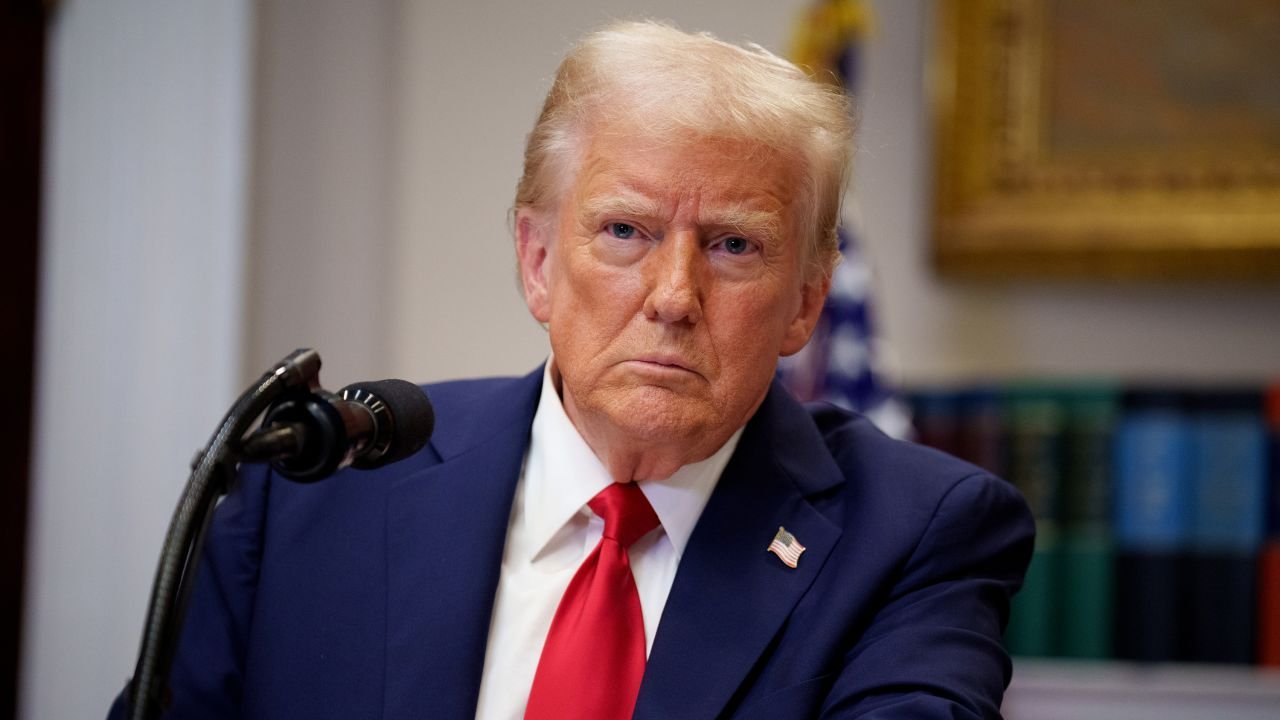
A Shifting Approach to a Global Crisis
In August 2025, President Donald Trump intensified his rhetoric on the Russia-Ukraine conflict, signaling a pivot from diplomatic optimism to a more confrontational stance as peace talks faltered. His comments, particularly a Truth Social post comparing Ukraine’s defensive strategy to a sports team unable to play offense, sparked global debate. This article explores the context, implications, and challenges of Trump’s evolving approach to one of Europe’s deadliest conflicts in decades.
Background of the Russia-Ukraine Conflict
A War Rooted in History
Russia’s invasion of Ukraine, launched in February 2022, has claimed countless lives and displaced millions, with Russia controlling roughly a fifth of Ukrainian territory, including parts of Donbas and Crimea. The conflict, now in its fourth year, has seen periods of intense fighting and stalled negotiations, with global powers struggling to broker peace. Trump’s re-entry into the White House in January 2025 brought renewed focus on ending the war, but progress remains elusive.
Trump’s Initial Push for Peace
Upon taking office, Trump vowed to resolve the conflict swiftly, famously claiming during his campaign he could end it in “24 hours.” Early efforts included a high-profile summit with Russian President Vladimir Putin in Alaska on August 15, 2025, and subsequent meetings with Ukrainian President Volodymyr Zelenskyy and European leaders. However, these talks, initially aimed at securing a ceasefire, have shifted toward a broader peace agreement, complicating negotiations.
Trump’s Escalating Rhetoric in August 2025
A Provocative Truth Social Post
On August 21, 2025, Trump posted on Truth Social, stating, “It is very hard, if not impossible, to win a war without attacking an invader’s country… It is like that with Ukraine and Russia.” This marked a stark departure from his earlier focus on diplomacy, suggesting Ukraine should adopt a more aggressive stance against Russia. The post, which criticized the Biden administration’s defensive-only policy, raised eyebrows in Moscow, where Ukrainian strikes on Russian soil are a red line.
Contrasting Past Statements
Trump’s rhetoric contrasts sharply with his December 2024 comments to TIME Magazine, where he opposed Ukraine using long-range U.S. missiles on Russian territory, calling it a “big mistake.” This flip-flop reflects growing frustration as Russia’s recent airstrikes, including one on a U.S.-owned company in Ukraine, underscored the lack of progress in peace talks. His post also juxtaposed a photo of himself with Putin alongside a 1959 image of Nixon confronting Khrushchev, signaling a tougher stance.
The Stalling of Peace Talks
The Alaska Summit: High Hopes, Mixed Results
The August 15 summit in Anchorage, Alaska, saw Trump and Putin discuss ending the war, with Trump initially pushing for a ceasefire. Despite a show of camaraderie, no agreement was reached, and Trump later backed Putin’s call for a comprehensive peace deal over a temporary truce. This shift, reported by The New York Times, alarmed Ukraine and European allies, who feared it favored Russia’s territorial demands.
Zelenskyy’s White House Visit
On August 18, Zelenskyy met Trump and seven European leaders at the White House, focusing on security guarantees for Ukraine. Trump pledged U.S. support but ruled out American troops on the ground, suggesting European nations take the lead. The talks, described as productive, failed to secure a ceasefire, with Russia’s Foreign Ministry rejecting NATO troop deployments and Zelenskyy emphasizing the need to stop Russian strikes first.
Kremlin’s Reluctance
Russia’s position remains a significant hurdle. Putin has not committed to meeting Zelenskyy, with Kremlin aide Yuri Ushakov noting that high-level summits require extensive preparation. Moscow’s demands, including Ukraine’s neutrality and ceding Donbas, clash with Kyiv’s insistence on territorial integrity and NATO aspirations. Recent Russian airstrikes, including a barrage on August 20, signal continued aggression, further stalling talks.
A Personal Reflection on the Stakes
I remember watching news of the Ukraine invasion unfold in 2022, feeling helpless as cities like Kharkiv faced relentless shelling. A Ukrainian friend shared stories of her family fleeing Kyiv, their lives upended overnight. Trump’s recent rhetoric, urging Ukraine to “fight back,” resonates with that frustration but also feels like a risky escalation. It’s a reminder of how deeply personal this war is for millions, far beyond political posturing.
Key Issues Blocking Progress
Territorial Disputes
Russia controls about 88% of Donbas and demands Ukraine cede the rest, including unoccupied areas like Sloviansk. Zelenskyy has rejected this, citing Ukraine’s constitution, which prohibits territorial concessions without approval. Trump’s suggestion of “land swaps” has fueled fears that Kyiv might face pressure to surrender territory, rewarding Russia’s aggression.
Security Guarantees
Ukraine seeks “ironclad” security assurances, potentially modeled on NATO’s Article 5, to deter future Russian invasions. Trump has agreed to coordinate U.S. support, possibly through air defenses, but opposes ground troops. European leaders, including France’s Emmanuel Macron, advocate for a strong Ukrainian military and possible European peacekeepers, though Russia rejects foreign troops.
Ceasefire vs. Peace Deal
Trump’s shift from advocating a ceasefire to a full peace agreement aligns with Moscow’s stance but complicates negotiations. European leaders and Zelenskyy argue a ceasefire is essential to halt civilian deaths, with Zelenskyy noting Russia’s refusal to pause strikes “complicates the situation.” Without a truce, talks risk favoring Russia’s battlefield gains.
Comparing Trump’s Approach to Past Efforts
| Approach | Trump (2025) | Biden (2021–2024) |
|---|---|---|
| Primary Goal | Rapid peace deal, possible land swaps | Defensive support, no offensive strikes |
| Ceasefire Stance | Initially favored, now secondary to peace deal | Prioritized ceasefire before talks |
| Military Aid | Proposed $90B in weapons sales | Supplied defensive weapons, limited range |
| Tone with Russia | Warm, then confrontational | Consistently critical |
Pros of Trump’s Approach: High-level engagement, willingness to pressure Russia with tariffs, focus on long-term peace.
Cons: Risks alienating Ukraine, vague security guarantees, potential to escalate tensions.
Pros of Biden’s Approach: Strong NATO alignment, clear support for Ukraine’s sovereignty.
Cons: Limited offensive support, slower diplomatic progress.
European and Ukrainian Perspectives
Zelenskyy’s Cautious Optimism
Zelenskyy has welcomed Trump’s involvement but remains skeptical of Russia’s intentions. In a social media post on August 16, he warned that Russia’s refusal to agree to a ceasefire “may take a lot of effort” to achieve peaceful coexistence. He’s pushing for security guarantees and the return of abducted Ukrainian children, a key humanitarian issue.
European Leaders’ Concerns
European allies, including Germany’s Friedrich Merz and France’s Emmanuel Macron, stress that Ukraine must not be sidelined. They advocate for sanctions and a ceasefire, with Merz calling Putin’s territorial demands a violation of international borders. The “Coalition of the Willing,” led by France and the UK, is exploring peacekeeping options, but Trump’s reluctance to commit troops raises doubts.
The Role of Sanctions and Military Aid
Trump’s Tariff Threats
Trump has threatened “severe consequences,” including 100% tariffs on Russia, if Putin doesn’t agree to a deal by late September 2025. This marks a shift from his earlier reluctance to impose sanctions, reflecting frustration with Putin’s intransigence. However, he’s also emphasized not wanting to “hurt Russia,” complicating his stance.
Boosting Ukraine’s Arsenal
In July 2025, Trump announced a plan to funnel $90 billion in U.S. weapons to Ukraine via European purchases, including Patriot missile systems. This aims to bolster Kyiv’s defenses and signal resolve to Moscow. The plan, discussed at a NATO summit, could shift the balance if implemented swiftly, though funding details remain unclear.
Tools and Resources for Staying Informed
Where to Follow Developments
- CNN Politics: Real-time updates on U.S. foreign policy and Trump’s statements (cnn.com).
- Reuters: In-depth reporting on global reactions and diplomatic moves (reuters.com).
- The New York Times: Analysis of peace talks and their implications (nytimes.com).
Best Apps for News Updates
- BBC News: Offers global perspectives on the conflict.
- Reuters App: Provides detailed diplomatic coverage.
- X Platform: Follow @AP, @TheStudyofWar, or @nexta_tv for breaking news and sentiment.
People Also Ask (PAA) Section
What is Trump’s stance on the Russia-Ukraine conflict in 2025?
Trump has shifted from seeking a ceasefire to pushing for a comprehensive peace deal, suggesting Ukraine adopt offensive tactics and possibly cede territory. His Truth Social post on August 21, 2025, criticized past defensive strategies and urged action.
Why are Russia-Ukraine peace talks stalling?
Talks are stalled due to Russia’s refusal to commit to a ceasefire, demands for Ukrainian territory, and opposition to NATO involvement. Trump’s pivot to a peace deal without a truce has raised concerns among Ukraine and European allies.
What security guarantees are being discussed for Ukraine?
Proposals include NATO-like protections, European peacekeepers, and $90 billion in U.S. weapons. Trump supports coordination but rules out U.S. troops, leaving Europe to lead ground efforts. Details remain vague, with Russia opposing foreign troops.
Where can I follow updates on the Russia-Ukraine conflict?
Track developments on cnn.com, reuters.com, or nytimes.com. The X platform offers real-time sentiment from accounts like @AP and @TheStudyofWar.
How can I support Ukraine during the conflict?
Donate to organizations like the Ukraine Conflict Observatory (yalelab.yale.edu) or advocate for sanctions via state.gov. Stay informed and share verified updates to raise awareness.
FAQ Section
Q: What did Trump say about Ukraine’s strategy in August 2025?
A: Trump posted on Truth Social that Ukraine cannot win without attacking Russia, likening it to a sports team unable to play offense. He criticized Biden’s defensive-only policy, suggesting a more aggressive approach.
Q: Why has Trump shifted from a ceasefire to a peace deal?
A: After the Alaska summit with Putin yielded no ceasefire, Trump backed Russia’s call for a comprehensive peace agreement, believing it could end the war faster. This shift has raised concerns about favoring Moscow’s terms.
Q: What are Russia’s demands in the peace talks?
A: Russia demands Ukraine cede Donbas, remain neutral, and abandon NATO aspirations. Putin also seeks sanctions relief and has rejected foreign peacekeepers, complicating negotiations.
Q: How are European leaders responding to Trump’s rhetoric?
A: Leaders like Macron and Merz support Ukraine’s sovereignty, pushing for a ceasefire and sanctions. They fear Trump’s land-swap proposals could weaken Kyiv and are advocating for strong security guarantees.
Q: What role does the U.S. play in the peace talks?
A: Trump is facilitating talks, proposing weapons sales and tariff threats, but has stepped back from mediating directly, urging a Putin-Zelenskyy meeting first. The U.S. supports security guarantees but not ground troops.
The Road Ahead
Trump’s ramped-up rhetoric reflects the complexities of brokering peace in a war with deep historical roots and high stakes. His push for Ukraine to go on the offensive, coupled with tariff threats and weapons deals, signals a bold but risky strategy. Yet, with Russia’s intransigence and Ukraine’s resolve, the path to peace remains fraught. For those watching, this moment is a reminder that diplomacy requires patience, clarity, and a commitment to human lives over political wins. Stay engaged, follow trusted sources, and support efforts to end this devastating conflict.