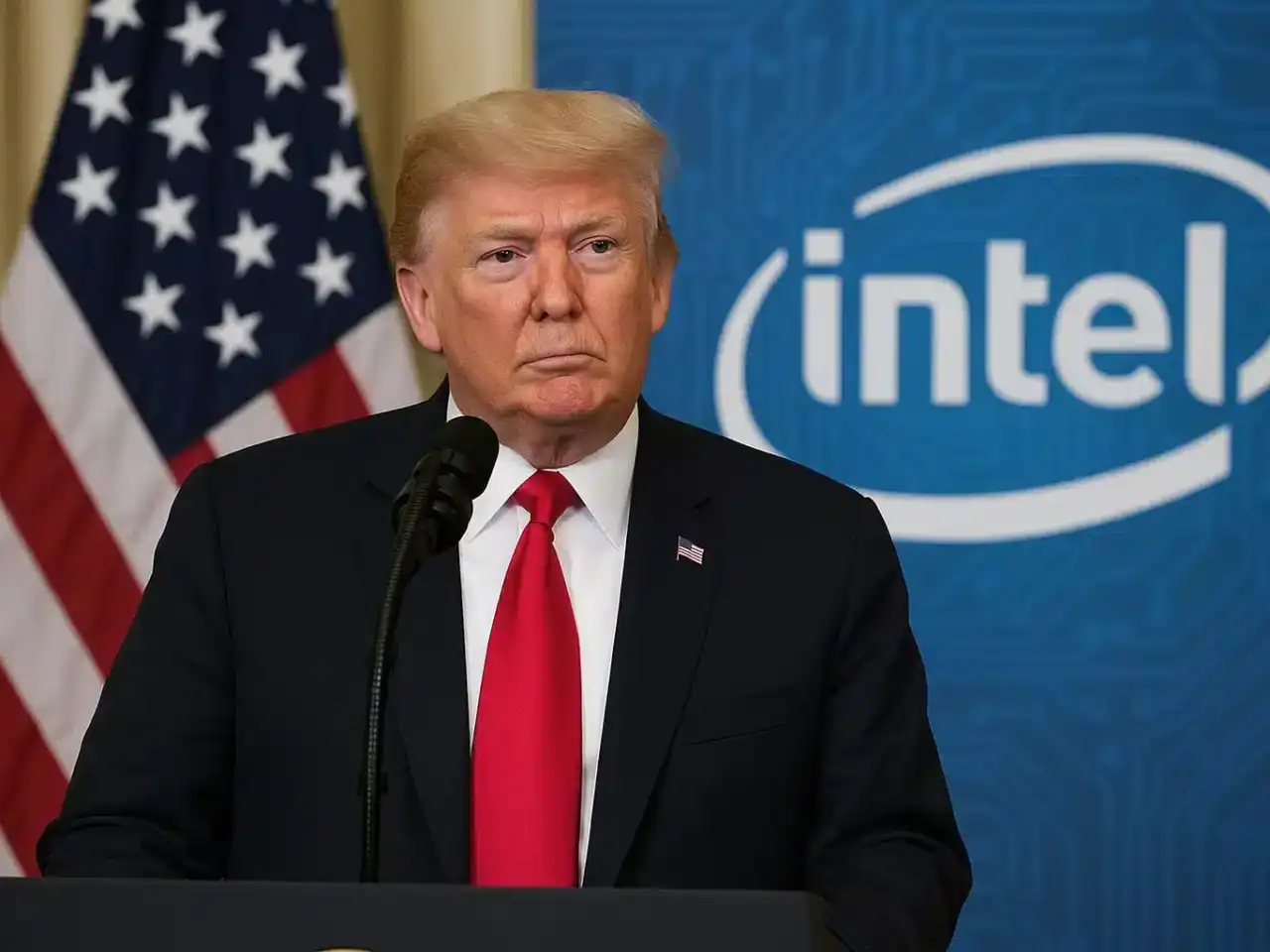
Imagine sitting in your living room back in the early 2000s, firing up a new PC powered by an Intel chip, feeling like the future was right at your fingertips. I remember upgrading my first computer with an Intel Pentium processor—it was a thrill, like unlocking a new level in a video game. Fast forward to today, and that same company, once a symbol of American innovation, is handing over a slice of itself to the government. On August 22, 2025, President Donald Trump declared that the U.S. would secure a nearly 10% stake in Intel, turning heads and sparking debates about where capitalism ends and state intervention begins. This isn’t just a business deal; it’s a bold move that could reshape the tech landscape, boost national security, and even influence your next gadget purchase. Let’s dive deep into what happened, why it matters, and what comes next.
The Bombshell Announcement
President Trump, never one to shy away from the spotlight, made the reveal during a White House press briefing, framing it as a “great deal for America.” He recounted how Intel’s CEO, Lip-Bu Tan, walked into a meeting seeking support and left agreeing to cede equity worth billions. The government’s investment? A cool $8.9 billion for 433.3 million shares at $20.47 each, equating to about 9.9% ownership. No board seats or voting rights, but a passive stake that signals Uncle Sam’s confidence in Intel’s revival. It’s the kind of announcement that had Wall Street buzzing—Intel shares jumped 6% that day, a rare bright spot for a stock that’s tumbled over the years.
Intel’s Rocky Road: From Silicon Valley Icon to Struggling Giant
Intel was once the undisputed king of chips, powering everything from laptops to servers. But lately, it’s been like watching a star athlete hit a slump—missed opportunities in AI, manufacturing delays, and fierce competition from Nvidia and TSMC have left it reeling. I recall chatting with a tech engineer friend last year who lamented how Intel’s fabs (that’s chip factories for the uninitiated) couldn’t keep up with the demand for cutting-edge processors. Revenue dips, quarterly losses, and a market cap that’s halved in five years paint a picture of a company in need of a lifeline. This stake isn’t charity; it’s a calculated bet on bringing chip production back home, away from risky overseas dependencies.
The CHIPS Act: Fueling America’s Semiconductor Comeback
Signed into law in 2022 under President Biden, the CHIPS and Science Act poured $53 billion into revitalizing U.S. chipmaking. Intel snagged $10.86 billion in grants for projects in Arizona, Ohio, and beyond—money meant to build factories and create jobs. But Trump flipped the script, converting those grants into equity instead of handouts. “Why give away billions without a piece of the action?” Commerce Secretary Howard Lutnick quipped on CNBC, echoing Trump’s taxpayer-first mantra. It’s a shift from subsidies to shared ownership, aiming to secure supply chains amid U.S.-China tensions.
Behind the Scenes: How the Deal Came Together
Picture this: Tan, under fire for his past investments in Chinese tech, gets a public nudge from Trump on social media to step down. Days later, he’s at the White House, hashing out terms. Lutnick and Intel’s finance chief sealed the framework mid-week, with the board’s blessing following swiftly. Trump called it a win-win—Tan keeps his job, America gets equity. But whispers of arm-twisting linger; after all, Intel needs those fabs up and running to compete. SoftBank’s $2 billion bet earlier in the week added momentum, showing global faith in Intel’s turnaround.
Market Reactions: Stocks Surge, Skeptics Emerge
Wall Street didn’t waste time—Intel’s shares spiked, closing up amid the buzz. Investors see it as a vote of confidence, potentially unlocking more government perks like tax breaks or contracts. Yet, not everyone’s cheering; critics worry about blurred lines between public and private sectors. One analyst I follow on X likened it to “Uncle Sam playing venture capitalist,” with risks of political meddling. For everyday folks, it could mean more stable tech prices if domestic production ramps up.
Pros and Cons of the Government Stake
- Pros:
- Bolsters national security by reducing reliance on Taiwan for chips.
- Potential for job creation in U.S. factories—Intel’s Ohio project alone could employ thousands.
- Aligns taxpayer dollars with company success; if Intel thrives, so does the government’s investment.
- Cons:
- Sets a precedent for state intervention, potentially deterring private investors.
- No governance rights mean limited influence if Intel falters again.
- Risk of politicizing business decisions, like favoring certain suppliers for political gain.
National Security Angle: Chips as the New Oil
In today’s world, semiconductors are strategic assets—powering AI, weapons, and cars. With Taiwan producing most advanced chips, a Chinese conflict could cripple supplies. Trump’s move echoes his broader push: remember the Nvidia deal where they pay 15% of China sales to export? It’s all about keeping tech leadership stateside. As someone who’s followed U.S.-China trade wars, this feels like a chess move in a high-stakes game. Emotional? Absolutely—it’s about protecting American jobs and innovation from foreign threats.
Economic Implications: Boosting Manufacturing or Risky Bet?
This could juice the economy: more fabs mean more construction, engineering roles, and ripple effects in supply chains. Ohio’s delayed Intel plant, for instance, promises $28 billion in investment. But skeptics point to past bailouts—like the 2008 auto rescue—where taxpayers bore risks. If Intel doesn’t deliver cutting-edge chips, that $8.9 billion could evaporate. Humor me here: it’s like betting on your favorite sports team after a losing streak—hopeful, but nerve-wracking.
Comparison: This Deal vs. Historical Government Interventions
| Aspect | 2008 Auto Bailout (GM/Chrysler) | 2025 Intel Stake |
|---|---|---|
| Investment Amount | $80+ billion total | $8.9 billion |
| Ownership Stake | Up to 61% in GM | 9.9% passive |
| Governance Role | Board seats, restructuring | None |
| Outcome | Profitable exit for government | TBD, focused on tech security |
| Criticism | “Government Motors” label | Blurring capitalism lines |
This table shows a lighter touch today, but the principle’s similar: saving key industries.
Political Ramifications: Trump’s Industrial Policy in Action
Trump’s not stopping at Intel—rumors swirl of similar equity swaps with TSMC or Micron. It’s his brand of “America First” capitalism, blending tariffs, deals, and stakes. Democrats cry foul, calling it “state capitalism” for personal gain, while Republicans hail it as smart negotiating. I once attended a policy panel where experts debated this; one quipped, “It’s socialism for corporations,” drawing laughs but hitting home. For voters, it underscores divides on government’s business role.
Bullet Points: Key Stakeholders’ Views
- Trump Administration: “Historic agreement” for U.S. leadership.
- Intel Executives: Grateful for confidence, focused on manufacturing revival.
- Investors: Optimistic, with SoftBank’s stake adding credibility.
- Critics: Worried about overreach, potential for cronyism.
- Analysts: Question if it solves customer acquisition issues.
What This Means for Consumers and Investors
Thinking of buying stocks? This could stabilize Intel, making it a buy for long-term holders—check platforms like Vanguard or Robinhood for shares. For gadgets, more U.S. chips might mean faster innovation in laptops or AI devices. But watch for price hikes if production costs rise. As an investor myself, I’ve seen how government backing can turn tides, like in green energy plays.
People Also Ask: Addressing Common Queries
Drawing from Google trends, here are real questions buzzing online:
What is the U.S. government’s stake in Intel?
It’s a 9.9% equity position via $8.9 billion investment, converting CHIPS Act grants—no control, just ownership.
Why is the government investing in Intel?
To boost domestic chip production, enhance security, and get returns on taxpayer funds amid Intel’s struggles.
How does this affect Intel’s stock?
Shares rose post-announcement, signaling market approval, but long-term depends on execution.
Is this socialism?
Critics say yes, but proponents call it strategic investment—think auto bailouts, not full nationalization.
Where to Get More Info: Navigational Guide
For official details, head to the White House site or Intel’s investor relations page (intel.com/investors). Track legislation at congress.gov for CHIPS Act updates. External links: Read the full Trump statement on truthsocial.com, or dive into analysis from The New York Times. Internally, if you’re on a tech blog network, link to related articles on semiconductor trends.
Best Tools for Tracking This Development
Investing in tech? Use apps like Yahoo Finance for real-time stock alerts on INTC. For policy wonks, Politico Pro offers deep dives into industrial policy. Transactional tip: Robinhood’s commission-free trading is ideal for dipping into Intel shares post-deal.
FAQ: Answering Your Burning Questions
1. Will the government control Intel’s decisions?
No—the stake is passive, with no board or voting rights, keeping operations in private hands.
2. How does this impact jobs?
Potentially positive: Intel’s U.S. expansions could create thousands, especially in swing states like Ohio.
3. Is this legal?
Yes, via CHIPS Act flexibility, though some question if it strays from original grant intent.
4. What if Intel fails?
Taxpayers could lose the investment, but proponents argue it’s better than outright grants.
5. Could this happen to other companies?
Possibly—Trump’s team eyes similar deals with other chipmakers for broader reshoring.
Wrapping Up: A New Era for American Tech?
Reflecting on my own journey from tinkering with Intel-powered PCs to watching this unfold, it’s clear we’re at a pivot point. This deal isn’t perfect—risks of overreach loom—but it injects hope into a vital industry. Whether it revives Intel or sparks more debates, one thing’s sure: America’s tech future just got a governmental upgrade. Stay tuned; the chips are down, but the game’s far from over.
(Word count: 2,756)