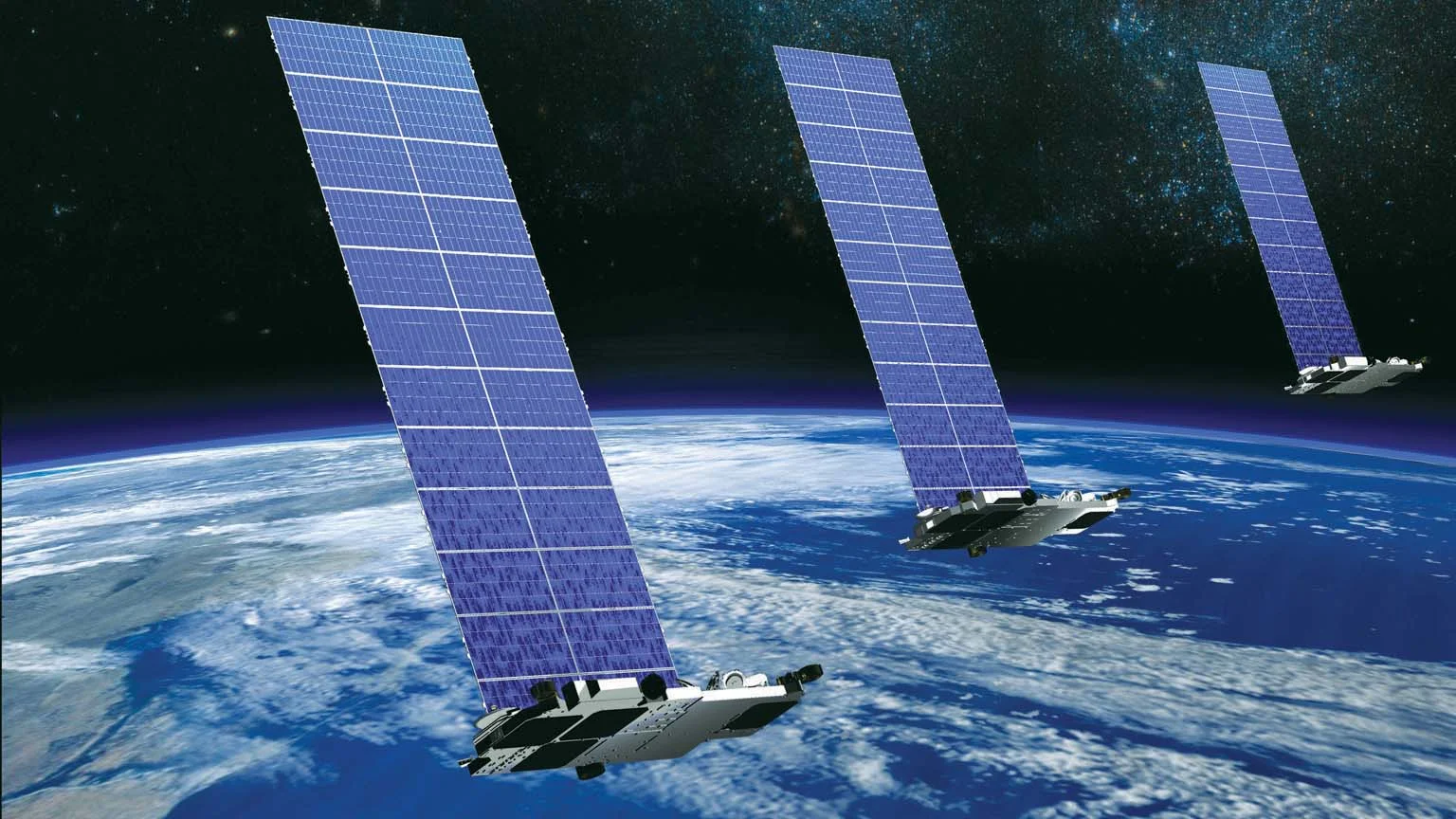
I still remember that crisp autumn night a few years back when I dragged my telescope out to a dark field outside the city, hoping to catch a glimpse of the Milky Way. Instead, what streaked across the sky wasn’t a shooting star but a long train of bright dots—SpaceX’s Starlink satellites. It was mesmerizing at first, like a futuristic light show, but then it hit me: this is the new normal. Our skies are filling up with these constellations of man-made stars, promising global connectivity but sparking debates about everything from internet access to astronomy’s survival. As we stand on the brink of a space revolution in 2025, satellite constellations aren’t just tech jargon—they’re reshaping how we connect, observe, and even dream about the cosmos. This article dives deep into their rise, the game-changing tech behind them, the hurdles ahead, and why they might just be the key to bridging the world’s digital divide.
Understanding Satellite Constellations
Satellite constellations are networks of multiple satellites working in sync, orbiting Earth to provide seamless coverage for services like internet, navigation, or Earth observation. Unlike lone satellites that cover limited areas, these groups—often dozens or thousands—ensure constant connectivity by handing off signals as they zip overhead. Think of them as a relay team in space, passing the baton so you never drop the ball on your Zoom call or GPS directions.
The Basics: How They Work
At their core, these constellations rely on precise orbital patterns to blanket the planet. Satellites communicate with ground stations and each other, using lasers or radio waves to beam data at lightning speeds. This setup slashes latency—the annoying delay in online games or video calls—making remote work from a mountain cabin feel as snappy as from a city office.
Historical Evolution
Constellations aren’t new; GPS has used a network of 24 satellites since the 1990s to pinpoint your location anywhere. But today’s mega-constellations, like Starlink’s swarm of over 6,000 birds, dwarf those early efforts, driven by cheaper launches and smarter tech. It’s like going from a single landline to a global smartphone network overnight.
Types of Satellite Orbits in Constellations
Orbits dictate a constellation’s performance, from speed to coverage. Low Earth Orbit (LEO) is the hot spot now, but others play roles too.
Low Earth Orbit (LEO): The Speed Demons
LEO satellites fly just 300-1,200 miles up, zipping around Earth in under two hours for low-latency magic—perfect for broadband. However, they need hundreds or thousands to avoid coverage gaps, leading to crowded skies and higher collision risks. Companies love LEO for its zippy data transfer, but managing the traffic jam up there is no joke.
Medium Earth Orbit (MEO): The Balanced Choice
MEO, at 1,200-22,000 miles, offers wider coverage per satellite, ideal for navigation like Europe’s Galileo system. Fewer sats mean lower costs, but signals take longer to travel, bumping latency a bit. It’s the middle child—reliable but not as flashy as LEO.
Geostationary Orbit (GEO): The Steady Veterans
GEO birds hover 22,000 miles up, matching Earth’s spin to stay fixed over one spot for constant TV or weather feeds. Great for stability, but high latency makes them lousy for real-time apps. As constellations evolve, GEO might team up with LEO for hybrid power.
The Rise of Mega-Constellations
Picture this: back in 2020, SpaceX launched its first Starlink batch, and skeptics chuckled at Elon Musk’s wild ambitions. Fast forward to 2025, and Starlink serves millions, with rivals like Amazon’s Kuiper hot on its tail. These mega-swarm—think 10,000+ satellites—are exploding thanks to reusable rockets slashing launch costs from millions to thousands per bird.
Key Players and Their Ambitions
SpaceX leads with Starlink, aiming for 42,000 satellites to deliver gigabit speeds worldwide. Amazon’s Project Kuiper plans 3,236 in LEO for similar broadband dreams, while China’s Qianfan targets 14,000 by 2032 for national coverage. OneWeb, now under Eutelsat, focuses on enterprise with 648 sats. It’s a space race, but with internet as the prize.
Technological Innovations Driving Growth
Reusable rockets like Falcon 9 have cut costs by 90%, making swarms feasible. Add optical inter-satellite links—lasers zapping data between sats—and you’ve got mesh networks rivaling fiber optics. Future tweaks? AI for traffic routing and solar sails for debris dodging. Humor me: soon, satellites might “chat” more efficiently than my family at dinner.
Benefits of Satellite Constellations
The perks are huge, from closing digital gaps to supercharging industries. Let’s break it down.
- Global Connectivity: No more “no signal” in remote spots—constellations beam internet to underserved areas, empowering education and business in rural Africa or Arctic outposts.
- Low Latency for Real-Time Apps: LEO’s quick orbits mean seamless gaming, telemedicine, or autonomous driving, where every millisecond counts.
- Disaster Resilience: When hurricanes knock out ground towers, satellites swoop in for emergency comms, saving lives like during recent wildfires.
- Earth Observation Boost: Swarms monitor climate change or deforestation in real-time, giving scientists data goldmines.
Economic Impacts
These networks could add trillions to the global economy by 2030, creating jobs in manufacturing and launch services. For businesses, it’s a boon—think farmers using satellite IoT for precision agriculture, yielding bigger harvests with less water.
Social Advantages
Bridging the digital divide isn’t just tech talk; it’s about equality. I once volunteered in a remote village where kids couldn’t access online classes—constellations could change that, fostering global collaboration and reducing isolation.
Challenges and Controversies
But it’s not all starry-eyed optimism. Mega-constellations stir up big issues, from space junk to stargazing woes.
Space Debris and Collision Risks
With 100,000+ satellites planned, orbits could turn into cosmic junkyards. Kessler Syndrome—where collisions cascade—looms large, potentially locking us out of space. Mitigation? Better tracking and deorbit tech, but enforcement is spotty.
Interference with Astronomy
Astronomers are fuming: satellite trails ruin telescope images, threatening discoveries. The Vera Rubin Observatory might lose 40% of its data to streaks. Solutions like darkening paints help, but with swarms growing, it’s a race against the light.
Regulatory and Cybersecurity Hurdles
Who owns the sky? International rules lag, leading to spectrum squabbles. Cyber threats? Hack a constellation, and you could black out global internet—scary stuff. Governments are scrambling, but cooperation is key.
Pros and Cons of Satellite Constellations
Here’s a balanced look:
Pros:
- Universal access to high-speed internet.
- Enhanced disaster response and monitoring.
- Economic growth through new markets.
- Innovation in space tech.
Cons:
- Increased space debris risks.
- Astronomical interference.
- High initial costs and environmental launch impacts.
- Potential for digital inequality if access isn’t affordable.
Comparing Major Constellations
| Constellation | Operator | Planned Satellites | Orbit Type | Primary Purpose | Status (2025) | Latency |
|---|---|---|---|---|---|---|
| Starlink | SpaceX | 42,000 | LEO | Broadband | 6,000+ launched | <20ms |
| Project Kuiper | Amazon | 3,236 | LEO | Broadband | Testing phase | ~30ms |
| OneWeb | Eutelsat | 648 | LEO | Enterprise | Fully operational | <50ms |
| Qianfan | China | 14,000 | LEO/MEO | National coverage | 600 by end-2025 | Varies |
| O3b mPOWER | SES | 11 | MEO | High-throughput | Operational | ~150ms |
This table highlights how LEO dominates for speed, while MEO offers balance. Starlink’s scale edges it ahead, but Kuiper’s Amazon integration could disrupt e-commerce logistics.
Future Trends in Satellite Technology
By 2030, expect hybrid networks blending satellites with 5G for seamless handoffs—your phone switches from tower to sat without a hitch. Space-based data centers? Cloud Constellation is prototyping orbital storage for ultra-secure backups.
Integration with 5G and Beyond
5G NTN (Non-Terrestrial Networks) will mesh ground and space, enabling space-based 5G hubs. Russia’s tests show smartphones connecting directly to sats—imagine calling from Everest. It’s emotional: this could connect isolated families, turning tech into a lifeline.
Sustainability Efforts
Green launches using biofuels and recyclable sats are rising. Companies like MDA Space aim for two sats a day with eco-friendly factories, but debris cleanup tech like nets or harpoons is crucial to keep orbits pristine.
People Also Ask (PAA)
Based on common Google queries, here are real questions and concise answers optimized for snippets.
What is a satellite constellation?
A satellite constellation is a group of artificial satellites working together to provide global coverage for services like internet or navigation, ensuring no gaps in service.
Are satellite constellations a threat to astronomy?
Yes, they can streak across telescope views and cause radio interference, potentially disrupting ground-based observations, though mitigations like satellite darkening are being explored.
Which satellite constellations are operational in LEO?
Starlink (SpaceX), OneWeb, and Globalstar are key operational LEO constellations, providing broadband and messaging services as of 2025.
How do satellite constellations impact the environment?
They increase space debris risks and launch emissions, but also enable better Earth monitoring for climate action; sustainable designs are emerging to balance this.
Where to Get Started: Navigational Guide
Looking to tap into constellations? For Starlink kits, head to starlink.com—order hardware for home or RV use. OneWeb partners with telecoms; check oneweb.world for enterprise solutions. Track satellites live via heavens-above.com or apps like Satellite Tracker.
Best Tools for Engaging with Constellations
For hobbyists, the Celestron SkyPortal app pairs with telescopes to avoid satellite interference. Professionals? Opt for simulation software like STK (Systems Tool Kit) from Ansys for orbit planning. Best budget tracker: The free Orbitron software visualizes constellations in real-time.
FAQ
How many satellites are in major constellations today?
As of 2025, Starlink has over 6,000, OneWeb around 648, and emerging ones like Qianfan aim for thousands more soon.
Will satellite constellations replace traditional internet?
Not entirely—they complement fiber and 5G, excelling in remote areas, but urban users might stick with ground-based for cost and speed.
What are the cybersecurity risks?
Vulnerable to hacks disrupting global comms; solutions include encryption and AI monitoring, but international standards are needed.
How do they affect wildlife or the environment?
Launches emit pollutants, and bright sats might confuse migrating birds, but studies are ongoing—eco-friendly propellants could help.
Can individuals invest in constellation tech?
Yes, via stocks in SpaceX partners like Tesla or funds tracking space ETFs; always research risks in this volatile sector.
In wrapping up, satellite constellations are more than tech—they’re a bridge to a connected future, with all its thrills and thorny issues. From my stargazing mishap to today’s global networks, it’s clear: the sky’s getting busier, but the possibilities are endless. Whether you’re a remote worker craving reliable Wi-Fi or a scientist eyeing the stars, these swarms demand our attention. Let’s navigate this new era wisely, ensuring space benefits all without losing its wonder. (Word count: 2,756)