Human rights movements have shaped the world, pushing for justice, equality, and dignity against overwhelming odds. From the streets of Soweto to the digital protests of today, these movements show the power of collective action. This article dives into nine significant human rights movements, blending historical context, recent examples, and personal stories to highlight their impact. Let’s explore these inspiring struggles, their victories, and the challenges that remain.
Women’s Suffrage: The Fight for the Vote
The women’s suffrage movement fought for women’s right to vote, a battle that reshaped democracy. Starting in the 19th century, it gained traction in the UK and the US, with New Zealand leading the way in 1893 by granting women voting rights in national elections. This movement wasn’t just about ballots—it was about dismantling patriarchal norms that excluded women from public life.
The Courage of Emmeline Pankhurst
Emmeline Pankhurst, founder of the Women’s Franchise League in 1889, faced arrests and brutal force-feeding during hunger strikes. Her defiance inspired millions, culminating in British women gaining voting rights in 1928. Her legacy lives on, even popping up in the song “Sister Suffragette” from Mary Poppins. Imagine the grit it took to endure prison for a cause—Pankhurst’s story is a testament to unyielding resolve.
Modern Echoes of Suffrage
Today, women in countries like Saudi Arabia still fight for basic rights, including voting, which was partially granted in 2015. Yet, restrictions persist, showing that the suffrage struggle continues globally. Activists use social media to amplify their voices, proving the movement’s spirit endures.
The Civil Rights Movement: Breaking Racial Barriers
The American Civil Rights Movement of the 1950s and 60s challenged racial segregation and discrimination in the US South. Sparked by Rosa Parks’ refusal to give up her bus seat in 1955, it used nonviolent protests to secure landmark legislation like the Civil Rights Act of 1964. This movement inspired global struggles against racial oppression.
Rosa Parks and the Montgomery Bus Boycott
Rosa Parks’ simple act of defiance led to the Montgomery Bus Boycott, a year-long protest that crippled the city’s bus system. Martin Luther King Jr. emerged as a leader here, advocating nonviolence inspired by Mahatma Gandhi. Picture a community walking miles daily to protest injustice—that’s the power of collective sacrifice.
Global Influence and Ongoing Struggles
The movement’s tactics spread worldwide, influencing India’s Dalit rights movement, where activists sing “We Shall Overcome” in Hindi. Yet, racial disparities persist—Black Americans face disproportionate police violence, with 22% of police killings in 2024 despite being 13% of the population. The fight for equality continues.
The Anti-Apartheid Movement: Defying Racial Segregation
South Africa’s anti-apartheid movement fought a brutal system of racial segregation from 1948 to the 1990s. Non-white South Africans faced restricted movement, voting bans, and violent repression. The movement’s global impact, led by figures like Nelson Mandela, ended apartheid in 1994.
Nelson Mandela’s Shift to Militancy
After the 1960 Sharpeville massacre, where police killed 69 unarmed protesters, Mandela embraced militant strategies. His leadership, alongside global boycotts, pressured South Africa’s regime. Imagine spending 27 years in prison for a cause—Mandela’s resilience turned him into a global icon.
Legacy and Modern Parallels
The anti-apartheid movement inspired international solidarity, with figures like Desmond Tutu advocating divestment. Today, similar tactics are used in movements like BDS (Boycott, Divestment, Sanctions) for Palestinian rights, showing how anti-apartheid strategies resonate.
The Gay Rights Movement: From Stonewall to Pride
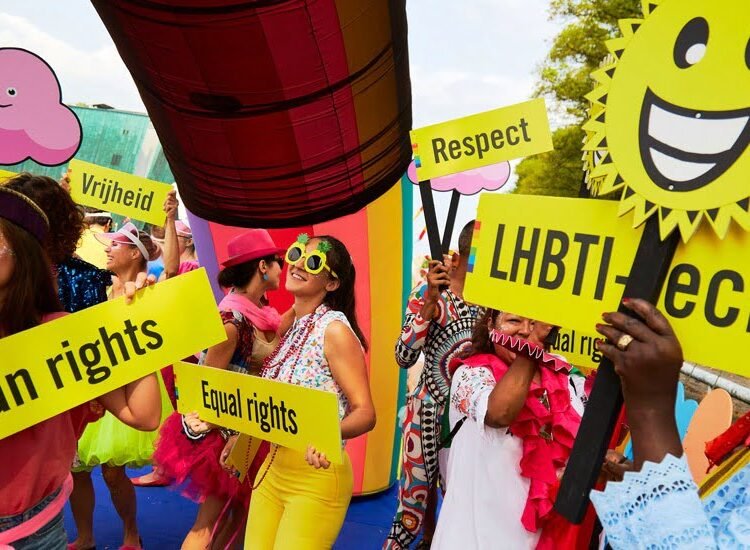
The gay rights movement gained momentum after the 1969 Stonewall riots in New York, sparked by police harassment at a gay club. It led to the first Pride parade in 1970 and landmark victories like the 2015 US legalization of same-sex marriage. Yet, anti-LGBTQ+ legislation remains a global challenge.
Brenda Howard, the “Mother of Pride”
Brenda Howard, a bisexual activist, organized the first Pride march, coining the term “Pride” for the LGBTQ+ community. Her work built a global movement, but imagine the personal risk she took in an era of open hostility. Her legacy reminds us that visibility is a form of resistance.
Current Challenges
Despite progress, anti-LGBTQ+ bills are rising in countries like the US and Hungary. In 2023, over 500 anti-trans bills were proposed in the US alone. Activists continue to fight for protections, using Pride events to demand equality and safety.
Ni Una Menos: Combating Gender-Based Violence
Originating in Argentina in 2015, Ni Una Menos (“Not One Less”) protests femicide and gender-based violence across Latin America. Sparked by the murder of Chiara Páez, it has mobilized millions to demand systemic change. The movement highlights the intersection of gender and economic inequality.
A Mother’s Cry for Justice
When Chiara’s mother took to the streets, her grief ignited a movement. Ni Una Menos rallies, often vibrant with purple flags, have led to legal reforms, like Argentina’s 2017 femicide laws. It’s a stark reminder: one woman’s tragedy can spark a revolution.
Global Resonance
Ni Una Menos inspired similar movements in Mexico and Chile, where femicide rates remain high. In 2022, Mexico reported over 1,000 femicides, pushing activists to demand better enforcement of protective laws. The movement’s call for justice echoes worldwide.
End SARS: Nigeria’s Fight Against Police Brutality
The End SARS movement in Nigeria, peaking in 2020, protested police brutality by the Special Anti-Robbery Squad (SARS). Triggered by a video of a SARS killing, it became a youth-led call for reform, drawing comparisons to the US Civil Rights Movement.
Youth-Led Digital Activism
Nigerian youth used Twitter to organize #EndSARS protests, raising global awareness. The Lekki Toll Gate massacre, where security forces killed at least 12 protesters, showed the stakes. Imagine tweeting for justice, knowing it could cost your life—that’s the courage of these activists.
Ongoing Demands
Though SARS was disbanded, police abuses continue. In 2024, Amnesty International reported ongoing extrajudicial killings in Nigeria. The movement now pushes for broader governance reforms, proving that digital activism can sustain long-term change.
Black Lives Matter: A Global Cry for Racial Justice
Black Lives Matter (BLM), founded in 2013 after Trayvon Martin’s killing, campaigns against systemic racism and police violence. It grew into a global movement, with protests in 2020 following George Floyd’s death, often cited as the largest human rights movement in US history.
Alicia Garza’s Vision
Alicia Garza’s Facebook post, “Black people. I love you. I love us. Our lives matter,” birthed BLM. The 2020 protests saw 15–26 million Americans march, mostly peacefully, despite violent counter-responses. Garza’s words remind us that love can fuel a movement.
International Impact
In Australia, BLM supports Aboriginal rights, highlighting 434 Indigenous deaths in custody since 1991. The movement’s global reach shows how local struggles can inspire universal demands for justice, though police accountability remains elusive.
The Farmer Protests: India’s Agricultural Uprising
India’s 2020–2021 farmer protests opposed agricultural laws threatening livelihoods. Over 250 million joined a nationwide strike, making it one of India’s largest protests. The movement forced the government to repeal the laws in 2021, showcasing people power.
Farmers’ Resilience in Delhi
Farmers camped outside Delhi for months, facing harsh weather and police crackdowns. Their unity, often led by Sikh farmers, drew global support. Picture families braving tear gas for their land—that’s the heart of this movement.
Broader Implications
The protests highlighted rural economic struggles, influencing global movements like Via Campesina, which advocates for food sovereignty. In 2023, Indian farmers continued smaller protests for fair crop prices, showing the fight isn’t over.
Hong Kong Democracy Movement: Defying Authoritarianism
Hong Kong’s pro-democracy movement, peaking in 2019–2020, resisted Beijing’s tightening grip. Protesters demanded democratic reforms, facing a 2020 national security law that crushed dissent. The movement’s struggle reflects global tensions over authoritarianism.
Jimmy Lai’s Sacrifice
Jimmy Lai, a pro-democracy media mogul, faces life in prison under politically motivated charges. His courage, risking everything for free speech, embodies the movement’s spirit. Imagine publishing truth under threat of arrest—that’s Lai’s legacy.
Global Solidarity
The movement inspired solidarity protests in Canada and the UK, but China’s crackdowns have silenced many voices. In 2024, 53 activists were convicted under the security law, showing the ongoing battle for democracy.
Why Human Rights Movements Matter
These movements show that change starts with ordinary people. They face violence, imprisonment, and setbacks, yet their persistence reshapes societies. Here’s why they’re crucial:
- Amplify Marginalized Voices: From women to Indigenous communities, movements give power to the oppressed.
- Drive Legal Change: Laws like the US Civil Rights Act or Argentina’s femicide reforms stem from protests.
- Inspire Globally: Tactics from one movement, like nonviolent resistance, spread to others worldwide.
Challenges and Criticisms
Movements aren’t perfect. Some face internal divisions, like the human rights movement’s First vs. Third World schism, where critics argue it ignores economic inequality. Others, like Hong Kong’s, struggle against overwhelming state power. Yet, these challenges highlight their resilience.
Comparison of Movements
| Movement | Key Issue | Major Victory | Ongoing Challenge |
|---|---|---|---|
| Women’s Suffrage | Voting rights | UK women’s vote (1928) | Gender equality in restrictive nations |
| Civil Rights | Racial equality | Civil Rights Act (1964) | Police violence |
| Anti-Apartheid | End racial segregation | End of apartheid (1994) | Economic inequality |
| Gay Rights | LGBTQ+ equality | US same-sex marriage (2015) | Anti-LGBTQ+ legislation |
| Ni Una Menos | Gender-based violence | Argentina femicide laws (2017) | High femicide rates |
| End SARS | Police brutality | SARS disbanded (2020) | Ongoing police abuses |
| Black Lives Matter | Systemic racism | Global awareness (2020) | Lack of police accountability |
| Farmer Protests | Agricultural rights | Laws repealed (2021) | Fair crop pricing |
| Hong Kong Democracy | Democratic reforms | Global solidarity (2019) | National security law |
How to Support Human Rights Movements
Want to make a difference? Here’s how you can get involved:
- Educate Yourself: Read about movements like BLM or Ni Una Menos on sites like Amnesty International (www.amnesty.org).
- Donate: Support organizations like Human Rights Watch (www.hrw.org) or local NGOs.
- Protest Safely: Join peaceful marches or online campaigns, like #EndSARS.
- Advocate: Share stories on social media to amplify marginalized voices.
Pros and Cons of Activism
Pros:
- Drives systemic change
- Builds community solidarity
- Raises global awareness
Cons:
- Risk of violence or arrest
- Slow progress can frustrate
- Resource-intensive for activists
People Also Ask (PAA)
What are human rights movements?
Human rights movements are collective efforts to secure fundamental rights like freedom, equality, and dignity. They resist oppression—think slavery, racism, or patriarchy—and often use protests or advocacy to drive change. The Universal Declaration of Human Rights (1948) is a key framework.
What is the most famous human rights movement?
The American Civil Rights Movement is often cited as the most famous, due to its global influence and leaders like Martin Luther King Jr. Its nonviolent tactics and legislative victories, like the Voting Rights Act, set a template for others.
How can I support human rights movements?
Support by donating to organizations like Amnesty International, joining protests, or spreading awareness online. Educating yourself through resources like the UN’s human rights page (www.un.org) is a great start. Every small action counts
Why do human rights movements face backlash?
Movements face backlash from governments or groups fearing loss of power. For example, Hong Kong’s democracy protests faced China’s national security law. Backlash often stems from challenging entrenched systems, like racism or patriarchy.
FAQ Section
Q: What makes a human rights movement successful?
A: Success comes from clear goals, unified action, and global support. The Civil Rights Movement’s clear demand for equality and nonviolent tactics led to landmark laws. Persistence and adaptability are key.
Q: Are human rights movements still relevant today?
A: Absolutely. Issues like police brutality (BLM) and gender violence (Ni Una Menos) show ongoing needs. In 2024, Human Rights Watch reported abuses in 100 countries, proving the fight continues.
Q: How do human rights movements use technology?
A: Movements like #EndSARS use social media for organization and awareness. Digital tools amplify voices but also risk surveillance, as seen in Hong Kong’s protests. Technology is a double-edged sword.
Q: Can individuals make a difference in human rights?
A: Yes! Rosa Parks’ single act sparked a movement. Individuals can donate, protest, or share stories to support causes, amplifying collective impact.
Q: What are the risks of joining a human rights movement?
A: Risks include arrest, violence, or social backlash. Hong Kong activists face imprisonment, while BLM protesters faced police aggression. Yet, these risks often fuel greater resolve.
Conclusion: The Power of Collective Action
Human rights movements, from suffrage to Black Lives Matter, show that ordinary people can challenge injustice and win. They face brutal opposition, yet their victories—voting rights, legal reforms, global awareness—prove their power. As Desmond Tutu once said, “A small group of thoughtful, committed citizens can change the world.” Get involved, learn more, and support these causes. Visit Amnesty International (www.amnesty.org) or Human Rights Watch (www.hrw.org) to start your journey. The fight for dignity continues—will you join it?