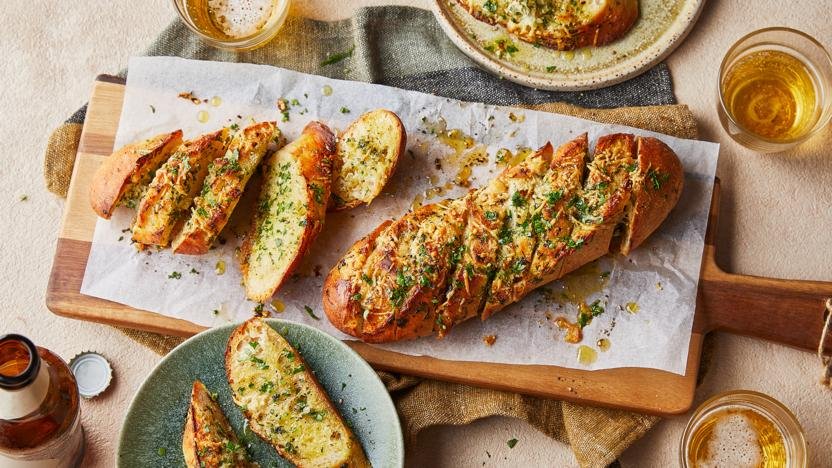
Why Cooking Matters for Beginners
Cooking is more than just a way to fill your stomach—it’s a life skill that sparks creativity, builds confidence, and brings people together. For beginners, the kitchen can feel like uncharted territory, but starting with simple dishes can transform intimidation into excitement. Think of it as your first step into a world of flavors, where every meal you make is a small victory.
The Joy of Starting Simple
When I first stepped into the kitchen as a novice, I was overwhelmed by recipes with mile-long ingredient lists and techniques I couldn’t pronounce. But then I discovered the magic of simple dishes like scrambled eggs and pasta. These recipes taught me that cooking doesn’t have to be complicated to be delicious—it’s about mastering the basics and building from there. Starting small lets you focus on learning techniques without the stress of perfection.
Building Confidence Through Easy Wins
Simple recipes are your best friend as a beginner. They let you practice foundational skills like chopping, seasoning, and heat control while delivering tasty results. Success with these dishes boosts your confidence, making you eager to try more complex recipes down the road.
Understanding Your Kitchen Tools
Before you start cooking, get familiar with your kitchen’s essential tools. A sharp chef’s knife, a sturdy cutting board, and a reliable skillet can make all the difference. These tools are like the paintbrushes of your culinary canvas—invest in quality, and they’ll serve you for years.
Must-Have Kitchen Tools for Beginners
A well-equipped kitchen sets you up for success. Here’s a quick list of essentials every beginner needs:
- Chef’s Knife: Your go-to for chopping, slicing, and dicing.
- Cutting Board: Opt for wood or plastic to protect your counters.
- Non-Stick Skillet: Perfect for eggs, pancakes, and stir-fries.
- Measuring Cups and Spoons: Ensure accuracy for consistent results.
- Mixing Bowls: Versatile for prepping and combining ingredients.
Where to Get Quality Kitchen Tools
You don’t need to break the bank to stock your kitchen. Stores like Target, Amazon, or even thrift shops offer affordable, high-quality tools. For example, a good chef’s knife can be found for under $30 at places like IKEA, and it’ll last you years with proper care.
The Best Beginner-Friendly Dishes to Master
Let’s dive into the heart of your culinary journey: the dishes that are easy to make, forgiving for mistakes, and packed with flavor. These recipes are handpicked for their simplicity and ability to teach you core cooking skills. Plus, they’re crowd-pleasers, so you can impress friends or family without sweating in the kitchen.
Scrambled Eggs: The Ultimate Starter Dish
Scrambled eggs are the perfect first dish for any beginner. They’re quick, require minimal ingredients, and teach you how to control heat—a skill you’ll use in almost every recipe. Plus, who doesn’t love a plate of fluffy, golden eggs?
Why Scrambled Eggs Are Great for Beginners
Eggs are affordable and versatile, making them ideal for practice. Mastering scrambled eggs teaches you how to whisk, season, and gauge doneness, all while delivering a protein-packed meal you can enjoy any time of day.
Simple Scrambled Eggs Recipe
Here’s a foolproof recipe to get you started:
- Ingredients: 3 large eggs, 1 tbsp butter, salt, pepper, optional cheese or herbs.
- Instructions:
- Crack eggs into a bowl, add a pinch of salt and pepper, and whisk until smooth.
- Heat a non-stick skillet over medium-low heat and melt the butter.
- Pour in the eggs and stir gently with a spatula until soft curds form (about 2-3 minutes).
- Remove from heat while slightly runny—they’ll finish cooking from residual heat.
- Add cheese or herbs like chives for extra flavor, if desired.
Pro Tip: Don’t crank the heat too high—low and slow keeps eggs creamy, not rubbery.
Pasta with Garlic and Olive Oil (Aglio e Olio)
Pasta is a beginner’s dream: it’s hard to mess up, endlessly customizable, and universally loved. Spaghetti aglio e olio, a classic Italian dish, uses just a handful of ingredients to create a flavorful meal that feels gourmet.
Why Pasta Is Perfect for New Cooks
Cooking pasta teaches you about boiling, timing, and flavor layering. This dish also introduces you to sautéing aromatics like garlic, a technique you’ll use in countless recipes.
Spaghetti Aglio e Olio Recipe
Here’s how to make it:
- Ingredients: 200g spaghetti, 3 tbsp olive oil, 3 garlic cloves (thinly sliced), red pepper flakes, parsley, Parmesan (optional).
- Instructions:
- Boil spaghetti in salted water until al dente (follow package instructions).
- Reserve ½ cup pasta water, then drain.
- Heat olive oil in a skillet over medium heat, add garlic and a pinch of red pepper flakes, and sauté until golden (1-2 minutes).
- Toss pasta in the skillet with garlic oil, adding reserved pasta water as needed.
- Garnish with chopped parsley and Parmesan, if using.
Pro Tip: Don’t burn the garlic—it turns bitter fast. Keep an eye on it while sautéing.
Vegetable Stir-Fry: Colorful and Healthy
Stir-fries are a fantastic way to pack in nutrients while practicing knife skills and high-heat cooking. You can use whatever vegetables you have on hand, making this dish budget-friendly and flexible.
Benefits of Stir-Frying for Beginners
Stir-frying is quick, forgiving, and teaches you how to balance flavors with simple seasonings like soy sauce. It’s also a great way to experiment with textures—crisp veggies paired with tender rice or noodles.
Easy Vegetable Stir-Fry Recipe
Try this beginner-friendly version:
- Ingredients: 2 cups mixed vegetables (e.g., bell peppers, broccoli, carrots), 1 tbsp vegetable oil, 2 tbsp soy sauce, 1 tsp minced ginger (optional), cooked rice or noodles.
- Instructions:
- Heat oil in a large skillet or wok over high heat.
- Add vegetables and stir-fry for 3-5 minutes until tender-crisp.
- Add ginger (if using) and soy sauce, stirring for 1 more minute.
- Serve over cooked rice or noodles.
Pro Tip: Chop veggies into uniform sizes for even cooking, and keep the pan hot to avoid soggy results.
One-Pan Chicken and Vegetables
This dish is a weeknight hero—minimal cleanup, maximum flavor. Roasting chicken with vegetables teaches you about oven temperatures and seasoning, and it’s nearly impossible to get wrong.
Why One-Pan Meals Are Beginner-Friendly
One-pan dishes simplify the cooking process by combining protein and sides in a single dish. They’re perfect for learning how to balance flavors and cook multiple ingredients at once.
One-Pan Chicken and Vegetables Recipe
Here’s a simple recipe:
- Ingredients: 2 chicken breasts, 2 cups mixed vegetables (e.g., potatoes, carrots, zucchini), 2 tbsp olive oil, salt, pepper, rosemary or thyme.
- Instructions:
- Preheat oven to 400°F (200°C).
- Place chicken and vegetables in a baking dish, drizzle with olive oil, and season with salt, pepper, and herbs.
- Bake for 25-30 minutes until chicken is cooked through (internal temperature 165°F) and veggies are tender.
Pro Tip: Use a meat thermometer to ensure the chicken is fully cooked without drying out.
Homemade Pancakes: A Sweet Start
Pancakes are a fun, forgiving way to dip your toes into baking. They teach you about batter consistency, heat management, and the joy of flipping (even if your first few are wonky!).
Why Pancakes Are Great for Beginners
Pancakes require basic ingredients and simple techniques, making them perfect for practicing mixing and cooking on a griddle. Plus, they’re customizable with toppings like fruit or syrup.
Fluffy Pancake Recipe
Here’s a crowd-pleasing recipe:
- Ingredients: 1 cup flour, 1 tbsp sugar, 1 tsp baking powder, ½ tsp baking soda, ¼ tsp salt, 1 cup milk, 1 egg, 2 tbsp melted butter.
- Instructions:
- Whisk dry ingredients (flour, sugar, baking powder, baking soda, salt) in a bowl.
- Mix wet ingredients (milk, egg, melted butter) in another bowl.
- Combine wet and dry ingredients, stirring until just mixed (lumps are okay).
- Heat a non-stick skillet over medium heat, pour ¼ cup batter per pancake, and cook until bubbles form (2-3 minutes). Flip and cook 1-2 minutes more.
Pro Tip: Don’t press down on the pancakes while cooking—it flattens them and ruins the fluffiness.
Comparing Beginner Dishes: Which One to Start With?
| Dish | Skill Level | Prep Time | Key Skills Learned | Cost |
|---|---|---|---|---|
| Scrambled Eggs | Beginner | 5 min | Heat control, whisking, seasoning | $2-3 |
| Pasta Aglio e Olio | Beginner | 15 min | Boiling, sautéing, flavor layering | $5-7 |
| Vegetable Stir-Fry | Beginner | 20 min | Knife skills, high-heat cooking | $6-8 |
| One-Pan Chicken | Beginner | 30 min | Roasting, seasoning, oven management | $10-12 |
| Pancakes | Beginner | 20 min | Mixing, batter consistency, flipping | $4-6 |
Pros and Cons of Each Dish
- Scrambled Eggs
Pros: Quick, cheap, versatile.
Cons: Easy to overcook if not attentive. - Pasta Aglio e Olio
Pros: Minimal ingredients, restaurant-quality flavor.
Cons: Garlic can burn easily, affecting taste. - Vegetable Stir-Fry
Pros: Healthy, customizable, quick.
Cons: Requires chopping prep work. - One-Pan Chicken
Pros: Low cleanup, hearty meal.
Cons: Longer cooking time. - Pancakes
Pros: Fun to make, kid-friendly.
Cons: Batter can be tricky to perfect.
Essential Cooking Techniques for Beginners
Mastering a few core techniques will make every dish easier and more flavorful. Here are the must-know skills to focus on as a beginner.
Knife Skills: Chop Like a Pro
Good knife skills make prep work faster and safer. Practice cutting vegetables into uniform pieces to ensure even cooking, and always keep your knife sharp—a dull blade is more dangerous than a sharp one.
Sautéing: Quick and Flavorful
Sautéing involves cooking food quickly in a small amount of oil over medium-high heat. It’s perfect for vegetables, meats, or aromatics like garlic and onions, locking in flavor with minimal effort.
Boiling: The Foundation of Pasta and More
Boiling is simple but crucial. It’s used for pasta, eggs, and vegetables. Always salt your water generously—it should taste like the sea—to enhance flavor.
Roasting: Set It and Forget It
Roasting in the oven brings out deep flavors in meats and vegetables. It’s a low-effort technique that teaches you about seasoning and timing for perfect results.
People Also Ask (PAA) Section
What Are the Best First Recipes for a Beginner Cook?
The best first recipes are simple, forgiving, and teach core skills. Scrambled eggs, pasta aglio e olio, vegetable stir-fry, one-pan chicken, and pancakes are great starting points. They use affordable ingredients and build confidence through quick, delicious results.
How Can I Improve My Cooking Skills as a Beginner?
Start with simple recipes and practice regularly. Focus on mastering techniques like chopping, sautéing, and seasoning. Watch cooking tutorials on YouTube or follow beginner-friendly cookbooks to learn visually, and don’t be afraid to experiment with flavors.
What Kitchen Tools Do I Need as a Beginner?
Invest in a chef’s knife, cutting board, non-stick skillet, measuring cups, and mixing bowls. These cover most cooking tasks and make prep easier. You can find budget-friendly options at stores like Amazon or Walmart.
How Do I Know When My Food Is Properly Cooked?
Use a food thermometer for meats (e.g., 165°F for chicken). For vegetables and pasta, check for tenderness or al dente texture. Visual cues like golden-brown edges or clear juices also help gauge doneness.
Tips for Success in Your Culinary Journey
- Start Small: Don’t tackle a soufflé on day one. Stick to recipes with 5-7 ingredients to build confidence.
- Prep Ahead: Chop vegetables or measure ingredients before cooking to avoid chaos.
- Taste as You Go: Seasoning is an art—taste your dish at different stages to get it just right.
- Embrace Mistakes: My first attempt at pancakes looked like abstract art, but they still tasted great. Learn from errors and keep going.
- Have Fun: Cooking is about joy. Put on some music, sip a coffee, and enjoy the process.
Where to Find More Resources
- Cookbooks: “The Joy of Cooking” or “Salt, Fat, Acid, Heat” are beginner-friendly and packed with tips.
- Online Tutorials: Websites like Serious Eats or Bon Appétit offer step-by-step recipes with videos.
- Apps: Yummly or Tasty provide beginner recipes with clear instructions and visuals.
- Local Classes: Check community centers or culinary schools for hands-on cooking classes.
Final Thoughts: Your Culinary Adventure Awaits
Cooking as a beginner is like learning to ride a bike—wobbly at first, but soon you’re cruising with confidence. Start with dishes like scrambled eggs, pasta, stir-fries, roasted chicken, or pancakes to build skills and discover the joy of creating something delicious. The kitchen is your playground, so don’t be afraid to experiment, make mistakes, and savor the process. With every dish you make, you’re not just cooking—you’re crafting memories, sharing love, and embarking on a lifelong culinary journey.
FAQ Section
Q: What’s the easiest dish for a beginner to cook?
A: Scrambled eggs are the easiest, requiring just eggs, butter, and a skillet. They teach heat control and seasoning in under 5 minutes.
Q: How do I avoid burning food as a beginner?
A: Use medium or low heat until you’re comfortable, and stay near the stove. Stir frequently and set a timer to avoid overcooking.
Q: Can I cook these dishes on a budget?
A: Absolutely! Eggs, pasta, and vegetables are inexpensive, and you can buy in bulk or use leftovers to keep costs low.
Q: What’s the best way to learn cooking techniques?
A: Practice simple recipes, watch online tutorials, and read beginner cookbooks. Hands-on experience combined with visual learning is key.
Q: How do I make my dishes taste better?
A: Season generously with salt, pepper, and fresh herbs. Taste as you cook and adjust flavors to suit your palate.