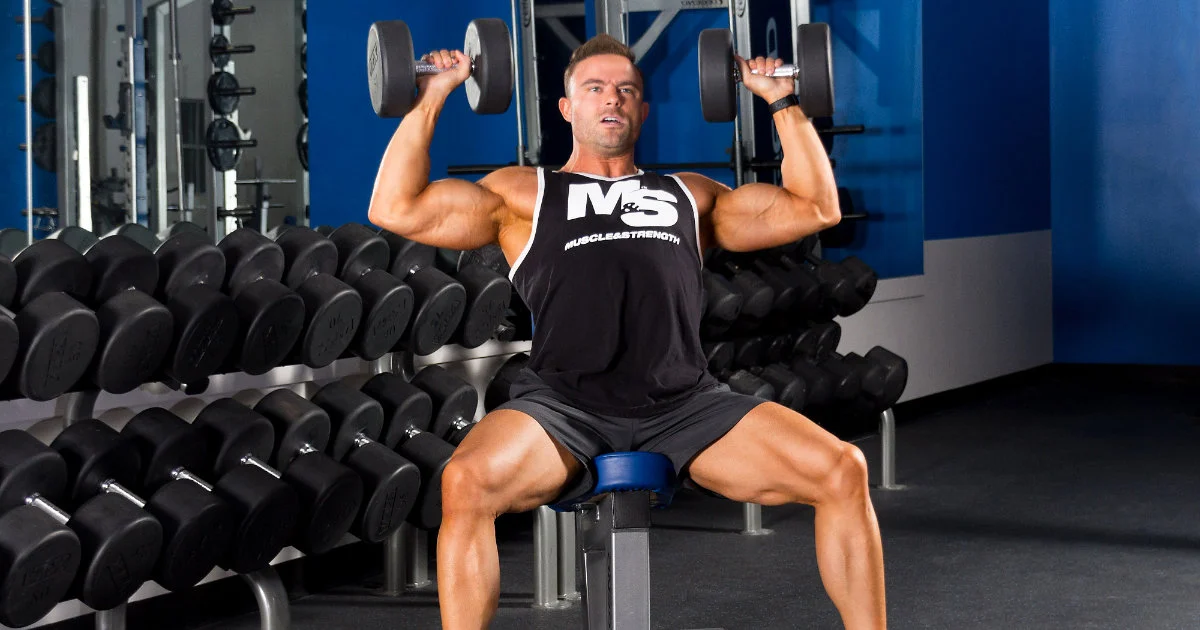
Bodybuilding isn’t just about lifting heavy weights or looking like a superhero. It’s a journey of discipline, self-discovery, and transformation that anyone can embark on, no matter their starting point. As a beginner, the gym can feel like an intimidating maze of machines, jargon, and jacked-up regulars. But here’s the truth: every bodybuilder, from Arnold Schwarzenegger to your local gym’s biggest guy, started as a newbie. This guide will walk you through the essentials of starting bodybuilding, from crafting a workout plan to fueling your body and staying injury-free. With practical tips, real-world examples, and a sprinkle of encouragement, you’ll be ready to take your first steps toward a stronger, healthier you.
Why Bodybuilding? Understanding the Benefits
Bodybuilding is more than aesthetics; it’s a lifestyle that boosts physical and mental health. It builds strength, improves confidence, and teaches discipline that spills over into other areas of life. Whether your goal is to sculpt a physique, boost energy, or simply feel better in your skin, bodybuilding offers a structured path to get there.
Physical Health Perks
Lifting weights increases muscle mass, strengthens bones, and improves cardiovascular health when paired with proper nutrition. Studies show resistance training can reduce the risk of chronic diseases like diabetes and heart disease. It’s like giving your body a tune-up while carving out a stronger version of yourself.
Mental and Emotional Gains
The gym is a mental playground. Completing a tough workout releases endorphins, lifting your mood and reducing stress. For me, hitting the gym after a long day feels like pressing a reset button—suddenly, life’s problems seem smaller. Bodybuilding also fosters discipline, as sticking to a routine builds resilience and focus.
Setting Realistic Goals as a Beginner
Before you touch a dumbbell, define what you want from bodybuilding. Are you aiming to bulk up, tone up, or just get healthier? Clear goals keep you motivated and guide your training. When I started, I aimed to do a single pull-up—small, but it kept me showing up.
Short-Term vs. Long-Term Goals
Short-term goals, like mastering proper squat form in a month, build momentum. Long-term goals, like gaining 10 pounds of muscle in a year, give you direction. Write them down and revisit them regularly to stay on track.
Common Beginner Mistakes to Avoid
Newbies often try to lift too heavy too soon or skip rest days, risking injury or burnout. Progress is gradual—think marathon, not sprint. Patience is your best friend in the early stages.
Crafting Your Beginner Bodybuilding Workout Plan
A solid workout plan is the backbone of bodybuilding success. As a beginner, focus on consistency and form over intensity. A simple three-day-a-week plan targeting major muscle groups is enough to spark growth without overwhelming you.
The Importance of Compound Movements
Compound exercises like squats, deadlifts, bench presses, and pull-ups work multiple muscle groups at once, maximizing efficiency. They’re the foundation of any beginner program because they build strength and coordination fast. Start with light weights to nail the form before going heavier.
Sample 3-Day Beginner Workout Plan
Here’s a beginner-friendly plan to get you started. Adjust weights to your comfort level, and aim for 3 sets of 8–12 reps per exercise unless noted.
| Day | Muscle Groups | Exercises |
|---|---|---|
| Day 1 (Push) | Chest, Shoulders, Triceps | Bench Press, Overhead Press, Tricep Dips |
| Day 2 (Pull) | Back, Biceps | Pull-Ups (or Lat Pulldown), Barbell Rows, Bicep Curls |
| Day 3 (Legs) | Quads, Hamstrings, Calves | Squats, Romanian Deadlifts, Calf Raises |
Rest at least one day between workouts for recovery.
How to Progress Safely
Increase weights by 5–10% every 2–3 weeks if you can complete your sets with good form. This progressive overload principle drives muscle growth without risking injury. Track your lifts in a notebook or app to monitor progress.
Nutrition: Fueling Your Bodybuilding Journey
Diet is the unsung hero of bodybuilding, accounting for roughly 80% of your results. You can lift like a beast, but without proper nutrition, your muscles won’t grow. Think of food as the raw material for building your dream physique.
Macronutrients: The Building Blocks
Your diet should balance proteins, carbs, and fats. Protein repairs and builds muscle, carbs fuel your workouts, and fats support hormone production. Here’s a quick breakdown:
- Protein: Aim for 0.7–1 gram per pound of body weight daily (e.g., 120–170g for a 170-pound person). Sources: chicken, eggs, fish, tofu, whey protein.
- Carbohydrates: Provide energy for training. Go for complex carbs like oats, brown rice, and sweet potatoes. Aim for 2–3g per pound of body weight.
- Fats: Keep hormones like testosterone in check. Nuts, avocados, and olive oil are great. About 20–30% of your calories should come from fats.
Sample Meal Plan for Beginners
Here’s a daily meal plan for a 170-pound beginner aiming for muscle gain:
| Meal | Food | Macros (Approx.) |
|---|---|---|
| Breakfast | 3 eggs, 1 cup oatmeal, 1 banana | 40g P, 60g C, 15g F |
| Snack | Greek yogurt (1 cup), 1 oz almonds | 20g P, 10g C, 15g F |
| Lunch | Grilled chicken (6 oz), brown rice (1 cup), broccoli | 40g P, 50g C, 5g F |
| Pre-Workout | Whey protein shake, apple | 25g P, 30g C, 0g F |
| Dinner | Salmon (6 oz), sweet potato, asparagus | 35g P, 40g C, 10g F |
| Snack | Cottage cheese (1 cup), berries | 25g P, 15g C, 5g F |
Total: 185g protein, 205g carbs, 50g fats (2,200 calories). Adjust based on your needs.
Hydration and Supplements
Drink at least 8–10 cups of water daily to aid digestion and recovery. Supplements like whey protein, creatine (5g daily), and a multivitamin can fill gaps, but whole foods should be your focus. Creatine, for example, boosted my strength by about 10% after a month—small but noticeable.
Mastering Proper Form to Avoid Injuries
Bad form is a rookie mistake that can derail your progress with injuries. I once tweaked my back trying to deadlift like a pro on day one—lesson learned. Proper technique maximizes gains and keeps you safe.
Why Form Matters
Correct form ensures you’re targeting the right muscles and not stressing joints or ligaments. For instance, keeping your back straight during squats protects your spine while engaging your quads and glutes.
Tips for Learning Proper Form
- Work with a Trainer: A session or two with a certified trainer can teach you the basics.
- Watch Tutorials: YouTube channels like Athlean-X offer detailed form breakdowns.
- Start Light: Practice with light weights or even bodyweight to build muscle memory.
- Use Mirrors: Gym mirrors aren’t just for flexing—check your form in real-time.
Rest and Recovery: The Unsung Heroes of Muscle Growth
Muscles don’t grow in the gym; they grow when you rest. Skimping on sleep or skipping rest days is like trying to build a house without letting the cement dry. Aim for balance to see results.
The Role of Sleep
Sleep 7–9 hours nightly to allow muscle repair and hormone production. I noticed my lifts stalled when I was only getting 5 hours a night—sleep is non-negotiable.
Active Recovery and Rest Days
Take at least 1–2 rest days per week. Light activities like walking or yoga on rest days keep you moving without taxing your muscles. Foam rolling and stretching also reduce soreness.
Tracking Progress and Staying Motivated
Bodybuilding is a long game, and progress can feel slow. Tracking your journey keeps you motivated and shows how far you’ve come. When I started, photos and a lifting log reminded me of my gains on tough days.
Tools for Tracking Progress
- Training Log: Record weights, reps, and sets to monitor strength gains.
- Photos: Take weekly front, side, and back photos in consistent lighting.
- Measurements: Track body measurements (e.g., arm circumference) monthly.
- Apps: MyFitnessPal or Strong app can streamline tracking.
Staying Motivated
Set mini-milestones, like adding 5 pounds to your bench press. Celebrate small wins, and don’t obsess over the scale—muscle weighs more than fat. Joining a gym community or online forum can also keep you inspired.
Pros and Cons of Bodybuilding for Beginners
| Pros | Cons |
|---|---|
| Builds strength and confidence | Time-intensive (workouts + meal prep) |
| Improves overall health | Initial costs (gym, supplements) |
| Teaches discipline and routine | Risk of injury if form is poor |
| Customizable to all fitness levels | Can feel overwhelming at first |
Comparing Bodybuilding to Other Fitness Goals
| Aspect | Bodybuilding | General Fitness | Cardio-Based Training |
|---|---|---|---|
| Goal | Muscle growth and aesthetics | Overall health and stamina | Endurance and heart health |
| Workout Focus | Weightlifting, progressive overload | Mix of cardio, strength, flexibility | Running, cycling, HIIT |
| Diet Needs | High protein, calorie surplus | Balanced, moderate calories | Carb-heavy for energy |
| Time Commitment | 3–5 days/week, 1–2 hours/session | 3–4 days/week, 30–60 min/session | 3–5 days/week, 30–60 min/session |
People Also Ask (PAA) Section
What is bodybuilding for beginners?
Bodybuilding for beginners involves starting a structured strength training program focused on building muscle mass through weightlifting and proper nutrition. It emphasizes learning proper form, setting realistic goals, and maintaining consistency. Beginners should start with basic exercises and a balanced diet to support muscle growth safely.
How long does it take to see results in bodybuilding?
Visible results typically appear after 8–12 weeks of consistent training and nutrition, though strength gains may be noticeable sooner. Progress depends on factors like genetics, diet, and training intensity. Patience and tracking small wins, like increased reps, are key to staying motivated.
What are the best exercises for beginner bodybuilders?
Compound movements like squats, deadlifts, bench presses, and pull-ups are ideal for beginners because they target multiple muscle groups. These exercises build strength and coordination efficiently. Start with light weights and focus on form to maximize gains and minimize injury risk.
Where can I find bodybuilding workout plans?
Free workout plans are available on sites like Muscle & Fitness, Bodybuilding.com, or YouTube channels like Jeff Nippard’s. Many gyms offer beginner programs, and apps like Strong or Fitbod provide customizable plans. Always verify the credibility of sources before following.
What are the best tools for bodybuilding beginners?
Essential tools include a gym membership or home weights, a lifting belt for heavy lifts, and a tracking app like MyFitnessPal. Supplements like whey protein and creatine are helpful but optional. A water bottle and comfortable workout gear round out the basics.
FAQ Section
How much protein do I need as a beginner bodybuilder?
Aim for 0.7–1 gram of protein per pound of body weight daily. For example, a 150-pound person needs 105–150 grams, spread across meals. Sources like chicken, eggs, and protein shakes are ideal.
Can I start bodybuilding without a gym?
Yes, bodyweight exercises like push-ups, squats, and planks can build muscle at home. Resistance bands or dumbbells are affordable additions. However, a gym provides more equipment for progressive overload.
How do I avoid injuries when starting bodybuilding?
Focus on proper form, start with light weights, and avoid overtraining. Work with a trainer or watch tutorials to learn technique. Warm-ups, stretching, and rest days also reduce injury risk.
Are supplements necessary for bodybuilding?
No, supplements aren’t mandatory. A balanced diet with whole foods covers most needs. However, whey protein, creatine, and multivitamins can support muscle growth and recovery if your diet falls short.
How often should I change my workout routine?
Switch exercises every 4–6 weeks to prevent plateaus and keep muscles challenged. For example, swap bench presses for dumbbell presses. Adjust based on progress and boredom levels.
Final Thoughts: Your Bodybuilding Journey Starts Now
Starting bodybuilding as a total beginner is like planting a seed—it takes time, care, and consistency to grow. Embrace the process, celebrate small victories, and don’t be afraid to make mistakes. My first squat was wobbly, and my diet was a mess, but showing up consistently turned me into someone who loves the gym. With the right plan, nutrition, and mindset, you’ll not only build muscle but also a stronger, more confident version of yourself. Grab a water bottle, lace up your shoes, and take that first step—you’ve got this.
External Links: Muscle & Fitness, Bodybuilding.com, Athlean-X YouTube