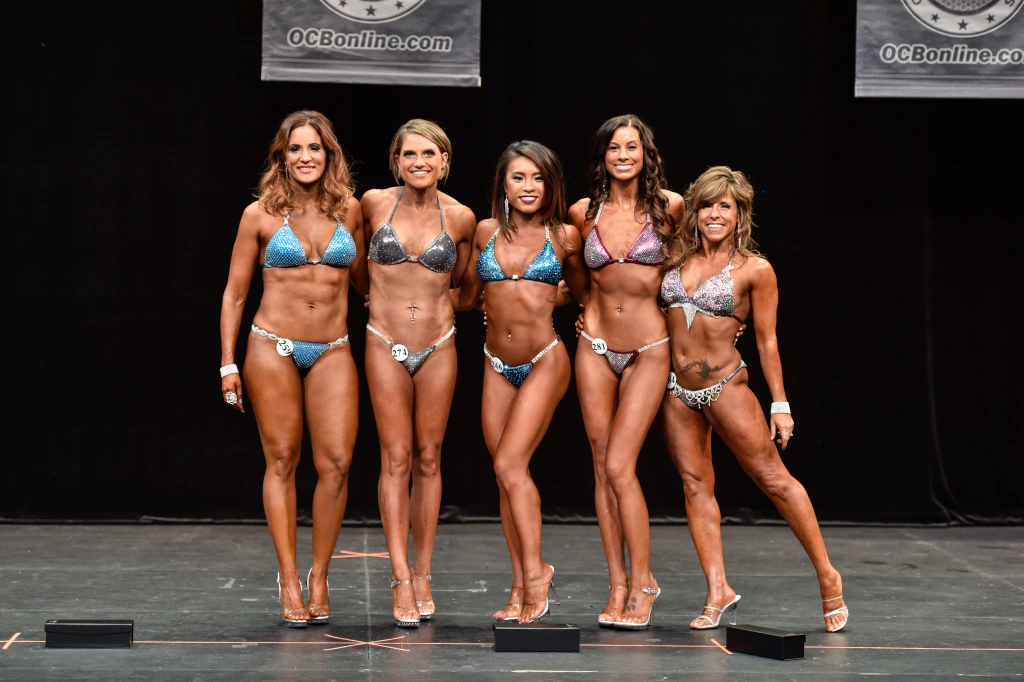
Stepping onto the stage at your first women’s fitness competition is like walking into a whirlwind of glitter, sweat, and pure adrenaline. You’ve spent months sculpting your physique, fine-tuning your diet, and practicing your poses in front of a mirror. Now, the big day is here, and you’re wondering: What’s it really like? Whether you’re competing in bikini, figure, physique, or wellness, this guide will walk you through every step of the experience, from preparation to post-competition recovery, with practical tips, personal insights, and a sprinkle of humor to keep those pre-stage jitters at bay. Let’s dive in and demystify the dazzling world of women’s fitness competitions.
Why Compete in a Women’s Fitness Competition?
The allure of a fitness competition isn’t just about strutting in a sparkly bikini—it’s a transformative journey that tests your discipline, builds confidence, and connects you with a vibrant community. Competing pushes you to redefine your limits, both physically and mentally, while showcasing your hard work under the bright stage lights. It’s not just about muscles; it’s about resilience and self-discovery.
The Appeal of Fitness Competitions
Women’s fitness competitions have exploded in popularity, offering categories like bikini, figure, physique, wellness, and fitness to suit diverse goals and body types. These events celebrate strength, femininity, and dedication, drawing women who want to challenge themselves in a supportive, empowering environment. Whether you’re a gym newbie or a seasoned lifter, there’s a division for you to shine.
Personal Growth and Community
Beyond the physical transformation, competing fosters mental toughness and camaraderie. You’ll meet other women who share your passion, forming bonds that last long after the stage lights dim. My friend Sarah, a first-time bikini competitor, once told me, “I thought I was signing up for a contest, but I found a sisterhood.” That’s the magic of the fitness community.
Choosing the Right Competition and Category
Selecting the right competition and category sets the foundation for your journey. With federations like the NPC, IFBB, and WBFF hosting events worldwide, you’ll need to research which aligns with your goals. Each category—bikini, figure, physique, wellness, or fitness—has unique judging criteria, so understanding them is key.
Understanding Competition Categories
Here’s a quick breakdown of the main women’s fitness competition categories to help you choose:
- Bikini: Ideal for beginners, focusing on a balanced, toned physique with moderate muscle definition. Judges prioritize stage presence and overall appearance.
- Figure: Requires more muscle development than bikini, emphasizing symmetry and a polished look. Think sculpted but still feminine.
- Physique: A step up in muscularity, with a focus on symmetry, proportion, and tone. Posing is similar to bodybuilding but softer.
- Wellness: Perfect for women with athletic builds and more lower-body mass. Less emphasis on extreme leanness, more on health and balance.
- Fitness: Combines physique with a performance routine (dance, gymnastics, or strength moves). Great for those with a cheerleading or dance background.
- Bodybuilding: The most muscular division, showcasing extreme definition and size. No heels here—just pure power.
This table compares the categories for clarity:
| Category | Muscle Focus | Posing Style | Best For |
|---|---|---|---|
| Bikini | Moderate, toned | Model-like, glamorous | Beginners, balanced physiques |
| Figure | Defined, symmetrical | Structured poses | Intermediate, sculpted look |
| Physique | Muscular, athletic | Bodybuilding-style | Advanced, strong symmetry |
| Wellness | Athletic, fuller lower body | Relaxed, natural poses | Athletic builds, less extreme dieting |
| Fitness | Lean, athletic | Routine-based | Performers with dynamic skills |
| Bodybuilding | Maximum muscle, definition | Complex, no heels | Elite, highly muscular competitors |
Picking the Right Federation
Federations like the National Physique Committee (NPC), International Federation of Bodybuilding and Fitness (IFBB), and World Beauty Fitness & Fashion (WBFF) each have unique vibes. NPC and IFBB focus on physique and structure, while WBFF emphasizes glamour and stage production. Research local shows (like the NPC’s Sin City Showdown on August 23, 2025, in Las Vegas) to find a beginner-friendly event.
Preparing for Your First Competition
Preparation is where the real work happens—think of it as building a house before decorating it for the big reveal. Most competitors need 12–20 weeks to prep, depending on their starting point. This phase involves training, nutrition, posing practice, and mental conditioning, all orchestrated with precision.
Crafting a Training Plan
Your training should blend strength, cardio, and recovery to sculpt your physique while preserving muscle. Focus on compound lifts (squats, deadlifts, bench presses) and isolation exercises to target specific muscles. For example, bikini competitors might emphasize glutes with hip thrusts, while physique athletes prioritize lats with pull-ups.
- Strength Training: Lift heavy to maintain muscle mass, using 4–5 sessions per week with splits like upper/lower or push/pull.
- Cardio: Start with moderate sessions (20–30 minutes of HIIT or steady-state) and adjust based on fat loss goals.
- Rest Days: Take at least one full rest day weekly to prevent burnout and injury.
Nutrition: Fueling Your Transformation
Nutrition is the backbone of contest prep. You’ll need a high-protein diet (1–1.5 grams per pound of body weight) to preserve muscle, paired with complex carbs (oats, sweet potatoes) and healthy fats (avocado, nuts). Hydration is non-negotiable—aim for a gallon of water daily.
- Sample Meal Plan:
- Breakfast: 4 egg whites, 1 whole egg, ½ cup oats, berries
- Lunch: 5 oz chicken breast, 1 cup brown rice, steamed broccoli
- Snack: Protein shake, 1 tbsp almond butter
- Dinner: 5 oz salmon, 1 medium sweet potato, asparagus
- Evening: Greek yogurt with a sprinkle of chia seeds
Posing Practice: Your Stage Superpower
Posing is your chance to shine, but it’s not as simple as flexing in front of a mirror. Each category has specific poses, like the quarter-turns in bikini or mandatory poses in physique. Start practicing 8–12 weeks out with a posing coach to nail transitions and highlight your strengths.
Mental Preparation: Building Confidence
The mental game is just as crucial as the physical. Visualize your stage walk daily, set small goals, and lean on your support system. Sarah, my friend, used to repeat, “I’m here to show up, not show off,” to calm her nerves. Meditation and journaling can also keep stress in check.
Competition Day: What to Expect
The big day is a mix of excitement, nerves, and a whole lot of spray tan. Arrive early, pack smart, and brace yourself for a whirlwind of activity. Here’s a step-by-step look at what goes down.
Pre-Competition Check-In
Most competitions require you to check in early—sometimes the day before. You’ll get your competitor number, confirm your category, and meet other athletes. This is also when you’ll scope out the venue and get a feel for the vibe.
Backstage Prep: Tanning, Hair, and Makeup
Expect to be slathered in tanning solution to enhance muscle definition—book a professional to avoid streaks. Hair and makeup should be bold yet polished; think dramatic eyes and a sleek updo. Backstage, you’ll use resistance bands or light weights for a quick pump-up before hitting the stage.
On Stage: Showtime!
Your moment under the lights will feel both eternal and fleeting. You’ll perform your stage walk or poses, often in a group for comparisons. Judges assess symmetry, muscle definition, and presentation. Smile, make eye contact, and own your space—confidence is key.
- Pro Tip: Practice your walk in heels (bikini and figure competitors often wear 4-inch heels) to avoid wobbling. Glue your suit bottoms to stay secure!
Post-Stage: Waiting for Results
After your stage time, you’ll wait for the judges’ scores. Some shows have a pre-judging round in the morning and a finals show in the evening, where top competitors perform again. Use this time to hydrate, snack lightly, and connect with fellow athletes.
Costs and Logistics: Planning Ahead
Fitness competitions aren’t cheap, and planning is crucial to avoid surprises. Budget for coaching, suits, tanning, travel, and registration fees. Here’s a breakdown:
| Expense | Estimated Cost | Notes |
|---|---|---|
| Coaching (nutrition/posing) | $100–$300/month | Essential for beginners |
| Competition Suit | $100–$500 | Custom suits enhance stage presence |
| Tanning | $50–$150 | Professional tanning is a must |
| Registration Fees | $50–$200 | Varies by federation and event |
| Travel/Hotel | $100–$500+ | Depends on location |
| Hair/Makeup | $50–$200 | Professional services recommended |
Packing Checklist
- Competition suit and backup
- Clear heels (if required)
- Resistance bands for pump-up
- Snacks (rice cakes, protein bars)
- Water bottle and electrolytes
- Makeup touch-up kit
- Towels for tanning residue
Pros and Cons of Competing
Like any big commitment, fitness competitions have highs and lows. Here’s a balanced look:
Pros:
- Builds discipline and mental toughness
- Creates a supportive community
- Showcases your physical transformation
- Boosts confidence and self-esteem
Cons:
- High financial cost
- Intense time commitment
- Potential for disordered eating if not managed properly
- Physical and mental fatigue during prep
Post-Competition: Recovery and Reflection
The post-competition phase is just as important as prep. Your body and mind need time to recover, especially after extreme dieting. This is where reverse dieting comes in—gradually increasing calories to stabilize your metabolism and avoid rapid weight gain.
Reverse Dieting: Why It Matters
After weeks of calorie restriction, your metabolism adapts to conserve energy. Adding calories too quickly can lead to fat gain. Start by increasing carbs and fats by 2–5% weekly, as advised by your coach, and monitor weight changes. A 2017 study found that reverse dieting helps regulate hormones like leptin and estradiol, which can be disrupted during prep.
Emotional Recovery
Post-competition blues are real. You might feel elated, disappointed, or even lost without the structure of prep. Take time to celebrate your achievement, regardless of placement. Journal your experience or talk to a coach to process emotions.
Planning Your Next Steps
Reflect on what worked and what didn’t. Did you love the bikini division, or are you eyeing physique next? Many competitors use their first show as a learning experience, tweaking their approach for future events. Connect with your coach to set new goals.
People Also Ask (PAA)
Here are real questions from Google’s PAA section, answered concisely:
What should I eat before a fitness competition?
Focus on lean proteins, complex carbs, and minimal fats 1–2 days before. Example: chicken, rice, and steamed veggies. Avoid sodium-heavy or bloating foods. Hydrate consistently but reduce water slightly the night before to minimize bloating.
How long does it take to prepare for a women’s fitness competition?
Most competitors need 12–20 weeks, depending on their starting fitness level. Beginners should aim for 16–20 weeks to build muscle, lose fat, and perfect posing.
What do judges look for in women’s fitness competitions?
Judges assess muscle definition, symmetry, proportion, and stage presence. Each category has specific criteria—bikini emphasizes charisma, while physique focuses on muscularity. Research your federation’s guidelines.
How much does it cost to compete in a fitness competition?
Costs range from $500–$2,000+, covering coaching, suits, tanning, registration, and travel. Budget wisely and prioritize professional services like tanning and coaching.
FAQ Section
Q: Can beginners compete in fitness competitions?
A: Absolutely! Categories like bikini and wellness are beginner-friendly, requiring less extreme muscularity. Start with a local show and work with a coach for guidance.
Q: How do I find a good competition coach?
A: Look for certified coaches with experience in your chosen federation (e.g., NPC, IFBB). Check testimonials, schedule consultations, and ensure their approach aligns with your goals.
Q: What’s the biggest mistake first-time competitors make?
A: Cutting prep time too short. Allow 12–20 weeks to avoid rushing and preserve muscle mass. Overdoing cardio or choosing the wrong suit cut are also common pitfalls.
Q: How do I handle stage fright?
A: Practice posing daily to build confidence. Visualize your stage walk, use deep breathing techniques, and lean on your support system to calm nerves.
Q: Where can I find competition suits?
A: Shop from reputable brands like Angel Competition Bikinis or check federation-approved vendors. Ensure the suit fits well and complements your physique.
Final Thoughts
Your first women’s fitness competition is more than a single day on stage—it’s a journey of grit, growth, and glitter. From the months of prep to the moment you step under the lights, you’ll discover strengths you never knew you had. Embrace the nerves, trust your training, and savor the experience. Whether you’re aiming for a trophy or simply to prove something to yourself, the stage is yours to conquer. Ready to start? Check out local shows through federations like the NPC (npcnewsonline.com) or connect with a coach at sites like The Swole Kitchen for personalized guidance. Your transformation starts now—go shine!