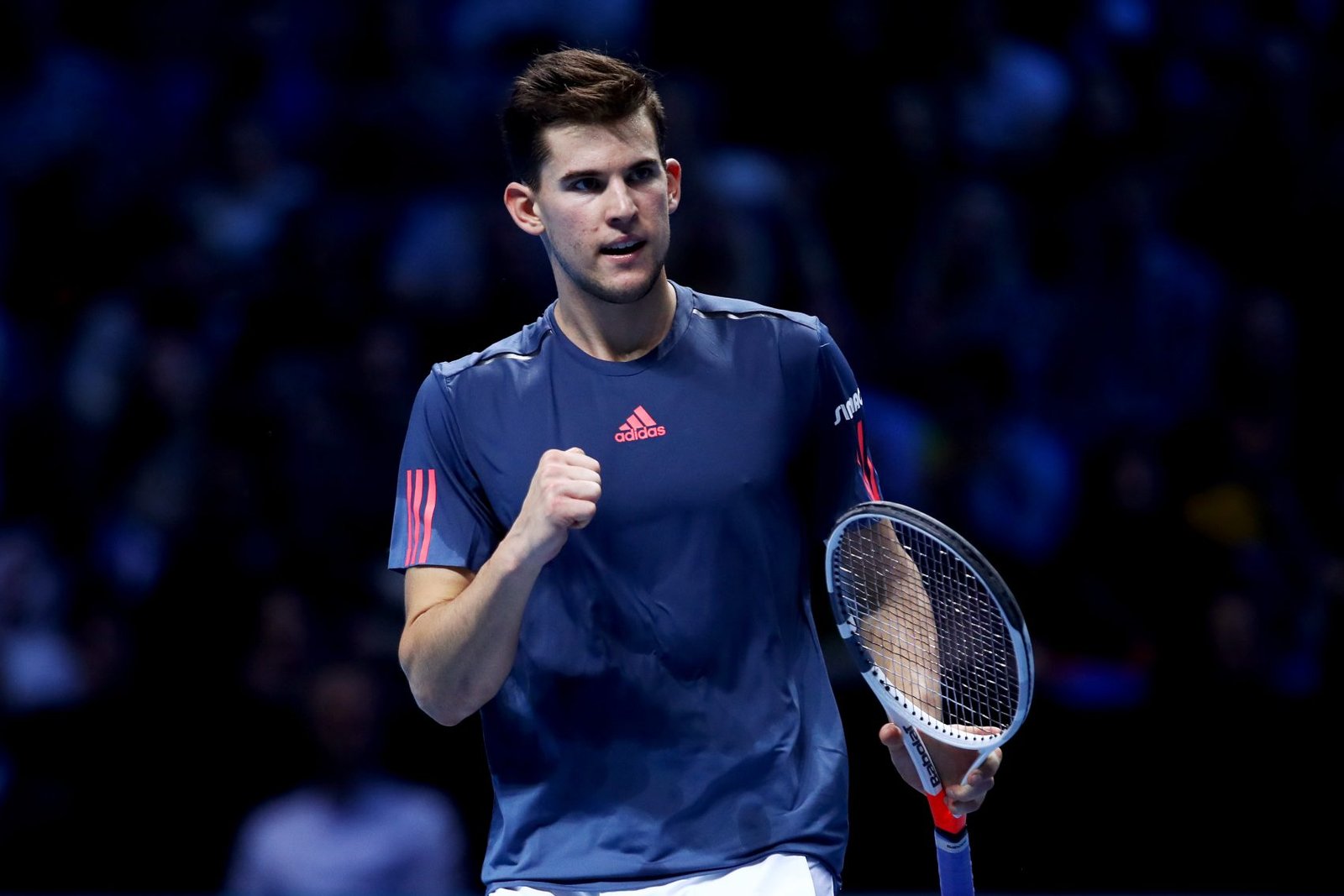
Tennis is more than a sport—it’s a saga of grit, grace, and glory played out on courts of clay, grass, and hard surfaces. The debate over the greatest men’s tennis players of all time is as fierce as a fifth-set tiebreak at Wimbledon. From the elegant strokes of Rod Laver to the relentless dominance of Novak Djokovic, the sport has seen legends who’ve redefined what’s possible with a racket and a ball. In this article, we’ll dive into the top 10 greatest men’s tennis players, ranked by their achievements, impact, and legacy. Whether you’re a die-hard fan or just curious about tennis history, this list will serve up a blend of stats, stories, and insights to satisfy your curiosity.
Why Ranking the Greatest Tennis Players Matters
Ranking tennis players across eras is like comparing a vintage wine to a modern craft beer—both are exceptional, but the context differs. The sport has evolved from wooden rackets to high-tech gear, from amateur circuits to global mega-events. Yet, the pursuit of greatness remains constant. This list considers Grand Slam titles, weeks at No. 1, versatility, rivalries, and cultural impact to crown the top 10.
1. Novak Djokovic: The Relentless Champion
Novak Djokovic, the Serbian maestro, sits atop the tennis throne with a record 24 Grand Slam singles titles as of 2025. His ability to dominate on all surfaces—10 Australian Opens, 7 Wimbledons, 4 US Opens, and 3 French Opens—sets him apart. Djokovic’s athleticism, mental toughness, and adaptability make him a nightmare for opponents.
A Career of Unmatched Consistency
Djokovic’s 428 weeks at world No. 1 is an ATP record, reflecting his longevity at the sport’s pinnacle. His 2015–2016 non-calendar Grand Slam (winning four consecutive majors across two years) is a feat only he has achieved in the Open Era. Beyond stats, his comeback from a 2011 celiac diagnosis transformed him into a global icon. I remember watching his 2012 Australian Open final against Nadal—a nearly six-hour epic that left me in awe of his endurance.
Key Achievements
- Grand Slams: 24 (record for men)
- Weeks at No. 1: 428 (ATP record)
- Career Golden Masters: First man to win all nine ATP Masters 1000 events
- Head-to-Head Edge: Leads Nadal (30-29) and Federer (27-23)
Pros: Unparalleled consistency, versatility across surfaces, mental fortitude.
Cons: Polarizing off-court persona, occasional controversies (e.g., 2022 Australian Open visa issue).
2. Rafael Nadal: The King of Clay
Rafael Nadal, Spain’s bull of tenacity, redefined clay-court tennis with a record 14 French Open titles. His 22 Grand Slams, including 2 Australian Opens, 2 Wimbledons, and 4 US Opens, showcase his versatility. Nadal’s topspin-heavy forehand and never-say-die attitude make him a fan favorite.
The Heart of a Warrior
Nadal’s 81-match win streak on clay (2005–2007) is the longest single-surface streak in the Open Era. His 2008 Wimbledon final against Federer, a 4-hour-48-minute thriller, is often called the greatest match ever played. I’ve seen Nadal grind through injuries, like his 2022 French Open win despite chronic foot pain, and it’s hard not to admire his resilience.
Key Achievements
- Grand Slams: 22
- Weeks at No. 1: 209
- Olympic Gold: Singles (2008), Doubles (2016)
- Clay-Court Records: 14 French Opens, 81-match win streak
Pros: Unmatched on clay, fierce competitiveness, sportsmanship.
Cons: Injury-prone, less dominant on hard courts compared to rivals.
3. Roger Federer: The Maestro of Elegance
Roger Federer, the Swiss legend, is often hailed as the most graceful player ever. His 20 Grand Slam titles, including a record 8 Wimbledons, and 310 weeks at No. 1 cement his legacy. Federer’s fluid style and sportsmanship made him a global ambassador for tennis.
A Legacy Beyond Numbers
Federer’s 2003–2008 prime was a masterclass in precision, with 12 Grand Slams in five years. His 2009 French Open win completed a Career Grand Slam, silencing critics who doubted his clay-court prowess. Watching Federer’s 2017 Australian Open comeback at age 35 felt like witnessing art—pure, timeless, and inspiring.
Key Achievements
- Grand Slams: 20
- Weeks at No. 1: 310 (including 237 consecutive weeks)
- Wimbledon Record: 8 titles
- Olympic Medals: Doubles Gold (2008), Singles Silver (2012)
Pros: Elegant playstyle, global influence, longevity.
Cons: Weaker head-to-head against Nadal (16-24) and Djokovic (23-27).
4. Rod Laver: The Rocket of the 1960s
Rod Laver, the Australian icon, is the only player to win two calendar-year Grand Slams (1962, 1969). His 11 Grand Slam titles and 200 career titles (a record) reflect his dominance in an era of wooden rackets and amateur-professional divides.
A Pioneer of Total Tennis
Laver’s aggressive serve-and-volley game thrived on all surfaces. Banned from Grand Slams from 1963–1967 due to turning pro, he still amassed an unmatched legacy. His 1969 Grand Slam, achieved in the Open Era, is considered “sport’s Everest.” I can only imagine the roars at Wimbledon as Laver clinched his second Slam sweep.
Key Achievements
- Grand Slams: 11
- Calendar Grand Slams: 2 (1962, 1969)
- Career Titles: 200
- Davis Cup: 4 titles for Australia
Pros: Unprecedented Grand Slam sweeps, versatility.
Cons: Limited by era’s amateur-professional restrictions.
5. Pete Sampras: The Serve-and-Volley King
Pete Sampras, the American powerhouse, held the Grand Slam record (14) until Federer surpassed him in 2009. His 7 Wimbledon titles and 5 US Opens defined the 1990s. Sampras’ booming serve and relentless focus made him nearly unbeatable on fast courts.
A Quiet Legend
Sampras’ 2002 US Open win, his final match, was a poetic farewell, defeating rival Andre Agassi. His 6 consecutive years as year-end No. 1 is a record. Watching old clips of Sampras’ diving volleys, I’m reminded of a time when tennis felt like a gladiatorial duel.
Key Achievements
- Grand Slams: 14
- Weeks at No. 1: 286
- Wimbledon Titles: 7
- Year-End No. 1: 6 consecutive years
Pros: Dominant serve, clutch performer.
Cons: Never won French Open, limited clay-court success.
6. Björn Borg: The Ice Man
Björn Borg, Sweden’s stoic superstar, won 11 Grand Slams, including 5 consecutive Wimbledons and 6 French Opens, in just 10 years. His early retirement at 26 left fans wondering “what if?”
The Cool Competitor
Borg’s baseline game and unmatched fitness revolutionized tennis. His 1980 Wimbledon final against McEnroe, with its iconic 18–16 tiebreak, is a classic. I still get chills thinking of Borg’s calm demeanor under pressure, like he was playing chess while others played checkers.
Key Achievements
- Grand Slams: 11
- Weeks at No. 1: 109
- Consecutive Wimbledon Titles: 5
- French Open Titles: 6
Pros: Clay-grass versatility, mental toughness.
Cons: Short career, no US Open title.
7. John McEnroe: The Fiery Genius
John McEnroe, the American maverick, combined artistry with intensity, winning 7 Grand Slams and 77 career titles. His serve-and-volley mastery and fiery persona made him a fan favorite.
The Superbrat’s Brilliance
McEnroe’s 1984 season, with an 82–3 win-loss record, remains one of the best ever. His rivalry with Borg produced unforgettable matches. I recall watching McEnroe’s tantrums as a kid, half-shocked, half-entertained by his passion.
Key Achievements
- Grand Slams: 7
- Weeks at No. 1: 170
- Wimbledon Titles: 3
- Doubles Success: 9 Grand Slam doubles titles
Pros: Unmatched touch, doubles prowess.
Cons: Emotional volatility, no French Open title.
8. Andre Agassi: The Rebel with a Cause
Andre Agassi, the charismatic American, won 8 Grand Slams and completed a Career Grand Slam. His baseline game and return skills redefined modern tennis.
From Flash to Legend
Agassi’s 1992 Wimbledon win, on a surface he wasn’t favored to conquer, was a turning point. His 1996 Olympic gold added to his legacy. I remember his flashy outfits and mullet—Agassi brought rock-star energy to tennis.
Key Achievements
- Grand Slams: 8
- Weeks at No. 1: 101
- Career Grand Slam: Completed in 1999
- Olympic Gold: 1996
Pros: Versatile, charismatic, transformative.
Cons: Inconsistent early career, injury struggles.
9. Ivan Lendl: The Powerhouse of the 1980s
Ivan Lendl, the Czech-born titan, dominated the 1980s with 8 Grand Slams and 270 weeks at No. 1. His work ethic and powerful groundstrokes set a new standard.
The Blueprint for Modern Tennis
Lendl’s fitness regimen and baseline dominance influenced players like Agassi. His 1985 US Open win over McEnroe was a passing of the torch. I admire Lendl’s quiet intensity—he let his racket do the talking.
Key Achievements
- Grand Slams: 8
- Weeks at No. 1: 270
- Career Titles: 94
- French Open Titles: 3
Pros: Pioneered fitness focus, consistent.
Cons: Never won Wimbledon.
10. Jimmy Connors: The Gritty Showman
Jimmy Connors, the American firebrand, won 8 Grand Slams and holds the Open Era record for 109 singles titles. His relentless energy and longevity made him a legend.
The People’s Champion
Connors’ 1974 season, winning 3 Grand Slams, was a masterclass in aggression. His 1991 US Open semifinal run at age 39 captivated fans. I can still picture Connors pumping up crowds, turning matches into spectacles.
Key Achievements
- Grand Slams: 8
- Weeks at No. 1: 268
- Career Titles: 109
- US Open Titles: 5
Pros: Longevity, fan engagement.
Cons: Limited clay-court success.
Comparison Table: The Big Three vs. Historical Greats
| Player | Grand Slams | Weeks at No. 1 | Career Titles | Surface Versatility | Notable Rivalries |
|---|---|---|---|---|---|
| Djokovic | 24 | 428 | 98 | All surfaces | Nadal, Federer |
| Nadal | 22 | 209 | 92 | Clay, grass, hard | Federer, Djokovic |
| Federer | 20 | 310 | 103 | Grass, hard, clay | Nadal, Djokovic |
| Laver | 11 | N/A (pre-ATP) | 200 | All surfaces | Rosewall, Newcombe |
| Sampras | 14 | 286 | 64 | Grass, hard | Agassi, Rafter |
People Also Ask (PAA)
Who has the most Grand Slam titles in men’s tennis?
Novak Djokovic holds the record with 24 Grand Slam singles titles, surpassing Rafael Nadal (22) and Roger Federer (20).
Is Roger Federer still the greatest despite fewer Slams?
Federer’s elegance, 8 Wimbledon titles, and global impact keep him in the GOAT conversation, but Djokovic’s superior stats and head-to-head edge give the latter the top spot.
Why is Rod Laver considered so great?
Laver’s two calendar Grand Slams (1962, 1969) and 200 career titles, despite missing five years of Grand Slams due to professional bans, make him a legend.
How do you compare players from different eras?
Comparing eras involves weighing Grand Slam titles, weeks at No. 1, surface versatility, and competition strength. Modern players benefit from better technology and longer careers, but earlier players like Laver faced unique challenges.
Where to Learn More About Tennis Legends
For deeper dives into tennis history, visit the International Tennis Hall of Fame or explore ATP’s official rankings at atptour.com. Books like Open by Andre Agassi or The Outsider by Jimmy Connors offer personal insights into their journeys.
Best Tools for Following Tennis
- Tennis TV: Stream live ATP matches and replays.
- UTR Sports App: Track player rankings and compare stats.
- Flashscore: Real-time scores and tournament updates.
FAQ
Who is the greatest men’s tennis player of all time?
Novak Djokovic is widely regarded as the greatest due to his 24 Grand Slams, 428 weeks at No. 1, and versatility across surfaces. However, fans of Federer and Nadal argue for their elegance and clay-court dominance, respectively.
Why isn’t Andy Murray in the top 10?
Murray’s 3 Grand Slams and 2 Olympic golds are impressive, but his total titles (46) and weeks at No. 1 (41) fall short of the top 10’s consistency and volume of achievements.
How important are head-to-head records in rankings?
Head-to-heads, like Nadal’s 24–16 edge over Federer, add context but aren’t definitive. Surface preferences, age differences, and match conditions also matter.
Can modern players be compared to pre-Open Era players?
Yes, but with nuance. Pre-Open Era players like Laver faced amateur-professional splits, while modern players benefit from advanced training. Grand Slam titles and impact provide common ground.
What makes a tennis player “great”?
Greatness combines titles (especially Grand Slams), longevity, versatility, rivalries, and cultural impact. Players like Federer and Williams transcended the sport with their charisma and influence.
Conclusion: The Eternal Debate
The greatest men’s tennis players aren’t just defined by numbers—they’re shaped by moments that linger in our hearts. Djokovic’s relentless pursuit, Nadal’s clay-court reign, Federer’s elegance, and Laver’s historic sweeps each tell a unique story. Whether you’re cheering for the stats or swayed by style, tennis’s beauty lies in its diversity of champions. Who’s your GOAT? Share your thoughts below, and let’s keep the rally going!