Imagine a world where your morning coffee is brewed by a robotic barista, your groceries are delivered by a self-driving van, and your doctor’s appointment involves a robot assisting with surgery. This isn’t science fiction—it’s the future, and it’s closer than you think. Robots, once confined to factory floors and sci-fi novels, are now reshaping industries, homes, and societies. In this article, we’ll explore how robots are poised to transform our world, from boosting productivity to raising ethical questions, and what it means for you and me. Drawing from my own fascination with technology and years of observing its evolution, I’ll break down the opportunities, challenges, and real-world examples that show robots are more than just machines—they’re partners in our future.
The Robotics Revolution: Where We Are Today
Robots have already woven themselves into the fabric of modern life, often in ways we barely notice. From the robotic arms assembling cars to the Roomba vacuuming your living room, they’re here, quietly making things happen. The global robotics market is projected to hit $260 billion by 2030, driven by advances in artificial intelligence (AI), machine learning, and connectivity.
Defining Robots: Beyond Sci-Fi Stereotypes
When most people hear “robot,” they picture a shiny, humanoid figure straight out of a Hollywood blockbuster. But real-world robots are far more diverse—think drones, rovers, or even software bots managing your email spam. A robot is any programmable machine capable of performing tasks autonomously or semi-autonomously, often with AI to enhance decision-making.
Current Applications: Robots in Action
Robots are already transforming industries. In manufacturing, they weld, assemble, and package with precision. In healthcare, robotic arms assist in delicate surgeries. Even in agriculture, robots like automated harvesters are boosting efficiency. I once visited a warehouse where robots zipped around, sorting packages faster than any human could—it was like watching a perfectly choreographed dance.
Robots in Industry: Redefining Work
The industrial sector has been the cradle of robotics, and it’s where their impact is most profound. Factories worldwide are adopting robots to handle repetitive, dangerous, or precise tasks, freeing humans for more creative roles.
Manufacturing: The Heart of Automation
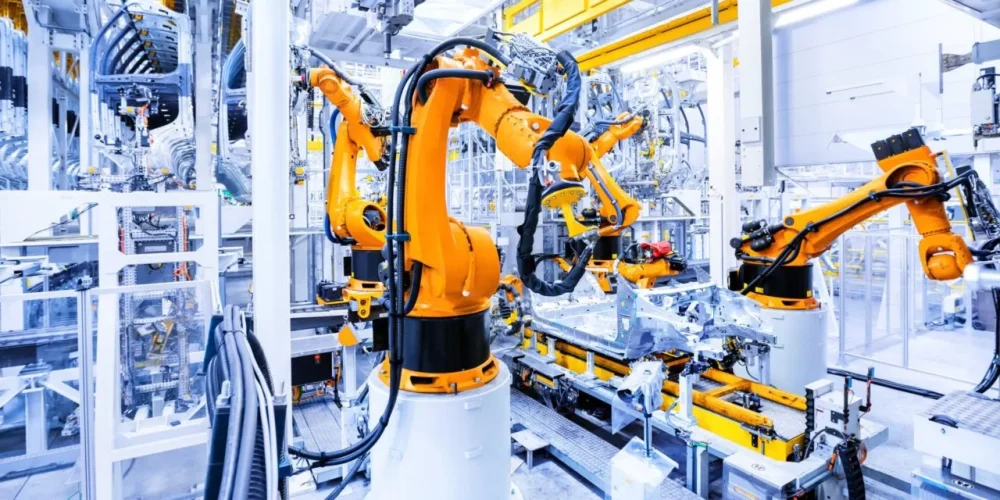
Industrial robots dominate manufacturing, performing tasks like welding, painting, and assembly. By 2030, the global stock of robots could reach 20 million, with 14 million in China alone. This surge boosts productivity but threatens up to 20 million manufacturing jobs, especially for low-skilled workers.
Logistics and Warehousing: Efficiency on Steroids
Ever wonder how Amazon delivers packages so fast? Robots. In their warehouses, AI-driven robots sort and transport goods, cutting down on human labor and errors. These machines don’t need coffee breaks, making them ideal for 24/7 operations. But this efficiency comes at a cost—fewer jobs for warehouse workers.
Agriculture: Farming the Future
Robots are revolutionizing agriculture, from planting seeds to harvesting crops. Drones monitor fields, while robotic arms sort produce. I recall a farmer friend showing me a video of a robot picking strawberries with uncanny precision—it’s a game-changer for labor-intensive farming.
Table: Robots in Key Industries
| Industry | Robot Applications | Benefits | Challenges |
|---|---|---|---|
| Manufacturing | Welding, assembly, packaging | Precision, speed, cost savings | Job displacement, high costs |
| Logistics | Sorting, transporting, inventory | 24/7 operation, reduced errors | Reduced human jobs, maintenance |
| Agriculture | Planting, harvesting, monitoring | Efficiency, reduced labor needs | Initial investment, training |
Robots in Everyday Life: From Homes to Hospitals
Beyond factories, robots are creeping into our homes, hospitals, and streets. They’re not just tools—they’re becoming companions, caregivers, and explorers.
Healthcare: Precision and Care
Robots in healthcare are a lifeline. Surgical robots, like the da Vinci system, perform minimally invasive procedures with precision human hands can’t match. In Japan, robots like Pepper assist in eldercare, reading emotions and providing companionship. My aunt, a nurse, once described a robotic assistant that helped lift patients, saving her back from strain.
Homes: Your Robotic Butler Awaits
From robot vacuums to AI-powered assistants like Alexa, robots are making homes smarter. By 2030, humanoid robots could handle chores like cooking or laundry. Imagine a robot folding your socks while you binge-watch your favorite show—sounds like a dream, right? But it raises questions about privacy and dependence.
Exploration: Going Where Humans Can’t
Robots like NASA’s Curiosity Rover explore Mars, collecting data humans couldn’t access. Closer to home, robots inspect disaster zones or nuclear sites, keeping humans out of harm’s way. I remember watching a documentary about a robot navigating Fukushima’s radioactive ruins—technology saving lives in ways we never imagined.
Pros and Cons of Robots in Everyday Life
- Pros:
- Enhanced safety in hazardous environments
- Increased efficiency in daily tasks
- Improved healthcare outcomes
- Cons:
- Privacy concerns with AI integration
- Potential job losses in service sectors
- High initial costs for consumers
The Economic Impact: Growth vs. Disruption
Robots are a double-edged sword for the economy. They drive growth but also disrupt livelihoods, creating a divide between opportunity and inequality.
Boosting Productivity and GDP
Robots increase productivity, potentially boosting global GDP by 5.3% by 2030 if adoption accelerates. Companies save costs, produce more, and innovate faster. This could lead to new industries and jobs we can’t yet imagine—think robot maintenance technicians or AI ethics consultants.
Job Displacement: The Human Cost
Here’s the tough part: robots could displace 20 million manufacturing jobs by 2030, hitting low-skilled workers hardest. Regions like the Rust Belt or rural areas face greater risks. I met a factory worker who lost his job to automation—it’s a stark reminder that progress isn’t painless. Reskilling is critical, but not everyone has access.
The Reskilling Challenge
To stay relevant, workers need new skills—think coding, robotics, or emotional intelligence for roles robots can’t touch. Programs like online IT degrees or coding bootcamps are popping up to bridge the gap. If you’re looking to pivot, platforms like Coursera or Udemy offer affordable courses to get started.
Comparison: Jobs Gained vs. Jobs Lost
| Aspect | Jobs Gained | Jobs Lost |
|---|---|---|
| Sectors | Tech, robotics, creative industries | Manufacturing, warehousing, retail |
| Skill Level | High-skilled, STEM-focused | Low to middle-skilled, manual tasks |
| Examples | AI developers, robot technicians | Assembly line workers, packers |
Ethical and Social Implications: A Brave New World?
As robots become ubiquitous, they raise questions about ethics, privacy, and what it means to be human. It’s not just about technology—it’s about our values.
Privacy and Surveillance
Robots with AI, like smart home devices, collect data constantly. Who controls that data? A friend once joked that his smart speaker “knows more about me than my mom does.” It’s funny until you realize companies could misuse that information. Transparent regulations are essential.
Ethical Dilemmas: Who’s Responsible?
If a robot causes an accident—say, a self-driving car crash—who’s liable? The manufacturer? The programmer? The owner? These legal gray areas need clear answers. I recall a news story about a robot-assisted surgery gone wrong, sparking heated debates about accountability.
Human-Robot Coexistence
Robots like Moxie, designed to teach kids social skills, show how machines can complement human abilities. But there’s a catch: over-reliance could erode human connection. Will we become too dependent on robots, like kids glued to screens? It’s a question worth pondering.
The Future of Robotics: What’s Next?
By 2050, robots could be as common as smartphones, reshaping how we live, work, and play. Let’s peek into what’s coming.
Autonomous Vehicles: Redefining Travel
Self-driving cars could hit major cities by the 2030s, reducing emissions and accidents. Companies like Tesla and Waymo are leading the charge. Imagine commuting while reading a book instead of fighting traffic—sounds like a win, but it could disrupt millions of driving jobs.
Humanoid Robots: Companions or Competitors?
Humanoid robots like Ameca, with lifelike expressions, could become household assistants or coworkers. They’re exciting but eerie—can they truly understand human emotions? I saw a demo of Ameca at a tech expo, and its uncanny smile left me both amazed and unsettled.
Space and Beyond: Robots as Pioneers
Robots will play a huge role in space exploration, from building lunar bases to mining asteroids. Harvard’s autonomous robots for lunar repairs are already in development. The idea of robots colonizing space before humans is both thrilling and humbling.
Table: Future Robotics Trends
| Trend | Description | Potential Impact |
|---|---|---|
| Autonomous Vehicles | Self-driving cars, delivery drones | Safer travel, job displacement |
| Humanoid Robots | Companions, assistants | Enhanced daily life, ethical concerns |
| Space Exploration | Lunar bases, asteroid mining | New frontiers, economic growth |
People Also Ask (PAA) Section
Here are answers to common questions about robots, drawn from real Google searches:
How will robots affect jobs in the future?
Robots will automate repetitive tasks, potentially displacing 20 million manufacturing jobs by 2030. However, they’ll also create new roles in tech, maintenance, and creative fields. Reskilling is key to staying employable.
What are the benefits of robots in society?
Robots improve efficiency, safety, and precision in industries like healthcare, manufacturing, and exploration. They can handle dangerous tasks, reduce human error, and enhance productivity, making life easier and safer.
Will robots take over the world?
A full robot takeover is unlikely. Experts predict robots will remain tools, not overlords, enhancing human capabilities rather than replacing us. Ethical guidelines and regulations will help manage their role.
How can I learn about robotics?
Start with online courses on platforms like Coursera, edX, or FutureLearn, which offer robotics and AI programs. Hands-on kits like Arduino or Raspberry Pi are great for beginners. Local maker spaces also provide practical experience.
Tools and Resources for Embracing Robotics
Want to dive into robotics? Here are some top tools and platforms to get started:
- Arduino: Affordable microcontroller for building simple robots.
- Raspberry Pi: Versatile for AI-driven robotics projects.
- ROS (Robot Operating System): Open-source framework for robot programming.
- Coursera/edX: Online courses for robotics and AI skills.
- Boston Dynamics’ Spot SDK: For advanced developers experimenting with robotic applications.
Check out xAI’s API for integrating AI into your robotics projects, or explore FutureLearn’s robotics courses for structured learning.
FAQ Section
Q: Will robots replace humans entirely in some industries?
A: While robots will automate many tasks, total replacement is unlikely. Jobs requiring creativity, emotional intelligence, or complex decision-making—like teaching or therapy—will still need humans. Collaboration is the future.
Q: Are robots safe to use in homes?
A: Most home robots, like vacuums or assistants, are designed with safety in mind. However, privacy concerns arise with data collection. Choose devices from reputable brands and review their privacy policies.
Q: How can businesses adopt robotics?
A: Businesses can start by assessing tasks suitable for automation, like repetitive manufacturing or logistics processes. Invest in training and consult firms like Robotics 24/7 for tailored solutions.
Q: What ethical issues do robots raise?
A: Key issues include job displacement, privacy, and accountability for errors. Governments and companies must establish clear regulations to address liability and ensure fair data use.
Q: How can I prepare for a robotics-driven future?
A: Learn skills like coding, AI, or robotics through online platforms. Stay adaptable, focus on uniquely human skills like creativity, and explore emerging fields like robot maintenance or AI ethics.
Conclusion: Embracing the Robotic Future
Robots are no longer a distant dream—they’re here, reshaping our world with every beep and whir. They promise efficiency, safety, and new possibilities, but they also challenge us to adapt, reskill, and rethink our values. Whether it’s a robot assisting in surgery, exploring Mars, or vacuuming your floor, the future is a collaboration between humans and machines. So, let’s embrace it with curiosity and caution, ensuring robots enhance our lives without overshadowing what makes us human. Want to stay ahead? Start learning about robotics today—your future self (and maybe your robot butler) will thank you.