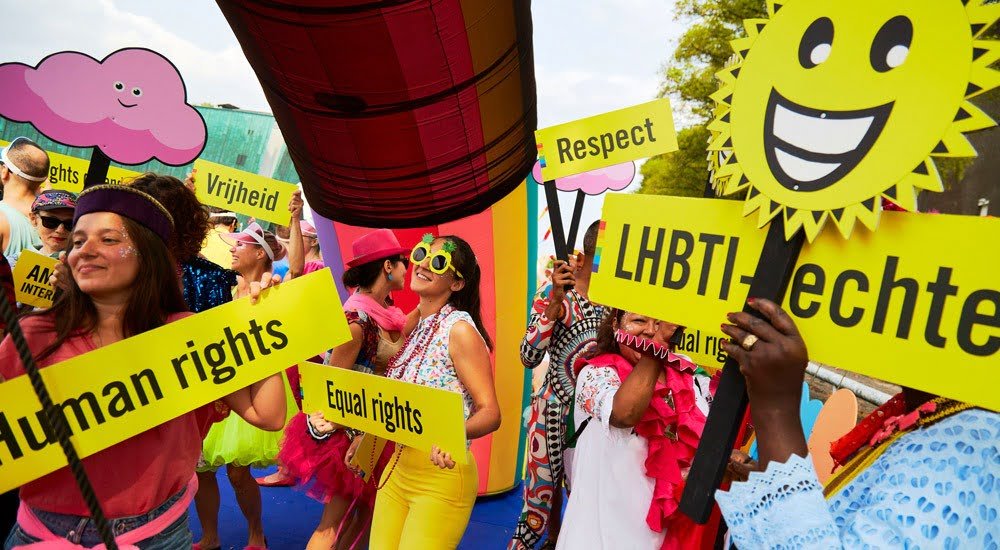
Introduction to Social Change Movements
Social change movements are the heartbeat of progress, driven by ordinary people who dare to dream of a better world. From fighting racial injustice to advocating for environmental sustainability, these movements reshape societies, challenge norms, and give voice to the marginalized. In this article, we’ll explore nine powerful social change movements that have left an indelible mark on history and continue to inspire action today. Whether you’re looking to learn, get involved, or support these causes, this guide will provide a deep dive into their origins, impacts, and how you can contribute.
What Makes a Social Change Movement Powerful?
A powerful social change movement doesn’t just spark conversation—it ignites action that reshapes laws, cultures, and lives. These movements are fueled by collective passion, strategic organization, and a clear vision for justice. They often emerge from moments of injustice, rallying people to demand change through protests, advocacy, or grassroots efforts. What sets them apart is their ability to sustain momentum, even against fierce opposition, and create lasting impact.
The Role of Collective Action
Collective action is the engine of social change, uniting individuals around a shared goal. From marches to social media campaigns, these efforts amplify voices and pressure decision-makers. For example, the Montgomery Bus Boycott showed how coordinated action could dismantle segregation laws, proving that unity is strength.
The Power of Storytelling
Movements thrive on stories that resonate emotionally. When Emmett Till’s mother insisted on an open-casket funeral in 1955, the world saw the brutal reality of racism, galvanizing the Civil Rights Movement. Stories like these humanize issues and inspire action.
1. Civil Rights Movement
The Civil Rights Movement in the United States, peaking in the 1950s and 1960s, fought to end racial segregation and discrimination against Black Americans. Led by figures like Dr. Martin Luther King Jr., it used nonviolent tactics like boycotts and sit-ins to challenge systemic racism. Its successes, including the Civil Rights Act of 1964, reshaped America’s legal and social landscape.
Key Moments and Leaders
The Montgomery Bus Boycott (1955–1956) and the March on Washington (1963) were pivotal, with Dr. King’s “I Have a Dream” speech becoming a global call for equality. Rosa Parks’ refusal to give up her bus seat sparked nationwide action, showing the power of individual courage.
Lasting Impact
The movement secured landmark legislation, like the Voting Rights Act of 1965, and inspired global human rights efforts. Its legacy continues to influence modern activism, reminding us that change is possible when people stand together.
2. Women’s Suffrage Movement
The Women’s Suffrage Movement fought for women’s right to vote, a battle that spanned decades and culminated in victories like the 19th Amendment in the U.S. in 1920. It challenged deeply entrenched gender norms and laid the groundwork for future feminist movements. Suffragists like Susan B. Anthony and Elizabeth Cady Stanton were relentless in their pursuit of equality.
Global Milestones
New Zealand led the way in 1893, granting women the right to vote in national elections. In the UK, the Suffragette movement’s bold protests, including hunger strikes, secured partial voting rights by 1918. These victories inspired women worldwide to demand political inclusion.
Why It Matters Today
The suffrage movement’s success opened doors for women in politics and leadership, but the fight for gender equality continues. Modern campaigns for equal pay and representation build on its foundation, proving its enduring relevance.
3. Anti-Apartheid Movement
South Africa’s Anti-Apartheid Movement dismantled a system of racial segregation that denied non-white citizens basic rights. From the 1940s to the 1990s, activists like Nelson Mandela endured imprisonment and persecution to end apartheid, achieving success with Mandela’s election as president in 1994. Global solidarity, including economic sanctions, was crucial to its victory.
Tactics and Triumphs
Protests, strikes, and international pressure, like divestment campaigns, weakened apartheid’s grip. The movement’s persistence led to the release of Mandela after 27 years in prison and the establishment of a democratic South Africa.
Lessons for Today
The movement showed how global collaboration can amplify local struggles. Its restorative justice approach, seen in the Truth and Reconciliation Commission, offers a model for healing divided societies.
4. Black Lives Matter
Born in 2013 after the acquittal of Trayvon Martin’s killer, Black Lives Matter (BLM) became a global movement against systemic racism and police brutality. Founded by Alicia Garza, Patrisse Cullors, and Opal Tometi, BLM uses social media and protests to demand justice. The 2020 murder of George Floyd reignited its momentum, sparking worldwide demonstrations.
Social Media’s Role
The hashtag #BlackLivesMatter has been used over 12 million times, making it one of the most impactful social media campaigns in history. It has amplified stories of injustice, like those of Breonna Taylor and Ahmaud Arbery, driving policy changes in some regions.
Challenges and Criticisms
BLM faces pushback, with some arguing it lacks a clear agenda. Yet, its decentralized structure allows local chapters to address specific issues, from police reform to economic equity, keeping the movement dynamic.
5. Me Too Movement
The Me Too Movement, sparked by Tarana Burke in 2006 and amplified in 2017 by allegations against Harvey Weinstein, empowered survivors of sexual assault to share their stories. It challenged powerful institutions and individuals, leading to accountability for high-profile figures and workplace reforms.
Global Reach
From Hollywood to corporate boardrooms, #MeToo inspired women worldwide to speak out. In Seattle, the Silence Breakers pushed for reforms at City Light, resulting in the creation of an Office of Employee Ombud to address workplace misconduct.
Ongoing Impact
The movement has led to stronger harassment laws and cultural shifts, but critics note that marginalized groups often face less attention. Its legacy is a reminder that empathy and collective action can break cycles of silence.
6. Environmental Movement
The Environmental Movement, gaining traction in the 1960s, addresses climate change, pollution, and biodiversity loss. Events like the 1969 Santa Barbara oil spill and the first Earth Day in 1970 catalyzed action, leading to the creation of the Environmental Protection Agency. Today, it tackles urgent issues like global warming.
Key Initiatives
The divestment campaign against fossil fuels, inspired by the anti-apartheid movement, has seen over 1,150 institutions commit to divesting $11 trillion. The Green New Deal pushes for sustainable jobs, blending environmental and economic goals.
Pros and Cons of the Movement
| Pros | Cons |
|---|---|
| Raises awareness of climate crises | Progress can be slow due to political resistance |
| Drives policy changes (e.g., EPA creation) | Greenwashing by corporations undermines efforts |
| Encourages sustainable lifestyles | Economic costs of transition can be high |
7. Gay Rights Movement
The Gay Rights Movement, sparked by the 1969 Stonewall Riots, fought for LGBTQ+ equality. Leaders like Brenda Howard and Harvey Milk championed visibility and legal protections, culminating in milestones like the legalization of same-sex marriage in the U.S. in 2015. It continues to advocate for global acceptance.
Milestones and Heroes
The first Pride parade in 1970, organized by Howard, marked a turning point. Milk’s election as San Francisco’s first openly gay official inspired political representation, despite his tragic assassination in 1978.
Current Challenges
While progress is evident, anti-LGBTQ+ legislation in some regions persists. The movement’s focus on intersectionality, addressing issues like transphobia, keeps it relevant and inclusive.
8. Ni Una Menos
Originating in Argentina in 2015, Ni Una Menos (“Not One Less”) combats gender-based violence, particularly femicide. Sparked by a journalist’s tweet about a woman’s murder, it mobilized 200,000 people in Buenos Aires and expanded to address issues like transphobia and reproductive rights.
Global Influence
The movement’s Black Wednesday protest in 2016 highlighted the urgency of ending violence against women. It has inspired similar campaigns across Latin America, emphasizing solidarity and policy reform.
Why It Resonates
Ni Una Menos connects deeply with communities by addressing universal issues of safety and dignity. Its grassroots approach shows how local action can spark global change.
9. March for Our Lives
Following the 2018 Parkland school shooting, March for Our Lives was founded by students demanding gun control. Their Washington, D.C., march drew 1.2–2 million people, one of the largest protests in U.S. history. The movement continues to push for stricter gun laws and youth voter engagement.
Youth-Led Activism
Students like Emma González and David Hogg became powerful voices, using social media to organize and inspire. Their “Road to Change” tour boosted voter registration for the 2018 midterms.
Impact and Future
The movement has influenced state-level gun reforms, like red flag laws, but faces resistance from pro-gun groups. Its focus on youth empowerment ensures its longevity.
How Social Media Fuels Modern Movements
Social media has transformed how movements gain traction. Platforms like Twitter and Instagram allow rapid awareness, as seen with #BlackLivesMatter and #MeToo. However, it can also lead to “slacktivism,” where online support doesn’t translate to real-world action. The key is balancing digital momentum with on-the-ground organizing.
Benefits of Social Media
- Speed: Issues go viral instantly, reaching millions.
- Accessibility: Anyone can share their story or join a cause.
- Global Reach: Movements like BLM have inspired protests worldwide.
Drawbacks of Social Media
- Distraction: Superficial engagement can dilute impact.
- Polarization: Echo chambers can deepen divides.
- Misinformation: False narratives can undermine credibility.
Comparison of Historical vs. Modern Movements
| Aspect | Historical Movements (e.g., Civil Rights) | Modern Movements (e.g., BLM, March for Our Lives) |
|---|---|---|
| Tactics | Sit-ins, boycotts, marches | Social media campaigns, viral hashtags |
| Leadership | Centralized (e.g., Dr. King) | Decentralized, grassroots leaders |
| Reach | Limited by geography and media | Global, amplified by digital platforms |
| Challenges | Violent backlash, slow policy change | Online misinformation, rapid burnout |
How to Get Involved in Social Change Movements
Getting involved is easier than you think, whether you’re donating, volunteering, or amplifying voices online. Start by educating yourself on the issues—read books, follow credible activists, or attend local events. For example, joining a community garden, like the one Ana Aparicio studied in Long Island, can foster local activism.
Best Tools for Activism
- Change.org: Create or sign petitions for causes you care about.
- Amnesty International: Join human rights campaigns or donate to support global efforts.
- 350.org: Participate in environmental divestment campaigns or climate strikes.
Where to Learn More
- Books: “The Fire Next Time” by James Baldwin or “How to Be an Antiracist” by Ibram X. Kendi.
- Websites: Visit amnesty.org.au or globalcitizen.org for resources.
- Events: Attend local Pride parades, BLM rallies, or climate marches.
People Also Ask (PAA)
What is a social change movement?
A social change movement is a collective effort to address societal issues, like inequality or injustice, through organized action. They aim to reform laws, policies, or cultural norms, often using protests, advocacy, or media campaigns. Examples include the Civil Rights Movement and Black Lives Matter.
How do social movements create change?
Movements create change by raising awareness, mobilizing communities, and pressuring decision-makers. Tactics like boycotts, marches, and social media campaigns build momentum, while strategic leadership ensures lasting impact. The Montgomery Bus Boycott, for instance, led to desegregation laws.
What are some recent social movements?
Recent movements include Black Lives Matter, March for Our Lives, and Ni Una Menos. These address systemic racism, gun violence, and gender-based violence, respectively, using modern tools like social media to amplify their reach and impact.
Why do social movements fail?
Some movements fail due to lack of clear goals, internal divisions, or external pushback. For example, Occupy Wall Street struggled with its decentralized structure and vague messaging, limiting its long-term impact. Sustained organization is key to success.
FAQ Section
What are the most impactful social change movements today?
Black Lives Matter, March for Our Lives, and the Environmental Movement are among the most impactful, addressing urgent issues like racism, gun violence, and climate change. Their global reach and use of technology make them powerful forces for change.
How can I support social change movements?
You can support by donating to organizations like Amnesty International, volunteering at local events, or sharing credible information online. Educating yourself and others is a great first step to meaningful involvement.
Are social movements always successful?
No, success depends on clear goals, strong leadership, and sustained effort. While the Civil Rights Movement achieved major legislative wins, others, like Occupy Wall Street, struggled with vague objectives and faded over time.
How does social media help social movements?
Social media amplifies awareness, connects activists globally, and mobilizes support quickly. However, it can also lead to superficial engagement, where likes and shares don’t translate to real-world action.
Can individuals start a social change movement?
Yes, individuals like Tarana Burke (Me Too) and Greta Thunberg (climate strikes) have sparked global movements. A compelling story, clear goal, and community support can turn one voice into a movement.
Conclusion: The Power of Collective Hope
Social change movements remind us that ordinary people can achieve extraordinary things. From the Civil Rights Movement’s fight for equality to March for Our Lives’ push for gun control, these nine movements show the resilience of the human spirit. They teach us that change starts with courage, grows through community, and endures through persistence. Whether you join a march, share a story, or donate to a cause, your actions matter. Let’s keep the flame of hope alive and continue building a world where justice thrives.