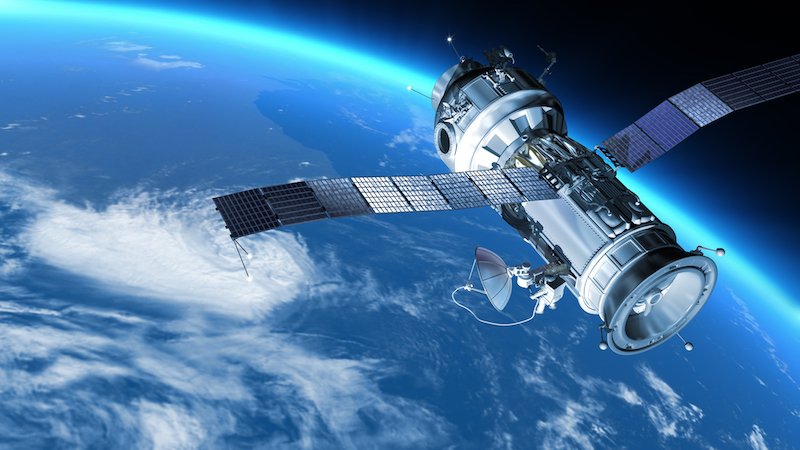
Introduction to Space Traffic Challenges
Imagine a highway where cars zoom by without traffic lights, road signs, or even lanes. Now picture that highway in space, with satellites, spacecraft, and debris hurtling at thousands of miles per hour. That’s the reality of our increasingly crowded orbits, where the risk of collisions is no longer science fiction but a pressing concern. As humanity’s presence in space grows, so does the need for innovative solutions to manage this cosmic traffic jam.
Why Space Traffic is Becoming a Problem
The Explosion of Space Activity
The skies above Earth are busier than ever. With private companies like SpaceX and nations like China launching satellites at an unprecedented rate, low Earth orbit (LEO) is packed. Over 27,000 objects are currently tracked in orbit, and that’s just the ones large enough to monitor. Smaller debris, like flecks of paint or tiny screws, can still cause catastrophic damage at high speeds.
The Kessler Syndrome Threat
Named after NASA scientist Donald Kessler, this scenario predicts a domino effect of collisions creating more debris, which then causes more collisions. A single crash could render entire orbital regions unusable for decades. The 2009 collision between a defunct Russian satellite and an active Iridium satellite created over 2,000 pieces of debris, proving this isn’t just a theory.
The Scale of the Space Traffic Problem
How Many Objects Are in Orbit?
The numbers are staggering. According to the European Space Agency (ESA), there are approximately:
- Active Satellites: ~8,000
- Defunct Satellites: ~3,000
- Debris Pieces: Over 36,000 objects larger than 10 cm, and millions smaller
- Total Tracked Objects: ~27,000, with untracked fragments posing additional risks
Comparing Orbital Congestion to Earth Traffic
| Aspect | Earth Traffic | Space Traffic |
|---|---|---|
| Regulation | Traffic lights, signs, laws | Limited international guidelines |
| Speed | Up to 70 mph | Up to 17,500 mph |
| Collision Impact | Fender benders to fatal crashes | Catastrophic, debris-generating |
| Monitoring | Radar, cameras, police | Ground-based radar, limited coverage |
Space lacks the structured rules we take for granted on Earth, making coordination critical yet challenging.
Who’s Responsible for Space Traffic Management?
International Efforts and Gaps
No single entity governs space. The United Nations’ Outer Space Treaty (1967) sets broad principles, like peaceful use, but lacks specifics on traffic management. Organizations like the Inter-Agency Space Debris Coordination Committee (IADC) offer non-binding guidelines, but compliance is voluntary. Joan Johnson-Freese, a space policy expert, likens this to maritime rules where nations agreed on soft laws to avoid ship collisions, suggesting a similar model could work in space.
The Role of National Space Agencies
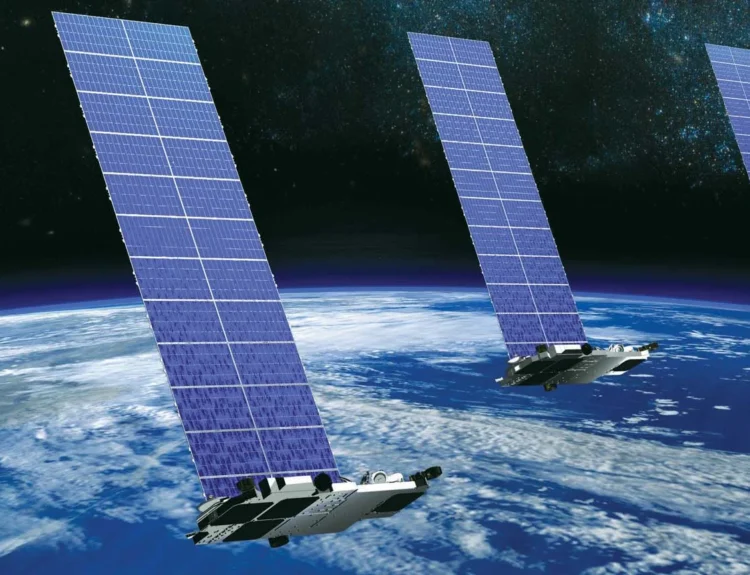
NASA, ESA, and others track objects through systems like the U.S. Space Surveillance Network. However, these agencies can’t enforce rules. Private companies, which now launch more satellites than governments, complicate things further. SpaceX’s Starlink constellation alone plans for 42,000 satellites, dwarfing traditional government fleets.
The Risks of Unmanaged Space Traffic
Satellite Collisions
In 2021, a near-miss between a Starlink satellite and a Chinese space station underscored the stakes. A collision could disrupt critical services like GPS, weather forecasting, or internet connectivity. Imagine losing your phone’s navigation mid-road trip—now scale that to global communication networks.
Debris Dangers
Debris travels at speeds that make even a centimeter-sized fragment deadly. The International Space Station (ISS) has had to maneuver dozens of times to avoid debris. Each dodge burns fuel, shortening the ISS’s operational life. Smaller satellites often lack such maneuverability, increasing collision risks.
Current Solutions for Space Traffic Management
Tracking and Monitoring Systems
Ground-based radar and telescopes track larger objects, while companies like LeoLabs develop advanced systems to monitor smaller debris. These systems provide collision warnings, but their coverage is incomplete, especially for tiny fragments. Imagine trying to drive in a city where only half the cars are visible—that’s the challenge.
Satellite Maneuverability
Modern satellites are increasingly equipped with propulsion systems to avoid collisions. However, this isn’t universal. Older or defunct satellites drift aimlessly, like abandoned cars on a highway. Retrofitting them isn’t feasible, so new designs prioritize end-of-life disposal plans.
Emerging Technologies to Ease Space Congestion
AI and Machine Learning for Collision Prediction
Artificial intelligence is revolutionizing space traffic management. AI algorithms analyze vast datasets to predict collision risks with greater accuracy. For example, LeoLabs’ AI-driven platform can forecast potential collisions days in advance, giving operators time to act. It’s like a GPS app rerouting you around a traffic jam before you’re stuck.
Autonomous Satellite Navigation
Some companies are developing “smart” satellites that autonomously adjust their orbits to avoid hazards. Think of self-driving cars, but in space. These systems reduce reliance on ground-based commands, which can be delayed by communication lags.
Pros and Cons of Current Space Traffic Solutions
Pros
- Improved Tracking: Advanced radar and AI enhance collision predictions.
- International Cooperation: Non-binding guidelines foster some coordination.
- Private Sector Innovation: Companies like SpaceX drive technological advancements.
Cons
- Lack of Enforcement: No global authority can mandate compliance.
- Costly Solutions: Retrofitting satellites or developing new tech is expensive.
- Incomplete Data: Small debris remains hard to track, posing ongoing risks.
The Role of Policy in Space Traffic Management
Soft Laws vs. Binding Treaties
Johnson-Freese argues that non-binding “soft laws,” like those used in maritime navigation, could be a practical first step. These guidelines encourage cooperation on logistical issues, like collision avoidance, without the political hurdles of a binding treaty. Nations are more likely to agree on practical measures than contentious issues like space weaponization.
Private Sector Accountability
With private companies dominating launches, policies must hold them accountable. SpaceX, for instance, has pledged to deorbit Starlink satellites at the end of their lives, but enforcement is tricky. Governments could require debris mitigation plans as a condition for launch licenses.
Real-World Examples of Space Traffic Incidents
The 2009 Iridium-Cosmos Collision
In February 2009, a defunct Russian Cosmos satellite slammed into an active Iridium satellite at 26,000 mph, creating a debris cloud that still threatens other spacecraft. This incident was a wake-up call, highlighting the need for better tracking and coordination. I remember reading about it as a student, stunned that space could feel so chaotic.
Starlink Near-Misses
In 2021, a Starlink satellite came within 60 meters of a OneWeb satellite. Operators scrambled to coordinate, but the incident exposed gaps in communication protocols. It’s like two cars swerving at the last second on a dark road—no one wants to rely on luck.
How to Navigate Space Traffic: Practical Steps
For Satellite Operators
- Adopt AI Tools: Use platforms like LeoLabs for real-time collision alerts.
- Design for Disposal: Build satellites with deorbiting capabilities to reduce debris.
- Share Data: Collaborate with competitors to share tracking information.
For Policymakers
- Develop Guidelines: Push for international soft laws on collision avoidance.
- Incentivize Compliance: Offer tax breaks or grants for debris mitigation tech.
- Standardize Protocols: Create universal communication standards for operators.
Best Tools for Space Traffic Management
Top Tools and Platforms
- LeoLabs: Offers AI-driven collision risk assessments and tracking for LEO objects.
- Astroscale: Develops debris removal technologies, like satellites that capture junk.
- Space Surveillance Network: U.S.-led system tracking over 27,000 objects in orbit.
Where to Access These Tools
- LeoLabs: Visit leolabs.space for subscription-based services.
- Astroscale: Explore astroscale.com for debris removal solutions.
- Space-Track.org: Provides free access to basic orbital data from the U.S. government.
The Future of Space Traffic Management
Debris Removal Technologies
Companies like Astroscale are pioneering satellites that can grab debris and drag it into Earth’s atmosphere to burn up. Japan’s JAXA is testing similar tech. These are like cosmic cleanup crews, but scaling them to handle millions of fragments is a massive challenge.
Orbital Traffic Rules
Imagine a future where orbits have designated “lanes” for satellites, enforced by an international body. It sounds far-fetched, but discussions at the UN suggest this could be a reality by 2050. Until then, voluntary cooperation is our best bet.
People Also Ask (PAA) Section
What is space traffic management?
Space traffic management involves tracking, coordinating, and regulating objects in orbit to prevent collisions and manage debris. It includes monitoring satellites and debris, predicting risks, and establishing guidelines for safe operations.
How many satellites are in orbit?
As of 2025, approximately 8,000 active satellites and 3,000 defunct ones are in orbit, along with over 36,000 trackable debris pieces and millions of smaller fragments, according to ESA data.
Why is space debris a problem?
Space debris travels at high speeds, posing collision risks that can damage satellites or create more debris. This threatens critical services like GPS and could trigger Kessler Syndrome, making orbits unusable.
How can we reduce space debris?
Solutions include designing satellites to deorbit naturally, using AI for collision prediction, and developing debris removal tech like Astroscale’s capture systems. International cooperation on guidelines also helps.
FAQ Section
What causes space traffic jams?
The rapid increase in satellite launches, especially by private companies, and the accumulation of debris from past missions create congestion in orbits, particularly in low Earth orbit.
Who regulates space traffic?
No single entity regulates space traffic. The UN’s Outer Space Treaty provides broad principles, but organizations like the IADC and national agencies offer non-binding guidelines.
Can AI prevent space collisions?
AI can predict collision risks by analyzing orbital data, as seen with tools like LeoLabs. However, it’s not foolproof, as small debris remains hard to track.
What happens if satellites collide?
Collisions create debris clouds that can endanger other spacecraft, disrupt services like GPS, and potentially trigger a cascade of further collisions (Kessler Syndrome).
How can private companies help?
Companies can design satellites with deorbiting capabilities, share tracking data, and invest in debris removal technologies to reduce risks and improve coordination.
Conclusion: Charting a Path Through the Cosmic Highway
Space traffic jams may sound like a sci-fi plot, but they’re a real and growing challenge. With thousands of satellites and millions of debris pieces crowding our orbits, the risk of collisions threatens everything from your GPS to global communications. By combining advanced technologies like AI and debris removal with international cooperation, we can keep space accessible for future generations. It’s like learning to drive in a new city—challenging, but with the right tools and rules, entirely manageable. Let’s ensure the final frontier doesn’t become a cosmic junkyard.