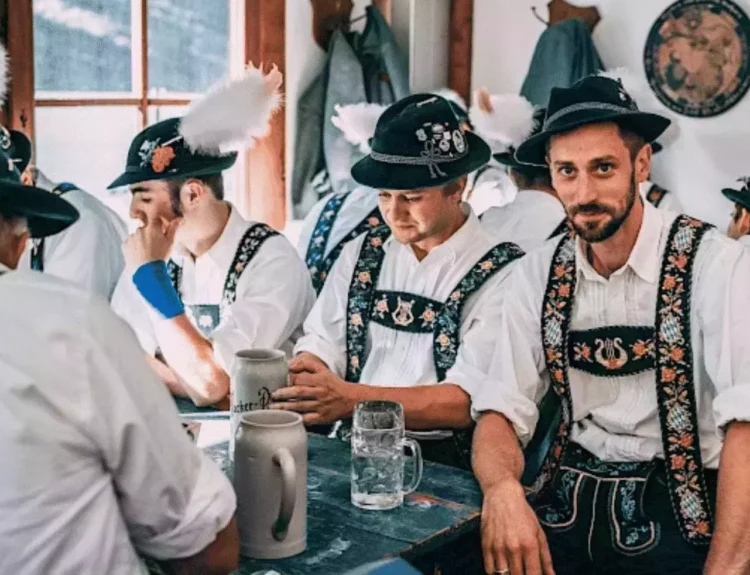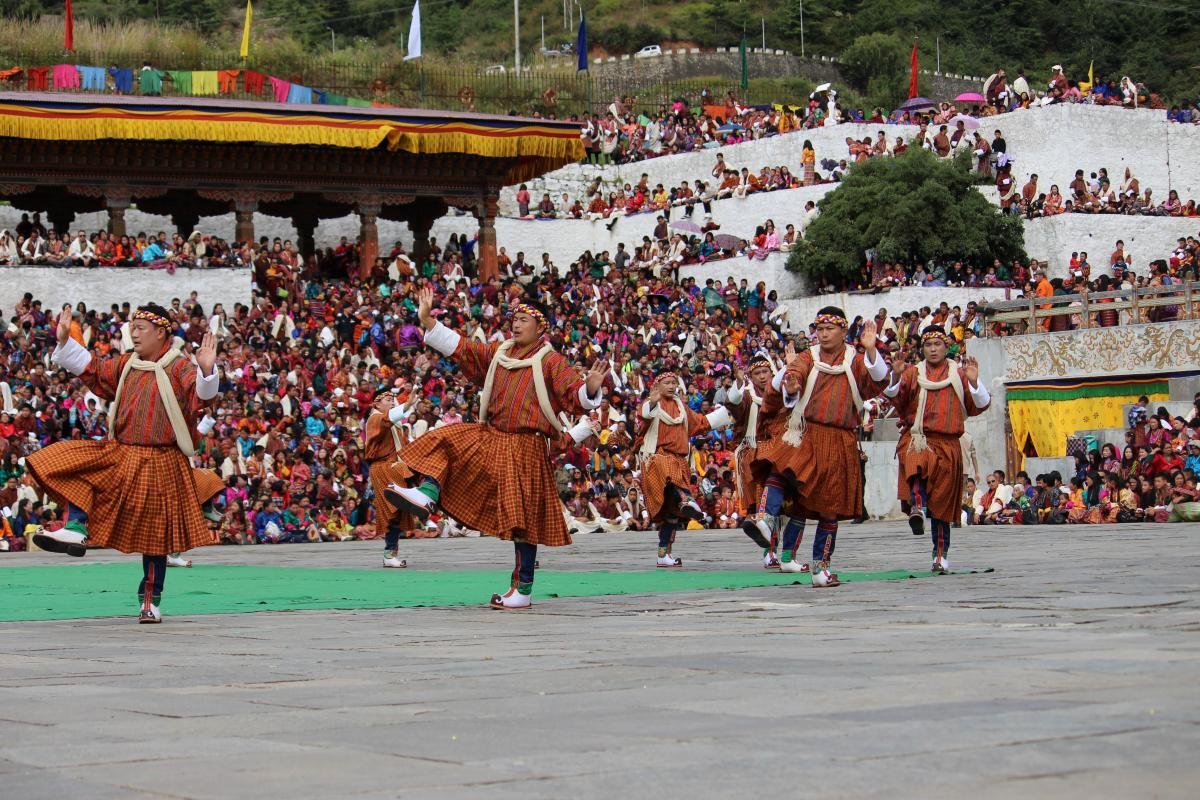
Imagine standing in the heart of Chiang Mai during the Yi Peng Lantern Festival, thousands of glowing lanterns floating into the night sky, each carrying a wish. The air hums with the soft chants of monks, the aroma of street food, and the warmth of locals welcoming you to their tradition. This isn’t just travel—it’s a cultural journey that stitches you into the fabric of a place. Cultural journeys are more than vacations; they’re immersive experiences that connect adventurers to the soul of a destination. In 2025, with travelers craving authentic, meaningful experiences, cultural journeys are no longer optional—they’re essential for every adventurer’s map.
What Are Cultural Journeys?
Defining the Cultural Adventure
Cultural journeys go beyond sightseeing. They involve diving deep into a destination’s traditions, history, and people—think participating in a Moroccan tea ceremony or learning to weave with Indigenous artisans in Peru. These experiences prioritize connection over checklists, offering a window into what makes a place unique. A 2024 Euromonitor report notes that cultural explorers are reshaping tourism by seeking authenticity and personal enrichment.
Why They Matter in 2025
Travel trends show a shift toward meaningful exploration. Skyscanner’s 2025 survey found 54% of travelers prioritize culture over attractions, with 48% chasing food experiences and 42% seeking music or festivals. Cultural journeys align with this demand for immersive, soul-stirring adventures. They’re not just trips—they’re stories you live and carry home.
The Benefits of Cultural Journeys
Personal Growth Through Cultural Immersion
Cultural journeys stretch your perspective. When I joined a traditional dance workshop in Bali, I didn’t just learn steps—I felt the rhythm of a community’s history. Engaging with locals fosters empathy and challenges assumptions, making you a more open-minded adventurer. Studies show immersive travel boosts confidence and cultural awareness, especially for younger travelers like Gen Z.
Building Lifelong Connections
There’s magic in sharing a meal with a family in a Tuscan village or swapping stories with artisans in Marrakech. These interactions create bonds that outlast the trip. Group travel, increasingly popular in 2025, amplifies this—Rustic Pathways notes a rise in high school and family group trips fostering community ties. These connections turn strangers into lifelong friends.
Supporting Local Communities
Your participation in cultural journeys directly supports local economies. Buying handmade crafts or joining a guided village tour funnels money to artisans and small businesses. The Lemongrass Travel Trend Report highlights how community-driven projects, like agri-tourism, thrive when travelers engage authentically, preserving heritage and boosting livelihoods.
A Path to Sustainable Travel
Cultural journeys align with the growing demand for eco-conscious travel. By focusing on local traditions and low-impact activities, you reduce your environmental footprint. For example, choosing a homestay over a resort or joining a cultural preservation project minimizes resource strain while enriching your experience. Sustainability is a top priority for 2025 travelers, per Hilton’s Trends Report.
Top Cultural Destinations for 2025
Armenia: Europe’s Hidden Gem
Armenia, with its ancient monasteries and vibrant markets, is a breakout star for 2025. Tourism surged 70% in 2023, and the momentum continues with festivals showcasing its rich heritage. Visit Yerevan’s Vernissage market for handmade crafts or explore the UNESCO-listed Geghard Monastery for a spiritual connection.
Chiang Mai: Lanna Heritage Hub
Celebrating its 730th anniversary in 2025, Chiang Mai blends ancient Lanna culture with modern vibrancy. From the Yi Peng Lantern Festival to cooking classes at local farms, it’s a haven for cultural explorers. Don’t miss Wat Phra That Doi Suthep for a blend of spirituality and stunning views.
Jordan Trail: Adventure Meets History
The Jordan Trail, a 400-mile trek from Um Qais to Aqaba, is gaining traction with a 35% increase in searches. Its 10th anniversary in 2025 brings special hiking events through Petra and Wadi Rum, blending adventure with cultural immersion. Local Bedouin guides share stories that bring the trail to life.
Cape Town: A Tapestry of Cultures
Cape Town’s Muslim heritage shines through Halal-certified experiences like the Aquila Private Game Reserve. Its vibrant markets and historical tours offer a blend of African, Dutch, and Malay influences, perfect for travelers seeking diverse cultural narratives.
Comparing Cultural Journeys vs. Traditional Travel
| Aspect | Cultural Journeys | Traditional Travel |
|---|---|---|
| Focus | Immersion in local culture, traditions, people | Sightseeing, popular attractions |
| Experience | Hands-on activities, community engagement | Pre-planned tours, landmark visits |
| Impact | Supports local economies, sustainable | Often commercial, higher environmental impact |
| Memories | Personal connections, transformative stories | Photos, checklists of famous sites |
| Cost | Varies, often budget-friendly with homestays | Can be pricier with hotels and guided tours |
Why Cultural Journeys Win
Cultural journeys offer depth over breadth. While traditional travel might check off the Eiffel Tower, a cultural journey teaches you to bake baguettes with a Parisian baker. The table above shows how cultural journeys prioritize meaningful, sustainable experiences, making them ideal for adventurers seeking more than Instagram shots.
Pros and Cons of Cultural Journeys
Pros
- Authentic Experiences: Learn traditions firsthand, like crafting pottery in Japan.
- Personal Enrichment: Gain new skills and perspectives that last a lifetime.
- Community Support: Your spending directly benefits local artisans and guides.
- Sustainable Travel: Lower environmental impact through eco-conscious choices.
- Memorable Stories: Create unique narratives, like dancing at a Moroccan wedding.
Cons
- Time-Intensive: Requires more planning and engagement than a quick city tour.
- Cultural Sensitivity: Missteps can offend locals if you’re not mindful.
- Limited Accessibility: Remote destinations may lack modern amenities.
Balancing the Trade-Offs
The pros far outweigh the cons for adventurers willing to invest time and respect. Researching cultural norms—like bowing etiquette in Japan—mitigates sensitivity issues. Plus, the reward of a deeper connection makes the effort worthwhile.
How to Plan Your Cultural Journey
Step 1: Research Authentic Experiences
Start by identifying destinations with rich cultural offerings. Use platforms like Tripadvisor for reviews on local festivals or workshops. For example, search “authentic cooking classes in Oaxaca” to find hands-on experiences. Google’s Keyword Planner shows rising interest in queries like “cultural immersion travel 2025.”
Step 2: Connect with Local Operators
Book through local tour operators or community-based platforms like Rustic Pathways for teen programs or Vessy Travel for bespoke adventures. These ensure your money supports locals and provides authentic experiences, like stargazing with Bedouins in Jordan.
Step 3: Pack with Respect
Respect cultural norms by packing appropriately—modest clothing for temple visits in Thailand or sturdy shoes for the Jordan Trail. Research local customs to avoid faux pas, like pointing feet at people in Buddhist cultures. A quick Google search on “cultural etiquette in [destination]” is invaluable.
Step 4: Engage and Reflect
Participate fully—ask questions, share stories, and journal your experiences. Reflecting on what you learn, like the history behind a Maasai beadwork session, deepens the journey’s impact. Apps like Evernote can help you document these moments.
Tools and Resources for Cultural Journeys
Best Tools for Planning
- Google Travel: Find trending cultural destinations and events.
- Tripadvisor Forums: Connect with travelers for insider tips on authentic experiences.
- HomeToGo: Book homestays for immersive stays with locals.
- Skyscanner: Compare flights to cultural hotspots like Armenia or Chiang Mai.
Where to Find Cultural Experiences
- Rustic Pathways: Offers teen-focused cultural programs in Mongolia and Peru.
- Vessy Travel: Curates personalized adventures, like nocturnal wildlife safaris.
- Halal Travel Network: Specializes in culturally sensitive trips for Muslim travelers.
- Local Tourism Boards: Websites like Visit Jordan or Armenia Travel provide festival schedules and local guides.
Transactional Tip: Booking Platforms
For seamless bookings, use platforms like Booking.com for culturally focused accommodations or Viator for guided cultural tours. These platforms often feature reviews highlighting authenticity, ensuring you choose experiences that align with your adventurer’s spirit.
People Also Ask (PAA) Section
What is a cultural journey in travel?
A cultural journey involves immersive experiences that connect travelers with a destination’s traditions, people, and heritage. Think cooking with locals in Italy or joining a lantern festival in Thailand. It’s about living the culture, not just observing it.
Why is cultural tourism important?
Cultural tourism fosters understanding, supports local economies, and preserves heritage. It allows travelers to grow personally while contributing to sustainable travel. In 2025, 54% of travelers prioritize culture, per Skyscanner, showing its rising value.
How do I find authentic cultural experiences?
Research through platforms like Tripadvisor, connect with local operators via Rustic Pathways, or check tourism board websites. Look for reviews emphasizing hands-on activities, like weaving workshops or village tours, to ensure authenticity.
What are the best destinations for cultural travel in 2025?
Armenia, Chiang Mai, the Jordan Trail, and Cape Town top the list for 2025, offering festivals, historical sites, and community engagement. Each blends adventure with deep cultural immersion, per recent travel trend reports.
FAQ Section
How do cultural journeys differ from regular vacations?
Cultural journeys prioritize immersion—think learning a traditional dance or joining a local festival—while regular vacations focus on sightseeing or relaxation. They’re about connection, not just consumption, offering deeper, more meaningful experiences.
Are cultural journeys expensive?
Not necessarily. Homestays, local markets, and community tours are often budget-friendly compared to luxury resorts. For example, a cooking class in Chiang Mai can cost $20–$50, while supporting local families.
How can I respect local cultures while traveling?
Research customs beforehand, like dress codes or greeting etiquette. Engage respectfully—ask permission before taking photos and listen to local guides. A little humility goes a long way in earning respect.
What if I’m traveling solo?
Solo cultural journeys are thriving in 2025, with 69% of travelers planning solo trips, per American Express. Join group activities like cultural workshops or use platforms like Vessy Travel to connect with locals safely.
Can cultural journeys be eco-friendly?
Absolutely. Choosing homestays, supporting local artisans, or joining preservation projects reduces your environmental impact. The Lemongrass Travel Trend Report notes that cultural travelers often prioritize sustainability, aligning with eco-conscious trends.
SEO Strategies for Cultural Journey Content
Optimizing for Search Intent
To rank high in 2025, align content with the traveler’s journey: dreaming, planning, booking, and experiencing. Use long-tail keywords like “authentic cultural experiences in Armenia 2025” or “Chiang Mai lantern festival guide.” Semantic keywords like “local traditions,” “cultural immersion,” or “sustainable travel” boost relevance.
Featured Snippet Optimization
Structure content for snippets by answering questions directly. For example, under “What is a cultural journey?” provide a concise, 40–60-word definition. Use bullet points, tables, and numbered lists for quick answers, like the destination comparison table above, to increase snippet chances.
Internal and External Links
Link internally to related content, like a blog on “Top 10 Cultural Festivals in 2025” or a guide to sustainable travel. Externally, link to trusted sources like Skyscanner for flight comparisons or Tripadvisor for reviews. These enhance authority and user experience.
A Personal Reflection: Why Cultural Journeys Changed Me
Last year, I joined a Maasai community in Kenya for a beadwork workshop. Sitting in a circle, listening to elders share stories of their ancestors, I felt a connection that no museum could replicate. The beads weren’t just crafts—they were history, pride, and survival. That day taught me more about resilience than any book. Cultural journeys don’t just show you the world; they show you yourself. They’re the stories you’ll tell for years, the moments that make you laugh, cry, and grow.
Conclusion: Map Your Cultural Adventure Today
Cultural journeys belong on every adventurer’s map because they offer more than a trip—they offer transformation. From Armenia’s ancient monasteries to Chiang Mai’s lantern-lit skies, these experiences weave you into the world’s tapestry. In 2025, as travelers seek authenticity and connection, cultural journeys are the path to unforgettable adventures. So, grab your map, book that local-led tour, and step into a story that’s waiting for you.